Scarlet Diva
There's a certain kind of film that doesn't just flicker on the screen; it feels like it bleeds. Scarlet Diva, Asia Argento's 2000 directorial debut, is precisely that kind of film. Released right at the cusp of the new millennium, it bypassed the usual 80s/90s fare we often celebrate here at VHS Heaven, yet it possesses a raw, almost punk-rock energy that feels spiritually connected to the grittier indie tapes that lined the shelves of the more adventurous video stores back in the day. Watching it now feels like unearthing a time capsule – not one filled with comfortable nostalgia, but with the jagged edges of a specific moment, captured with unflinching, almost uncomfortable honesty.
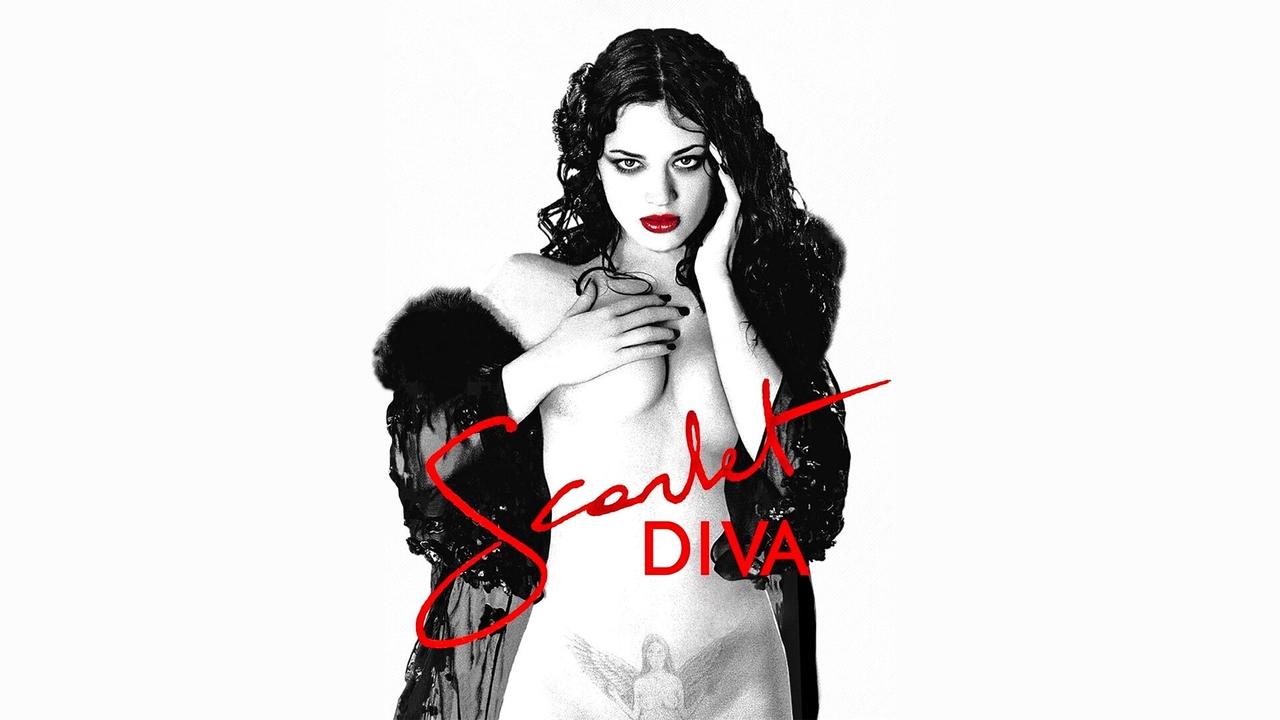
A Portrait Painted in Bruises
The film plunges us into the chaotic world of Anna Battista (Asia Argento herself, writing, directing, and starring in a move of staggering vulnerability). Anna is a young Italian actress navigating the treacherous landscapes of international filmmaking, fame, addiction, and predatory figures. There isn't so much a plot as a series of visceral episodes – encounters with lecherous producers, drug-fueled escapades, moments of artistic yearning, desperate searches for connection, and the overwhelming weight of expectation. It's semi-autobiographical, and Argento makes no attempt to soften the blows or pretty up the picture. The film feels less constructed and more excavated, pulled directly from personal experience and psychic wounds.
What strikes you immediately is the aesthetic. Shot primarily on digital video, Scarlet Diva has that distinct early DV look – sometimes grainy, sometimes overly saturated, lacking the polish of film but gaining an immediacy, a rawness that perfectly mirrors Anna's (and Argento's) exposed nerve. It feels urgent, confessional, like a visual diary entry scrawled in haste. This wasn't a choice born solely of artistic preference; Argento famously self-funded a significant portion of the film, pouring her own resources into getting this fiercely personal story told, lending the production itself an air of defiant independence.

Argento Laid Bare
At the heart of Scarlet Diva is Asia Argento's performance, and it's impossible to overstate its power and bravery. Playing a character so clearly intertwined with her own life, she delivers something that transcends typical acting. It's a raw, fearless immersion into Anna's turmoil. There are moments of fragility that are genuinely heartbreaking, moments of defiance that feel hard-won, and descents into self-destruction that are difficult to watch precisely because they feel so terribly real. The line between performer and person feels deliberately, almost dangerously, blurred. Is this acting, or is it a form of exorcism? The question hangs heavy over the entire film. It's not always a 'polished' performance in the traditional sense, but its authenticity – its willingness to be ugly, messy, and contradictory – is undeniable and deeply affecting.
Ghosts in the Machine

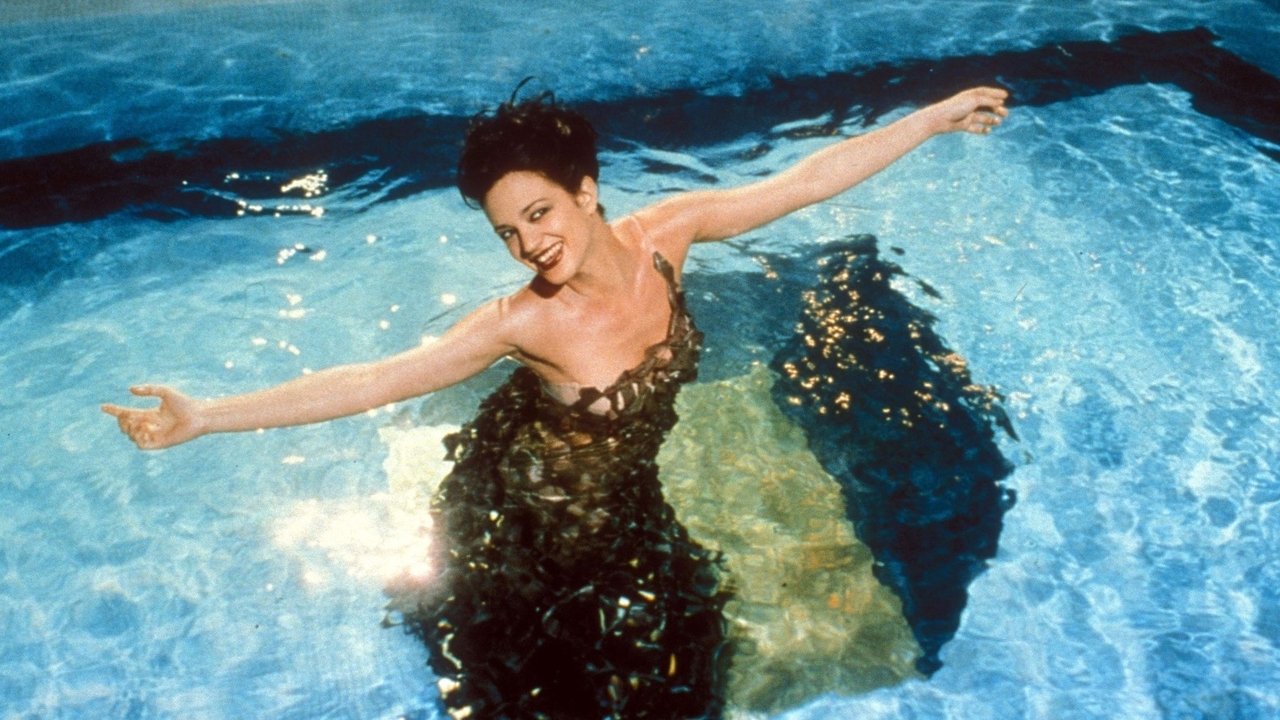
The film is populated by figures orbiting Anna's chaotic star. We see glimpses of her complex relationship with her own mother, played with poignant resonance by Argento's actual mother, the late Daria Nicolodi, herself an icon of Italian cinema often associated with Asia's father, the legendary horror maestro Dario Argento (Deep Red, Suspiria). This casting adds another layer of meta-textual weight, blurring family history with fictional narrative.
And then there's the scene. Long before the #MeToo movement brought such stories into the mainstream spotlight, Scarlet Diva included a deeply uncomfortable sequence depicting Anna's hotel room encounter with a powerful, predatory American producer. Years later, Argento identified this as a fictionalized portrayal of her alleged assault by Harvey Weinstein. Watching it now carries an extra, chilling resonance. It's a stark reminder of the abuses of power that have long festered within the industry, captured here with a rawness that felt shocking then and feels depressingly prescient now. It’s a tough scene, integral to Anna’s narrative of exploitation, showcasing the grim reality behind the glamorous facade long before many were ready to listen.
An Unflinching Gaze
Scarlet Diva isn't an easy watch. It's fragmented, intense, and deliberately provocative. Some found it self-indulgent upon release, others hailed its courage. It doesn't offer easy answers or neat resolutions. Instead, it forces us to confront the often-brutal realities faced by women, particularly young women, in creative industries. It asks difficult questions about agency, survival, the cost of fame, and the struggle to maintain one's soul in a world eager to commodify it. Does the rawness sometimes tip into melodrama? Perhaps. Is the narrative always coherent? Not strictly. But its emotional honesty cuts through.
What lingers most after the credits roll is the film's sheer, unadulterated nerve. It’s the feeling of having witnessed something intensely personal, perhaps even therapeutic for its creator, captured on grainy digital tape. It’s a time capsule from the turn of the millennium, feeling both like a product of its specific indie moment and a harbinger of conversations that would erupt years later.
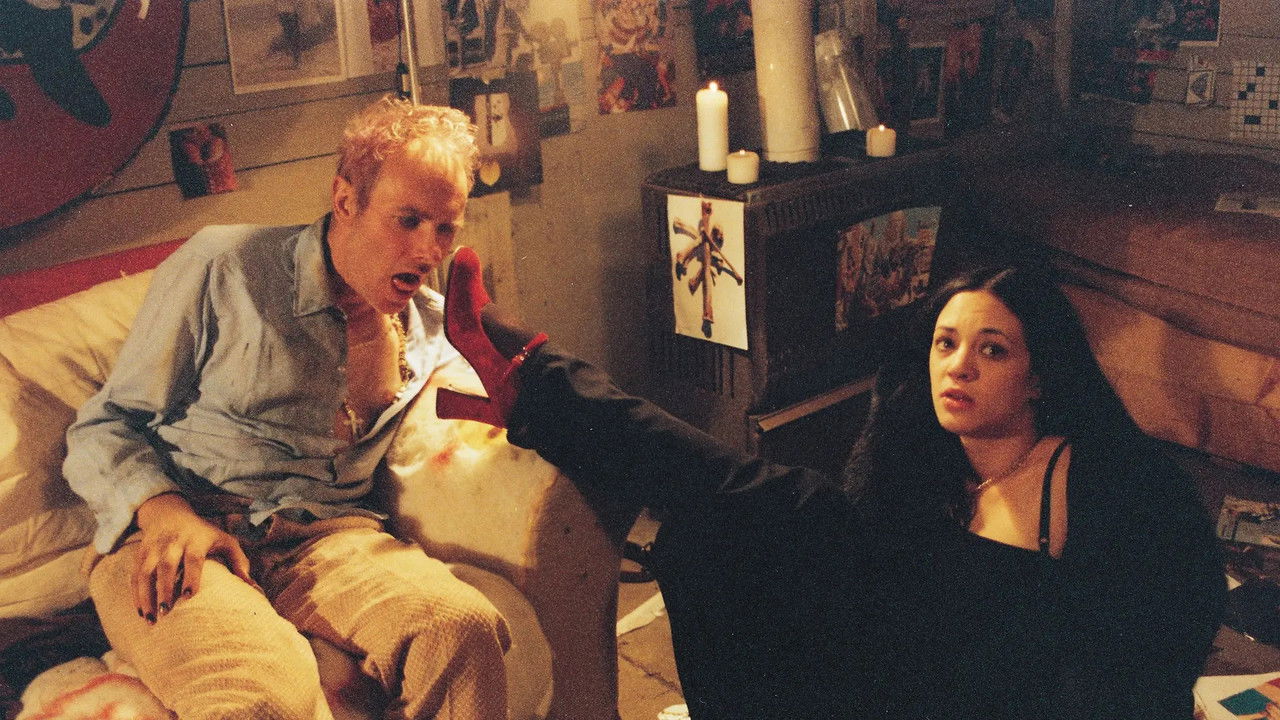
Rating: 7/10
Justification: Scarlet Diva earns a 7 for its undeniable raw power, Asia Argento's incredibly brave and revealing central performance, and its unflinching honesty. It's a significant piece of personal filmmaking, capturing a specific time and tackling difficult subjects head-on. However, its sometimes abrasive style, narrative fragmentation, and relentlessly bleak tone make it a challenging and not universally accessible watch, keeping it from higher marks reserved for more polished or broadly resonant films.
It’s a film that feels less like entertainment and more like bearing witness – a raw, messy, but vital scream captured on tape, echoing from the dawn of the 2000s.
You Might Also Enjoy
71 Fragments of a Chronology of Chance
1995
A Little Princess
1995
A Walk in the Clouds
1995
All Things Fair
1995
An Awfully Big Adventure
1995
Angus
1995
Antonia's Line
1995
Apollo 13
1995
Bandit Queen
1995
Before Sunrise
1995
Beyond Rangoon
1995
Beyond the Clouds
1995
Bombay
1995
Boys on the Side
1995