The Best Man's Wedding
(Assuming the film intended is the 2000 Swedish hit "Jalla! Jalla!", based on the director and cast provided)
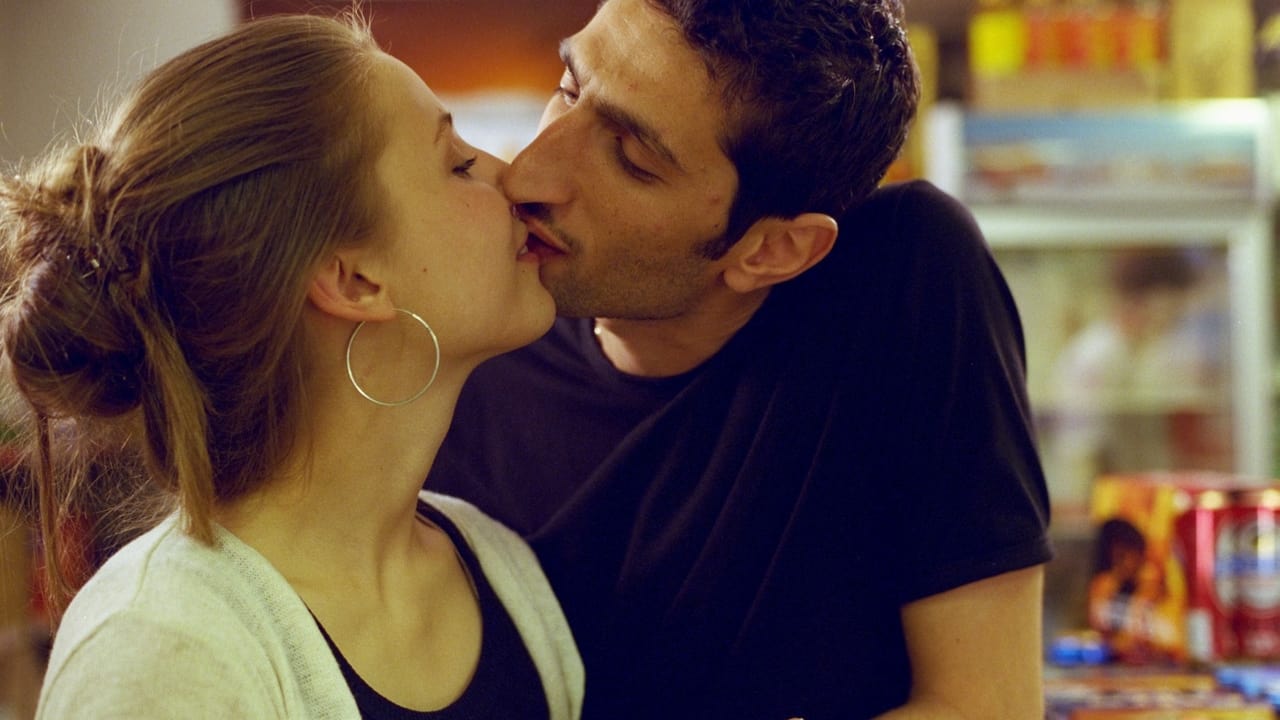
Sometimes, a film doesn't need explosions or sweeping orchestral scores to lodge itself firmly in your memory. Sometimes, all it takes is a raw, almost chaotic energy, a story brimming with recognisable human awkwardness, and characters who feel less like scripted creations and more like people you might actually know. Such is the case with Josef Fares's breakout debut, Jalla! Jalla! (2000), a film that arrived right at the cusp of a new millennium but carried the heartfelt, slightly rough-edged charm we often associate with the best indie discoveries found lurking in the "World Cinema" section of the video store.
A Culture Clash Comedy with Real Heart
The premise feels almost like a classic sitcom setup, yet Fares imbues it with a lived-in authenticity. We follow Roro (Fares Fares, the director's own brother, in a performance crackling with restless energy) and his best friend Måns (Torkel Petersson, hilariously hangdog and sympathetic). They work thankless jobs cleaning parks, navigating the mundane frustrations of young adulthood. But Roro's life is thrown into delightful turmoil when his Lebanese family decides it's high time he married Yasmin (Laleh Pourkarim), a young woman from their community he barely knows – despite the fact Roro is deeply in love with his Swedish girlfriend, Lisa (Tuva Novotny, bringing warmth and relatable confusion to the role). Complicating matters further is Måns's crippling impotence, a B-plot handled with surprising sensitivity beneath the expected comedic embarrassment.

What unfolds isn't just a series of wacky misunderstandings, though there are plenty of those. It's a genuinely touching exploration of trying to reconcile deeply ingrained cultural expectations with personal desires. Can Roro find a way to honour his family without sacrificing his own happiness? The film doesn't offer easy answers, finding humour and pathos in the messy reality of Roro's predicament. It’s this blend of laugh-out-loud situations – often stemming from Måns's increasingly desperate attempts to solve his "problem" – and moments of quiet emotional truth that elevates Jalla! Jalla! beyond simple farce.
The Power of Raw Authenticity
Watching it again now, decades removed from that initial viewing (likely on a slightly fuzzy VHS copy), what strikes me most is the film’s palpable energy. Josef Fares, fresh out of film school, directs with a loose, almost vérité style. The camera often feels handheld, plunging us right into the middle of chaotic family gatherings or intimate conversations. This wasn't a slick Hollywood production; according to interviews, it was shot relatively quickly and on a tight budget (reportedly around SEK 8 million, roughly $800k USD back then – a pittance even by indie standards). You can almost feel the guerilla spirit, the sense of a young filmmaker pouring all his passion and personal experience onto the screen.
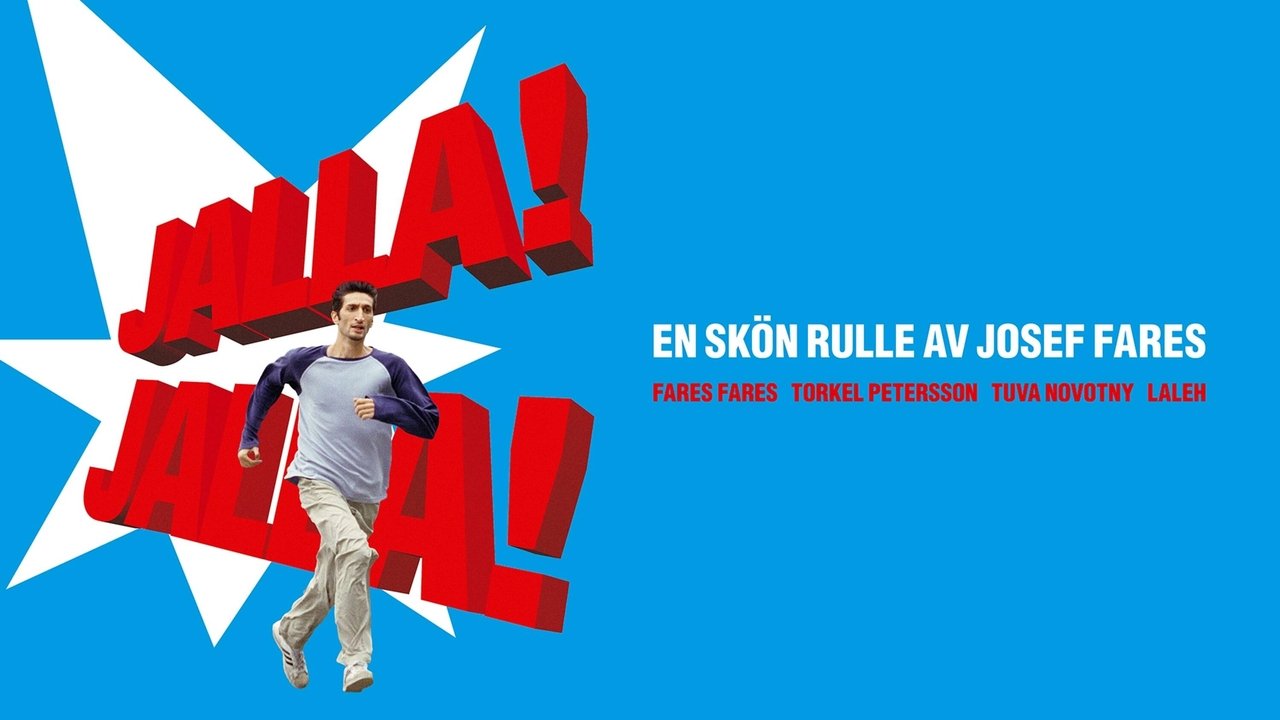
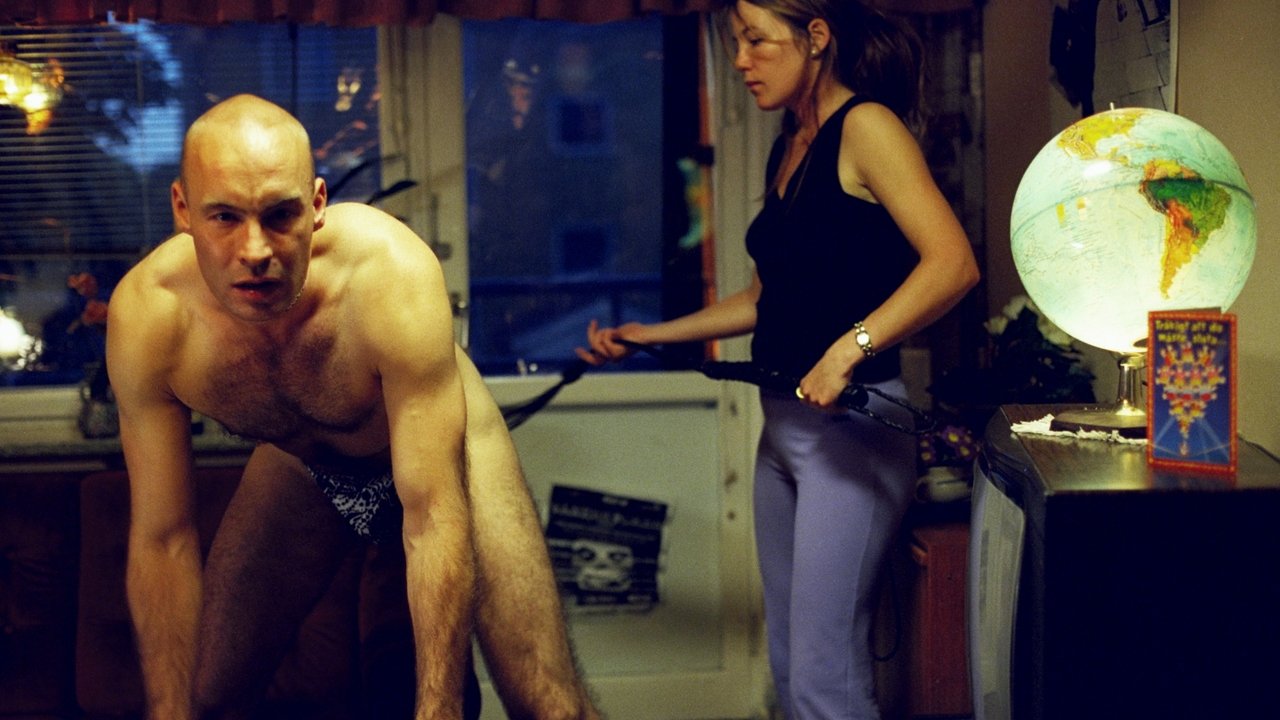
This low-budget feel becomes an asset. It strips away artifice, forcing a reliance on sharp writing and, crucially, convincing performances. Fares Fares is immensely likeable as Roro, perfectly capturing the bewilderment and frustration of being caught between two worlds. His chemistry with Torkel Petersson is the film's anchor – their friendship feels utterly genuine, a believable bond forged through shared anxieties and unwavering loyalty, even when discussing the most awkward of subjects. It’s a testament to the casting and direction that these relationships resonate so strongly. Trivia buffs might appreciate knowing Josef Fares specifically wrote the part of Måns for Petersson after seeing him in another play.
More Than Just Laughs
Beneath the surface comedy about arranged marriages and erectile dysfunction, Jalla! Jalla! asks some poignant questions. How do we navigate the demands of family and tradition in a multicultural world? What does it mean to be loyal – to your heritage, to your friends, to yourself? The film tackles these themes without sermonizing, allowing the characters' experiences to speak for themselves. There's a particular warmth in its portrayal of the immigrant experience, acknowledging the pressures but also the deep bonds of community, even when those bonds create Roro's central conflict.
It’s also interesting to remember the context. Released in 2000, just as DVD was starting its relentless march, Jalla! Jalla! still found its way onto VHS shelves internationally. It became a massive sleeper hit in Sweden, proving that audiences were hungry for stories that reflected their own diverse realities, told with humour and heart. It launched Josef Fares's career (he'd later direct films like Kopps (2003) before famously transitioning into acclaimed video game direction with titles like Brothers: A Tale of Two Sons and It Takes Two). Seeing his raw talent already evident here is a treat.
Final Thoughts
Jalla! Jalla! remains a delightful discovery, a film whose charm hasn't faded. It captures that turn-of-the-century indie spirit, proving that compelling stories often lie in the everyday struggles and triumphs, the cultural specificities that reveal universal truths about love, family, and finding your own way. It’s funny, touching, and refreshingly honest.
Rating: 8/10 - This score reflects the film's immense heart, brilliant comedic timing, surprisingly resonant themes, and the sheer accomplishment of crafting such a beloved hit on a minimal budget. While its production values are understandably modest, its impact and authentic charm more than compensate, making it a standout debut.
It leaves you not with grand pronouncements, but with a warm feeling and perhaps a knowing smile – remembering that sometimes the most complicated situations are best navigated with a loyal friend by your side, even if his advice involves questionable remedies. A true gem from the tail-end of the VHS era's reach.
You Might Also Enjoy
Antonia's Line
1995
Rendezvous in Paris
1995
Brassed Off
1996
Girl 6
1996
My Sex Life... or How I Got Into an Argument
1996
Shall We Dance?
1996
Twelfth Night
1996
Chasing Amy
1997
Ishq
1997
Life Is Beautiful
1997
Marius and Jeannette
1997
The Daytrippers
1997
How Stella Got Her Groove Back
1998
Music from Another Room
1998