The Gleaners and I
Okay, fellow travelers in time and tape, let’s pause our rewind buttons for a moment. Today, we’re bending the rules slightly at VHS Heaven. While our hearts often beat in sync with the neon glow of the 80s and the grunge-tinged static of the 90s, sometimes a film arrives just across the threshold of the new millennium that speaks directly to the spirit of discovery we cherish. Agnès Varda’s The Gleaners and I (2000) (Les glaneurs et la glaneuse) might not have been a staple on the shelves of Blockbuster next to the latest action hero, but its soul resonates with anyone who finds beauty in the overlooked, much like finding that rare gem in the dusty corner of a video store.
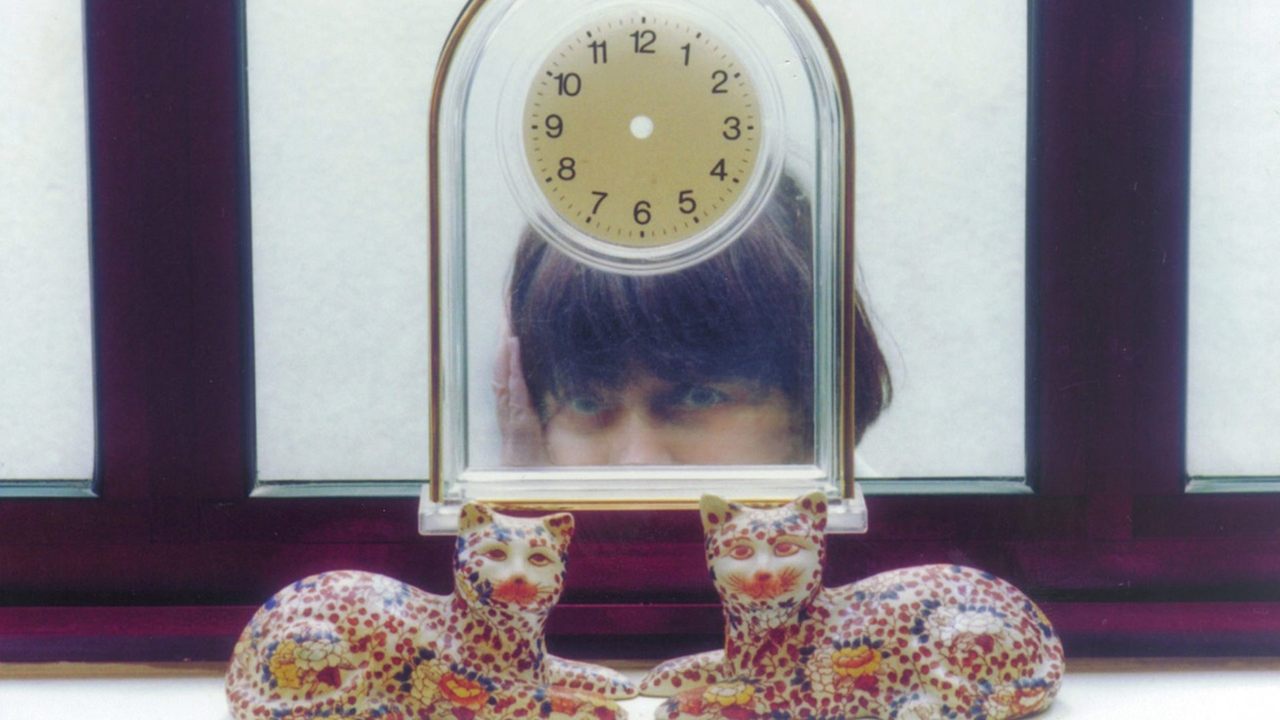
Finding Treasure in the Overlooked
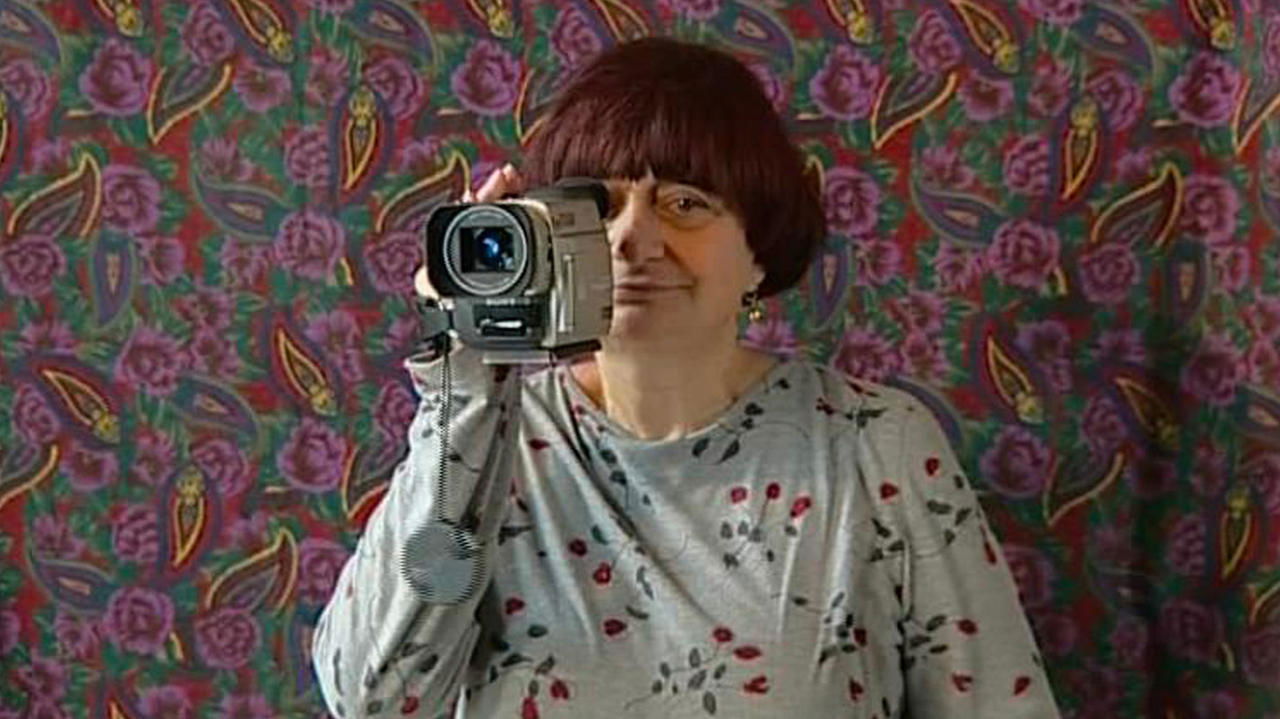
What does it mean to glean? Varda, a titan of the French New Wave whose career began long before our beloved VHS era (Cléo from 5 to 7 (1962) remains a landmark), picks up this ancient concept – the right to gather leftover crops after the harvest – and follows its thread into modern France. Armed with a new, lightweight digital camera (a novelty at the time that felt almost liberating in its portability compared to cumbersome film equipment), she becomes a gleaner herself. Not just of images and stories, but of insights into humanity. She finds people gleaning potatoes, scavenging in market refuse, pulling discarded appliances from rubbish heaps. But Varda expands the definition: artists are gleaners, repurposing discarded objects; filmmakers, like herself, glean moments, expressions, truths. Isn't that what we do, in a way, revisiting these older films, gleaning joy and meaning from celluloid past?
Varda's Handheld Heart
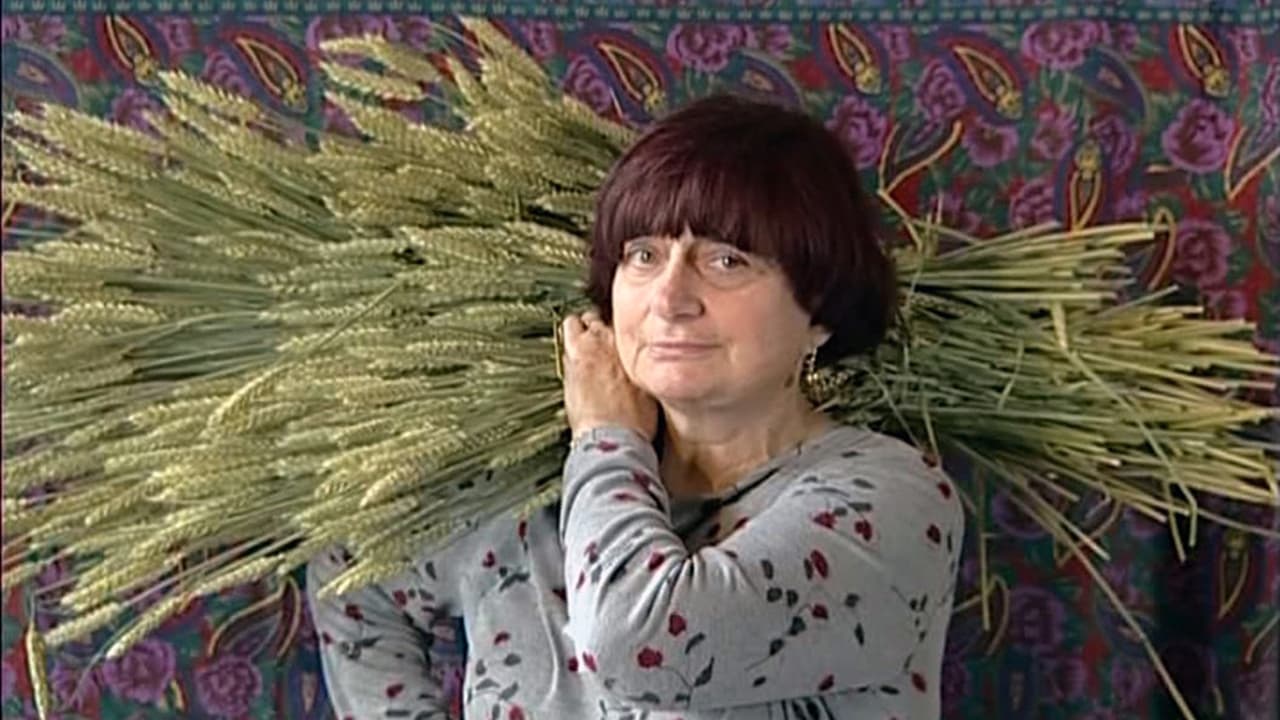
The film is utterly inseparable from Varda herself. She’s not an invisible observer behind the lens; she's right there with us, her curiosity infectious, her voice-over a warm, inquisitive guide. There's a profound moment where she focuses on her own aging hands, noticing the wrinkles, the liver spots. It's not morbid; it's reflective, a tender observation on time passing, mirroring the discarded objects and often marginalized people she encounters. This transition to digital video wasn't just a technical choice; it allowed for an intimacy and immediacy. Varda could react spontaneously, capturing fleeting moments – a heart-shaped potato, the defiant pride in a scavenger's eyes, her own accidental capture of the lens cap dangling (the famous "dance of the lens cap"). This felt revolutionary, a far cry from the often more staged feel of larger productions. Her presence is the film’s anchor, grounding the potentially disparate stories in a unified, deeply personal vision.
More Than Just Potatoes
Through Varda’s gentle lens, The Gleaners and I becomes a profound meditation on waste, consumerism, poverty, art, and the simple dignity of making do. She interviews judges, lawyers, and historians about the ancient laws of gleaning, contrasting it with the often harsh realities faced by modern gleaners navigating supermarket dumpsters and societal judgment. There's no preachiness here, just observation and empathy. We meet fascinating characters – a man who lives entirely off salvaged food and teaches others, artists creating sculptures from trash, a poignant figure surviving on the fringes. Each encounter feels authentic, unforced. Varda doesn't romanticize poverty, but she finds resilience, resourcefulness, and unexpected beauty. The film asks us, subtly, to consider what we discard, both materially and perhaps conceptually. What value do we overlook in our relentless pursuit of the new?
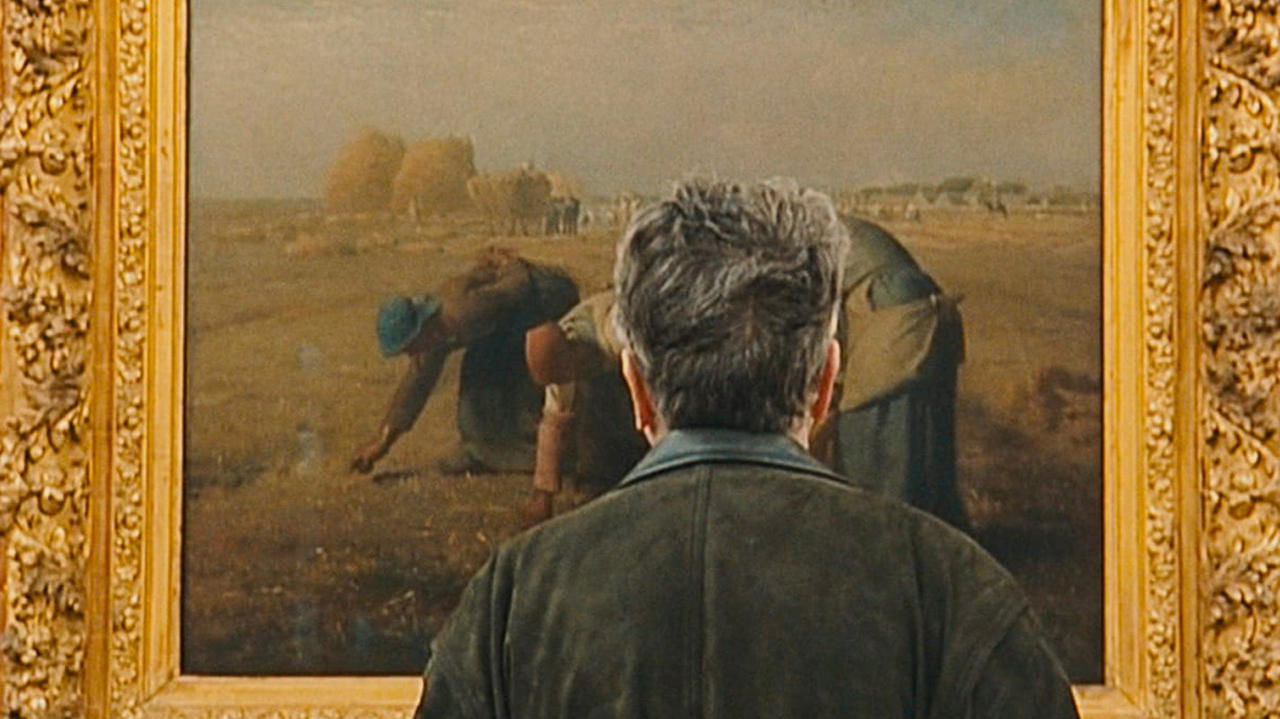
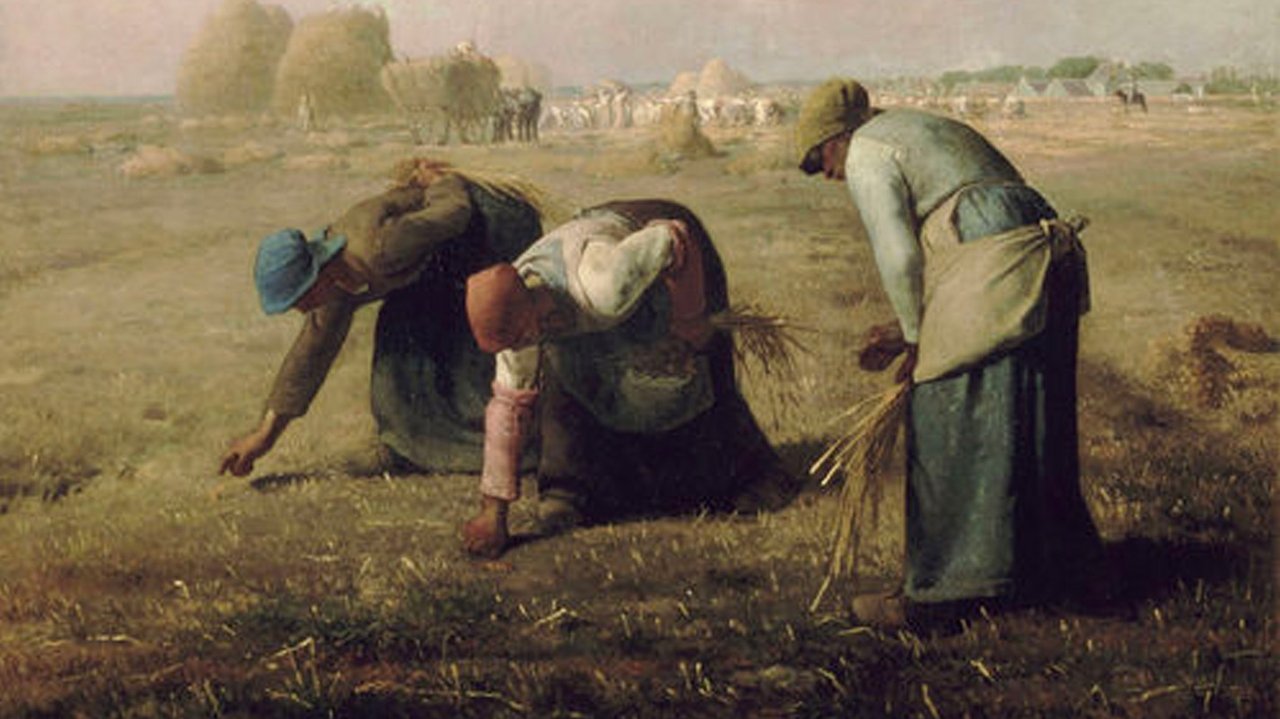
A Legacy Beyond the Tape
While The Gleaners and I arrived on DVD rather than VHS for most, its spirit feels aligned with the best kind of cinematic discovery. It’s a film made with passion, curiosity, and a deep love for the human condition, much like the independent gems or overlooked studio flicks we might have stumbled upon during a marathon video rental session. Varda, who sadly left us in 2019, remained a vital creative force throughout her life, and this film captures her essence perfectly – playful, intelligent, compassionate, and endlessly curious about the world and its inhabitants. It wasn't a box office smash in the traditional sense, but its impact on documentary filmmaking and its quiet power have ensured its enduring legacy. It reminds us that potent stories don't always need massive budgets or explosions; sometimes, all it takes is a keen eye, an open heart, and a willingness to look where others don't.
---
Rating: 9/10
This rating reflects the film's profound humanity, Agnès Varda's masterful and deeply personal directorial style, and its thought-provoking exploration of consumption, waste, and finding value in unexpected places. Its intimacy, achieved partly through the then-new digital technology, feels both innovative for its time and timeless in its connection. It loses a single point only in the context of pure "VHS Heaven" escapism – it demands reflection rather than providing genre thrills, but its quality and spirit earn its place as a cherished discovery.
Final Thought: The Gleaners and I lingers long after viewing, not just as a film, but as a gentle nudge to look closer at the world around us, perhaps finding our own treasures hidden in plain sight.
You Might Also Enjoy
Vagabond
1985
Kung-Fu Master!
1988
Jacquot
1991
Lumière & Company
1995
Trinity and Beyond: The Atomic Bomb Movie
1995
George Carlin: Back in Town
1996
Hype!
1996
Looking for Richard
1996
Microcosmos
1996
Paradise Lost: The Child Murders at Robin Hood Hills
1996
The Celluloid Closet
1996
When We Were Kings
1996
Little Dieter Needs to Fly
1997
The Big One
1997