Tigerland
It doesn't arrive with the explosive fanfare of its Vietnam War film brethren. There's no searing napalm drop, no operatic firefight set to classic rock. Instead, Tigerland (2000) opens with a humid, oppressive stillness, the kind that settles deep in your bones just before a storm breaks. It’s 1971, Fort Polk, Louisiana – the infamous final training ground before shipping out to 'Nam – and the film immediately immerses us not in combat, but in the simmering cauldron of fear, rebellion, and reluctant camaraderie among young men staring down the barrel of the inevitable. It’s a film that feels strangely intimate, almost like a half-remembered documentary discovered on a dusty shelf, a testament to a different kind of war story.
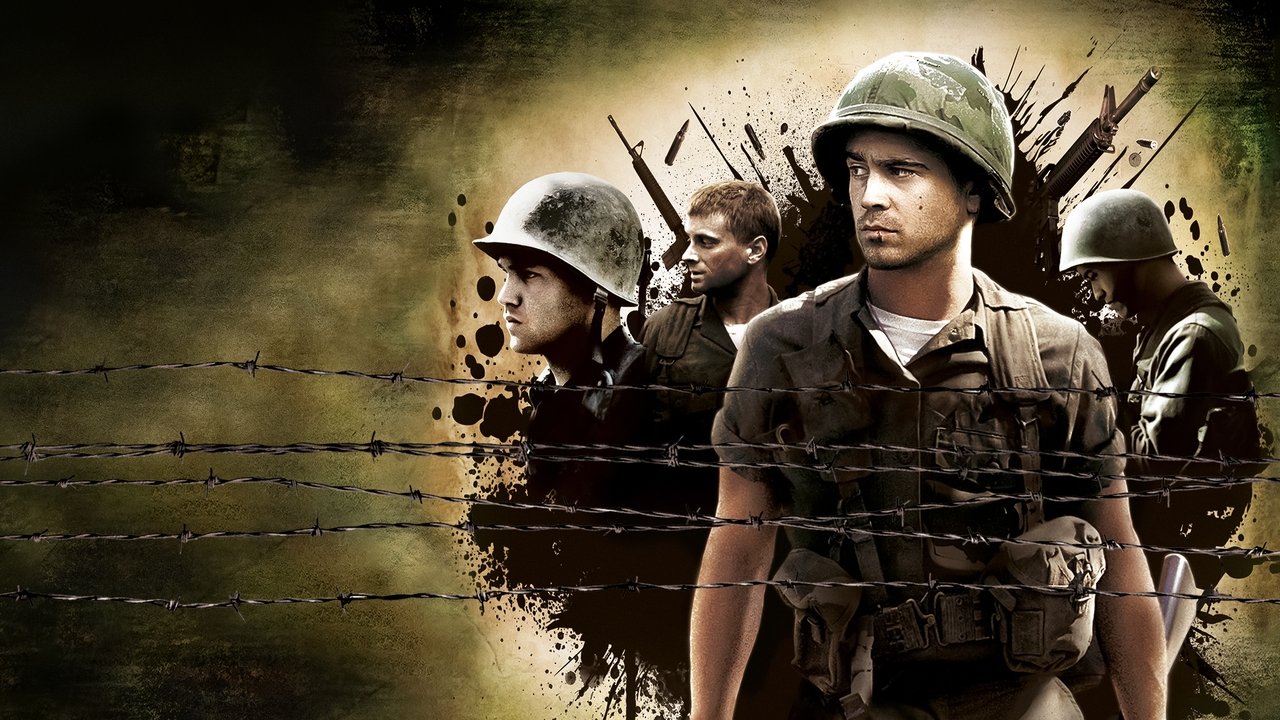
The Reluctant Prophet of Fort Polk
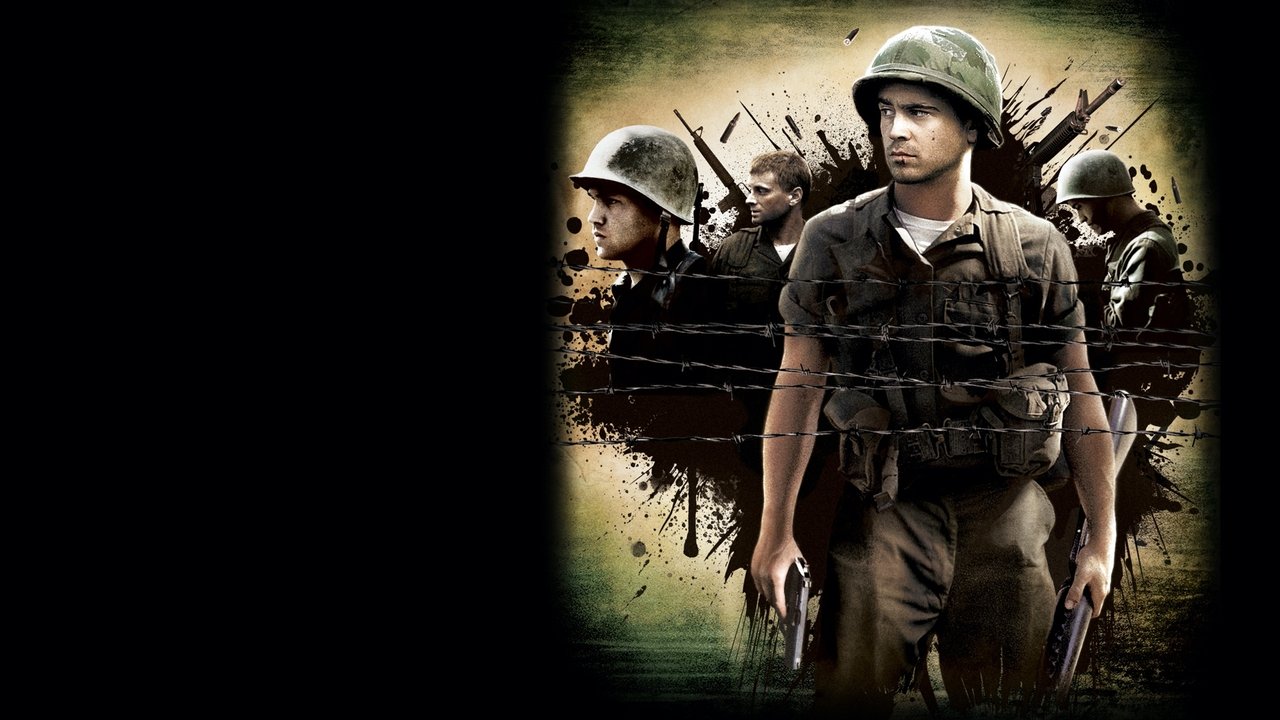
At the heart of this pressure cooker is Private Roland Bozz, brought to blistering life by a then largely unknown Irish actor named Colin Farrell. It's difficult to overstate what a bolt from the blue his performance was. Bozz isn't a hero in the conventional sense; he’s a draftee, cynical, insubordinate, and utterly opposed to the war he’s being forced to fight. Yet, there’s an undeniable magnetism to him, a sharp intelligence lurking beneath the insolence. Farrell imbues Bozz with a captivating blend of world-weariness and defiant spark. He sees the cracks in the system, the inherent absurdities of military bureaucracy, and possesses an uncanny knack for exploiting them, often to help his fellow soldiers find a way out. Witnessing Bozz navigate the minefield of authority figures and desperate platoon mates is the film's driving force. It's a performance crackling with raw energy, a star truly being born on screen. Reportedly, director Joel Schumacher spotted Farrell in a London play and knew immediately he'd found his Bozz – a casting choice that undeniably launched Farrell's international career.
Beyond the Barracks Bravado
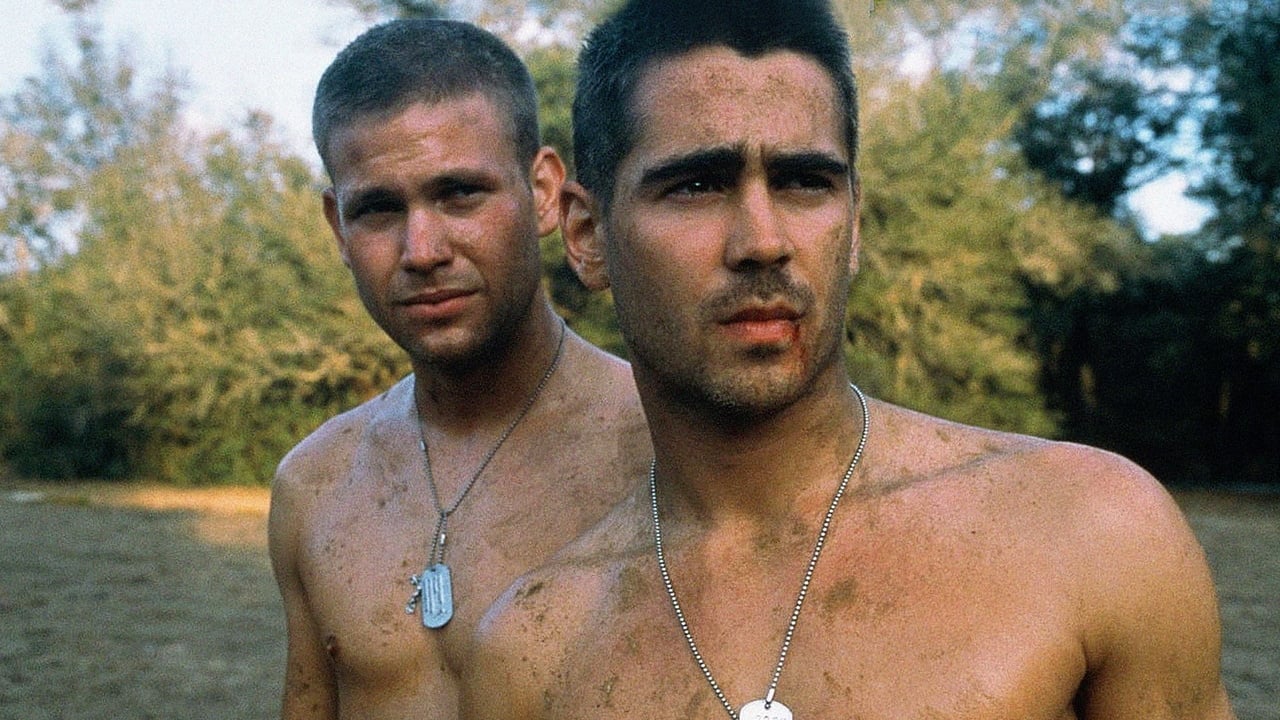
While Farrell anchors the film, the ensemble around him effectively portrays the spectrum of young men caught in the gears of war. Matthew Davis offers a compelling counterpoint as Private Jim Paxton, an aspiring writer who volunteers, initially drawn by some romantic notion of duty and experience. Paxton serves as our observer, chronicling the events and acting as Bozz’s conscience and confidante. Their evolving friendship, built on shared confinement and mutual respect despite differing ideologies, forms the emotional core. We also see memorable turns like Clifton Collins Jr. (Schumacher also directed him in 187) as the increasingly unstable Private Miter, a stark reminder of the psychological toll this environment exacts even before bullets fly. The interactions feel authentic, capturing the nervous energy, the gallows humor, and the fragile bonds forged under extreme duress.
Schumacher's Gritty Detour
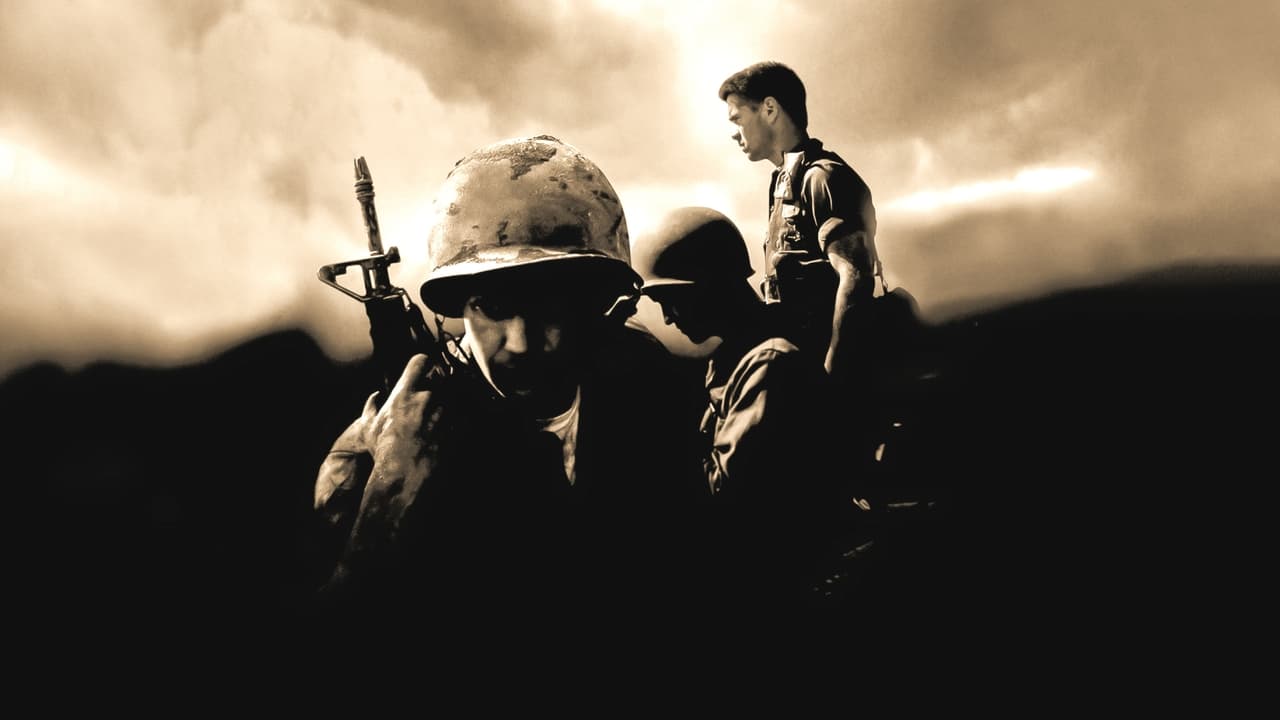
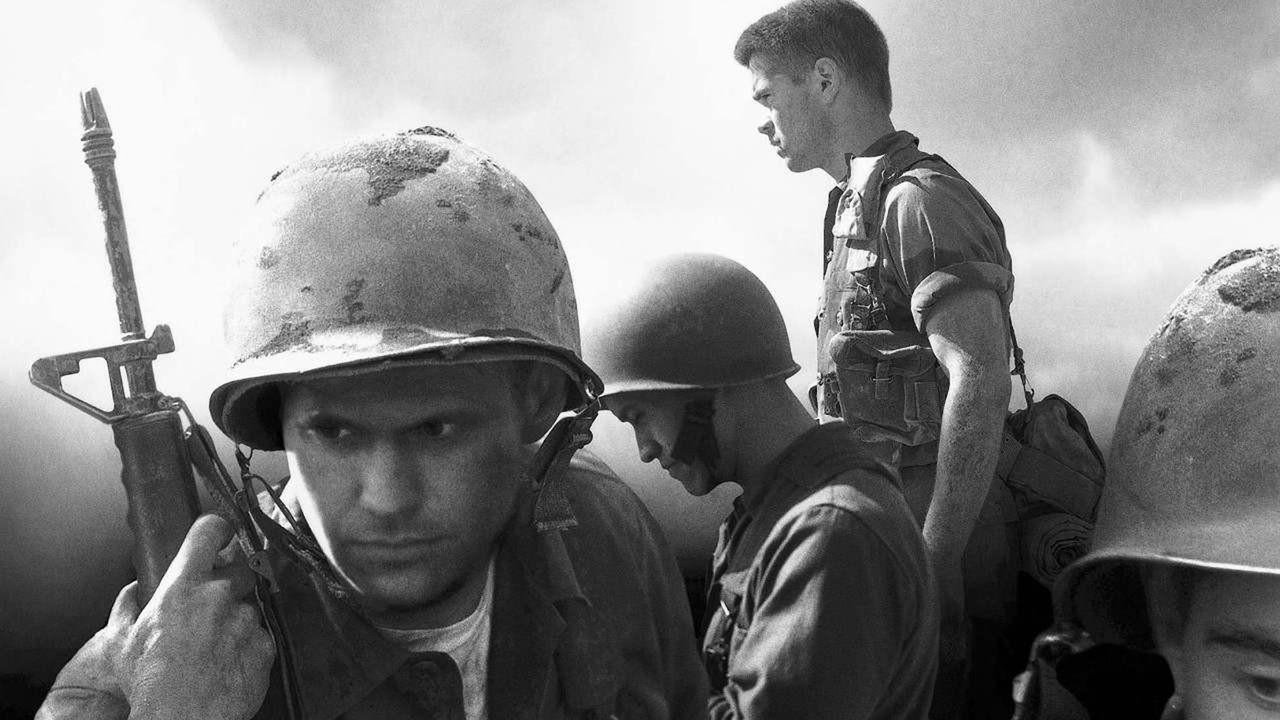
What makes Tigerland particularly interesting, especially for followers of Joel Schumacher's career, is its stark departure from the high-gloss productions (Batman Forever, A Time to Kill) he was known for in the 90s. Coming off the critical drubbing of Batman & Robin (1997), Schumacher consciously pivoted towards something smaller, rawer, more personal. Shot for a modest $10 million, Tigerland embraces a deliberately unpolished aesthetic. Cinematographer Matthew Libatique (who would later lens acclaimed films like Black Swan) employed handheld 16mm cameras, giving the film an almost cinéma vérité feel. The muted colours, the shaky immediacy of the camerawork, and the reliance on natural light contribute massively to the sense of realism and claustrophobia. It feels less like a Hollywood production and more like found footage from the era, perfectly capturing the humid, bug-infested reality of Louisiana standing in for Vietnam's jungle training grounds (filming took place partly at Camp Blanding in Florida). This stylistic choice wasn't just budgetary; it was integral to the film's power, stripping away artifice to focus squarely on the characters and their internal battles.
The War Before the War
Based partly on the experiences of co-writer Ross Klavan, Tigerland stands apart by focusing entirely on the prelude to combat. There are grueling exercises, brutal NCOs, and the constant psychological pressure of knowing what awaits, but the enemy remains unseen, an abstraction looming over the horizon. The film explores the dehumanizing process of turning civilians into soldiers, the erosion of individuality, and the different ways men cope with impending doom. Bozz’s rebellion isn't just against the army; it's against the stripping away of his humanity, his refusal to become just another cog. Doesn't this specific focus, the tension built not on action but on anticipation and psychological strain, offer a unique perspective within the crowded Vietnam War genre? It forces us to confront the cost of war even before the first shot is fired in theater.
A Gem Hidden in Plain Sight
Despite critical acclaim, particularly for Farrell, Tigerland wasn't a major commercial success upon release. It perhaps got a little lost, arriving at the turn of the millennium, maybe too gritty for mainstream tastes at the time, too focused on character nuance over battlefield spectacle. Yet, watching it now, it feels remarkably potent and prescient. It's a film that trusts its audience, avoids easy answers, and delivers a powerful, character-driven drama anchored by a truly electrifying central performance. It’s the kind of film you might have stumbled upon in the video store years ago, drawn in by Schumacher's name but discovering something unexpectedly raw and resonant.
Rating: 8/10
This score reflects the film's powerful authenticity, Farrell's breakout performance which remains a career highlight, Schumacher's effective stylistic shift, and its unique, compelling focus on the psychological crucible of pre-deployment training. It avoids the clichés of many war films by grounding itself entirely in the human cost before the battlefield, creating a palpable tension and exploring complex themes with nuance. While perhaps not as epic in scope as some genre brethren, its intimate focus and raw energy make it deeply impactful.
Tigerland lingers not because of explosions, but because of the quiet intensity in Colin Farrell's eyes, the humid dread hanging in the air, and the haunting question of what it means to retain one's soul when the machine demands conformity. It’s a powerful reminder from Joel Schumacher that sometimes the most gripping stories are found not in the spectacle, but in the spaces between breaths, waiting for the inevitable.
You Might Also Enjoy
All Things Fair
1995
Land and Freedom
1995
Richard III
1995
Ulysses' Gaze
1995
Underground
1995
A Self-Made Hero
1996
Captain Conan
1996
Carla's Song
1996
Freedomfighters
1996
Michael Collins
1996
Pretty Village, Pretty Flame
1996
Prisoner of the Mountains
1996
The English Patient
1996
Paradise Road
1997