Under the Sand
Okay, fellow travellers through time and tape, gather ‘round. Tonight, we’re slightly bending the timeline dials here at VHS Heaven, nudging just past the 90s into the year 2000. Why? Because some films arrive precisely when they need to, capturing a mood or asking a question so potent it transcends strict decade boundaries. And François Ozon's Under the Sand (Sous le sable) is one such film – a quiet, devastating portrait of loss that likely graced many a VCR in those twilight years of the format, leaving an indelible mark long after the static kicked in. It demands we ask: what remains when the unthinkable happens, not with a bang, but with the quiet pull of the tide?

Where the Sea Keeps Its Secrets
The premise is deceptively simple, almost mundane until it isn't. Marie (the incomparable Charlotte Rampling) and Jean (Bruno Cremer) are a long-married, seemingly content couple vacationing by the sea in southwestern France. One sunny afternoon, while Marie naps on the beach, Jean goes for a swim... and never returns. No struggle, no witnesses, just gone. Ozon masterfully avoids melodrama; there are no frantic searches shown, no histrionics. Instead, the film plunges us directly into the aftermath, specifically into Marie’s perplexing psychological state back in their Paris apartment. The brilliance lies in how the film doesn’t just depict grief, but the stubborn, almost surreal architecture of denial.
Rampling: A Masterclass in Unraveling
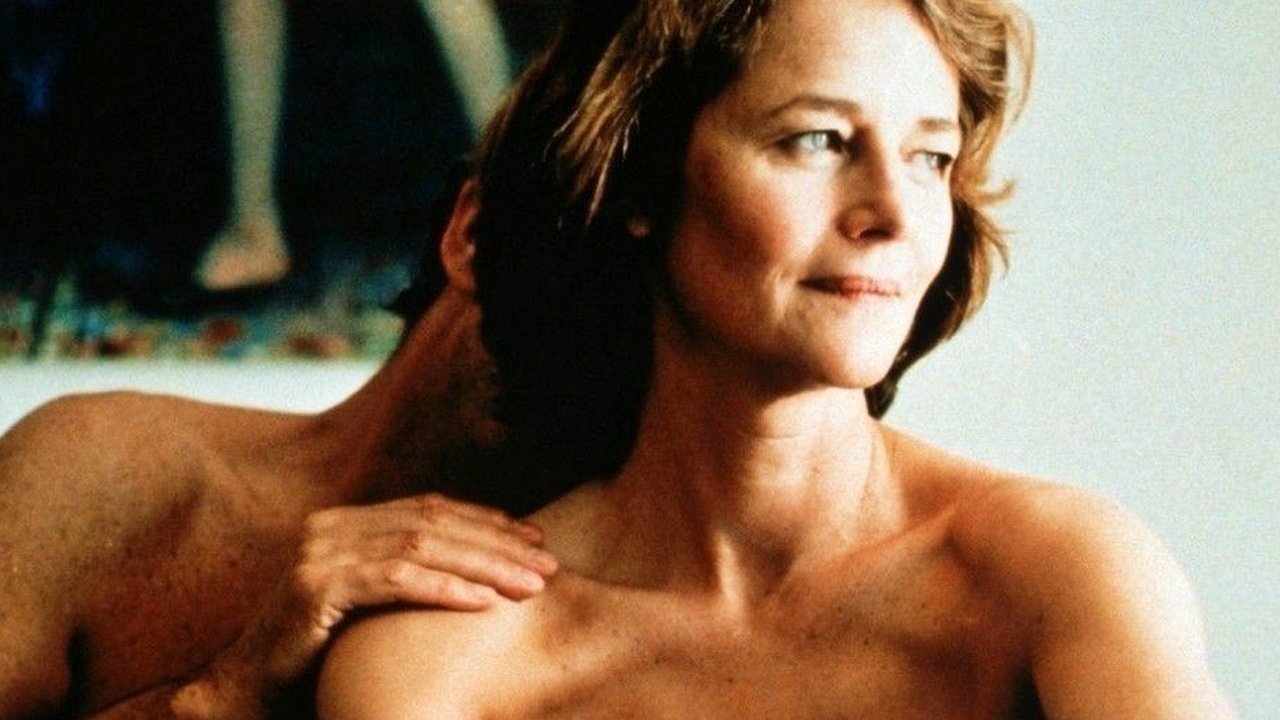
Let's be clear: this film belongs to Charlotte Rampling. François Ozon, then a rising star in French cinema (who would later give us films like 8 Women (2002) and Swimming Pool (2003)), reportedly wrote the role specifically for her, sensing perhaps that only she possessed the precise blend of hauteur, vulnerability, and inscrutable depth required. And what a performance it is. Rampling doesn't just act; she inhabits Marie’s fractured reality. We see her continue life as if Jean might walk through the door at any moment. She talks to him, buys him ties, gets annoyed when friends gently try to breach the wall she’s built around his absence. It's not madness, exactly, but a profound, self-preserving refusal to accept the void. Her gaze holds oceans of unspoken emotion – confusion, lingering affection, flickers of terror, and a profound, aching loneliness masked by routine. It’s a study in micro-expressions, subtle shifts in posture, the weight she carries in her silences. It was hailed, rightly, as a major comeback for Rampling, reminding audiences of her sheer power as a screen presence.
The Ghost in the Machine
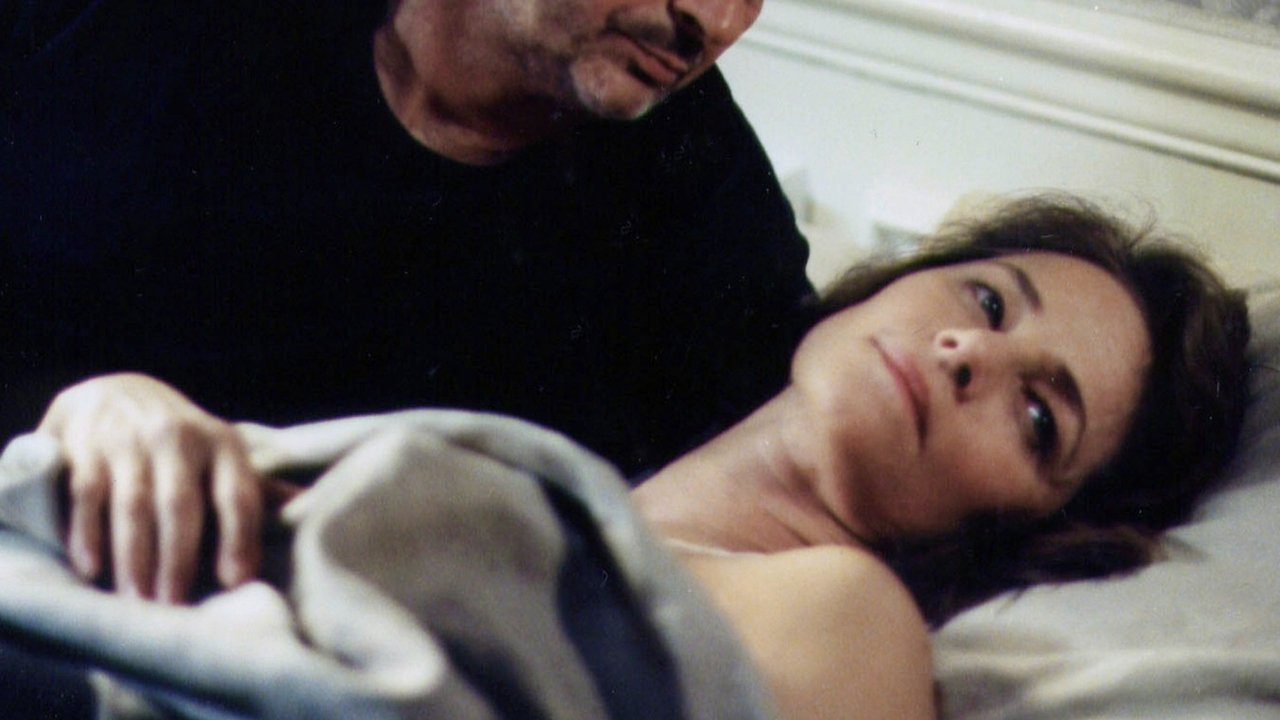
The way Ozon handles Jean's continuing "presence" is masterful. Bruno Cremer (perhaps best known to many as TV's Inspector Maigret) provides a warm, grounded counterpoint in flashbacks and in Marie's imagination. Is he a ghost? A memory? A psychological projection? The film deliberately leaves this ambiguous, reflecting Marie's own uncertainty. He’s there, in the apartment, a comforting yet unsettling fixture. This ambiguity forces us, the viewers, into Marie’s headspace. We question what’s real alongside her. Doesn't this reflect how memory itself works after loss – the departed feeling simultaneously gone forever and vividly present? The film suggests that sometimes, the stories we tell ourselves are the only rafts we have in the sea of grief.
A Quietly Radical Portrait
Under the Sand avoids the usual cinematic tropes of mourning. There are no big cathartic breakdowns, no neat resolutions. Instead, Ozon offers something quieter, more unsettling, and arguably more truthful about the long tail of loss. He explores the practicalities (dealing with Jean’s belongings, finances) and the emotional complexities (tentative steps towards new relationships, the reactions of friends and family). The film was made relatively modestly, relying on its performances and atmosphere rather than spectacle. Shot on location in Paris and the Landes region, the settings feel authentic, lived-in, enhancing the sense of realism even as Marie drifts further into her internal world. The initial critical reception was strong, particularly praising Rampling and Ozon's sensitive handling of the subject matter, cementing Ozon's reputation as a director deeply interested in the female psyche.
Why It Lingers
Watching Under the Sand feels like reading a poignant, slightly mysterious short story. It doesn't offer easy answers about Jean's fate or Marie's future. Instead, it leaves you contemplating the profound mystery at the heart of even the closest relationships. How well can we ever truly know another person? What happens to our own identity when a defining relationship is abruptly severed? It’s a film that respects its audience, trusting us to navigate the ambiguities and draw our own conclusions. Arriving in 2000, just as DVD players were becoming household staples, it represents a kind of adult, character-driven European cinema that felt both timeless and perhaps like the end of an era for those of us still primarily renting tapes.
Rating: 9/10
This score reflects the film's exceptional central performance, its masterful control of tone and ambiguity, and its profound, unflinching exploration of grief and denial. Charlotte Rampling is simply extraordinary, delivering a career-defining portrayal that resonates long after the credits. While its deliberate pace and unresolved nature might not satisfy everyone, its psychological depth and emotional honesty are undeniable. It's a haunting film that earns its melancholy power through subtlety and nuance, rather than overt sentimentality.
Under the Sand doesn't shout; it whispers, like the turning tide itself, leaving behind questions that echo long after the screen goes dark. What truths lie buried, just beneath the surface of everyday life?
You Might Also Enjoy
Clockers
1995
Dolores Claiborne
1995
The Passion of Darkly Noon
1995
Before and After
1996
Courage Under Fire
1996
Lone Star
1996
The Apartment
1996
Contact
1997
Midnight in the Garden of Good and Evil
1997
The Game
1997
Affliction
1998
The Red Violin
1998
Whispering Corridors
1998
Eyes Wide Shut
1999