Wonder Boys
Here’s a review for Wonder Boys (2000), crafted for "VHS Heaven":
***
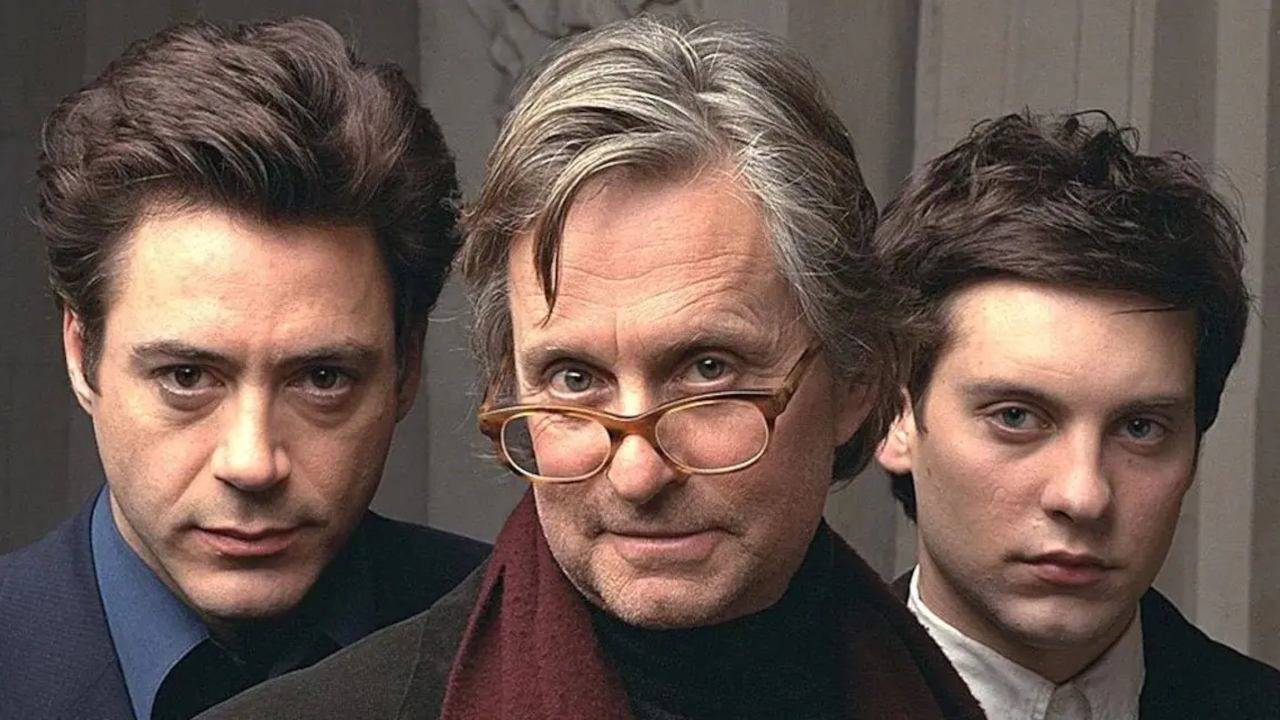
There’s a certain kind of film that feels like slipping into a comfortable old sweater on a chilly evening. It might not shout the loudest or boast the biggest explosions, but it wraps you in its world, introduces you to characters who feel startlingly real, and leaves you pondering long after the credits fade. Curtis Hanson’s Wonder Boys, released right at the cusp of the new millennium in 2000, is precisely that kind of film. Though technically hitting screens just past our usual 80s/90s wheelhouse, its sensibility – literate, character-driven, wryly melancholic – feels deeply connected to the best adult dramas that graced video store shelves throughout the preceding decade. It arrived quietly, almost drowned out by Y2K anxieties and louder cinematic fare, making it feel like a hidden gem even then, the kind you'd excitedly recommend after discovering it tucked away on the new release wall.
A Weekend of Unraveling
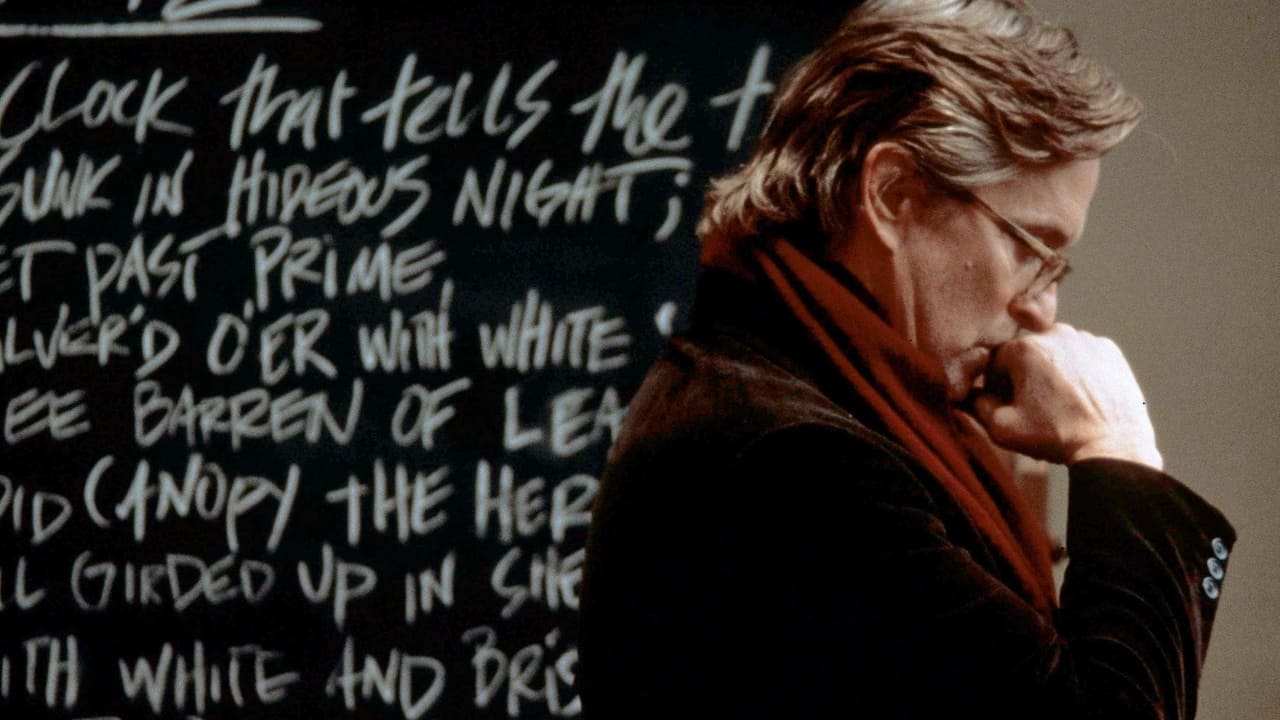
The film plunges us into a perpetually overcast, snow-dusted Pittsburgh during its annual WordFest literary festival. At the center is Professor Grady Tripp, played with a career-best shambling charm by Michael Douglas. Tripp is a man adrift: his promising literary career stalled after one successful novel years ago, his marriage crumbling, his affair with the university chancellor (a pitch-perfect Frances McDormand) reaching a critical point, and his sprawling, seemingly endless follow-up manuscript ballooning to over 2,600 pages with no end in sight. Douglas sheds his usual high-powered persona for something far more vulnerable and lived-in. He is Grady – baggy sweater, perpetually stoned haze, weary eyes betraying a sharp intellect buried under layers of procrastination and regret. You can almost smell the stale coffee and weed clinging to him.
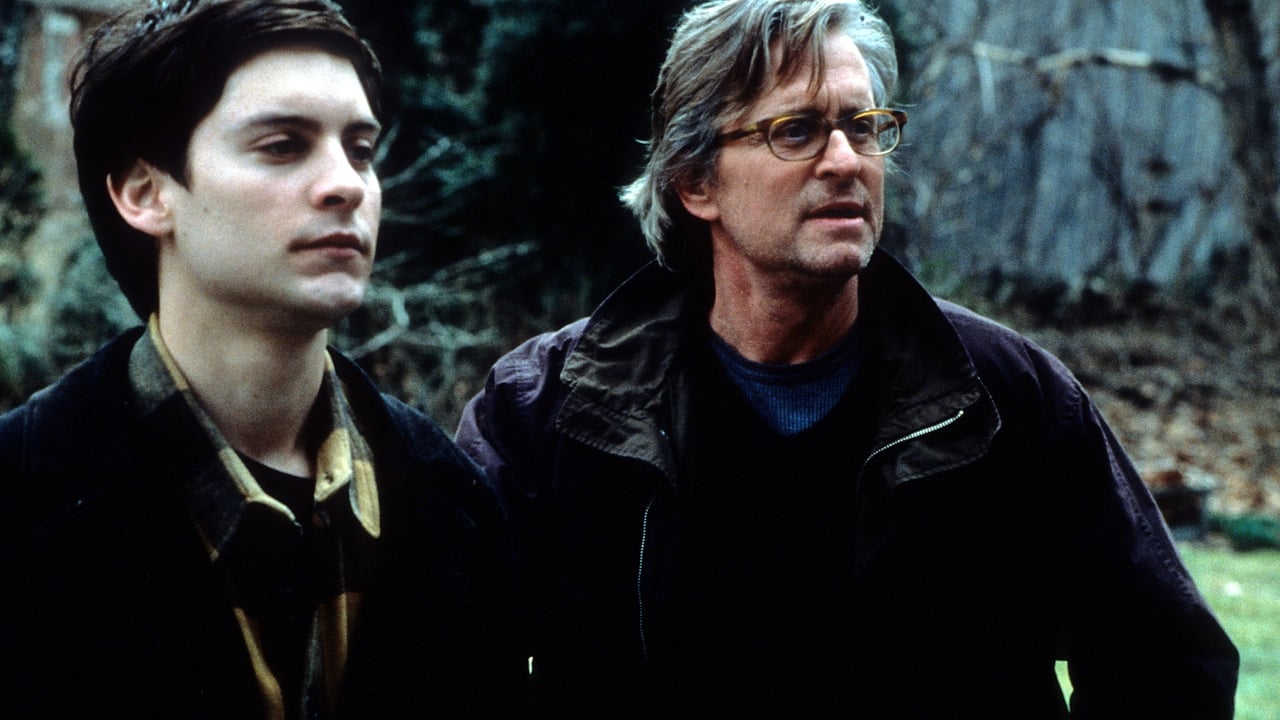
The catalyst for the weekend’s chaotic unfolding is James Leer (Tobey Maguire, just before web-slinging fame), one of Tripp's most gifted, yet deeply troubled writing students. Leer is a fascinating creation – a compulsive liar with a morbid imagination, clad in a perpetually too-small coat, carrying secrets and a surprising manuscript of his own. Maguire captures Leer's awkwardness and underlying intensity beautifully, creating a dynamic with Douglas that forms the film's emotional core. Their relationship, part mentorship, part accidental co-conspirators in escalating misfortune, feels messy and authentic. Remember how certain pairings just clicked on screen back then? This is one of them.
Navigating the Academic Maze

The film, adapted with remarkable fidelity and grace by Steve Kloves (who would soon tackle the Harry Potter series) from Michael Chabon’s novel, isn’t driven by a high-concept plot. Instead, it drifts, much like its protagonist, through a series of encounters and minor catastrophes: a stolen Marilyn Monroe collectible jacket, a dead dog belonging to the chancellor's husband, the arrival of Tripp's flamboyant editor, Terry Crabtree (Robert Downey Jr., delivering a charismatic, pre-Iron Man comeback performance), and the constant, looming presence of that behemoth manuscript. It's a testament to Curtis Hanson's sensitive direction, fresh off the starkly different noir brilliance of L.A. Confidential (1997), that this meandering structure never feels aimless. He expertly balances the humor – often stemming from the sheer absurdity of the situations – with genuine pathos.
One fascinating tidbit is how long the project took to get made. Adapting Chabon’s dense, witty prose was a challenge, and finding the right director and cast took time. Hanson reportedly boarded after falling in love with Kloves' script, seeing the potential for a character study that felt both specific and universal. And the Pittsburgh setting? It’s not just backdrop; the chilly, slightly worn beauty of the city becomes an integral part of the film's atmosphere, mirroring the characters' own states of weariness and tentative hope. Shooting during a genuinely cold Pennsylvania winter certainly added to the authenticity.
Finding Truth in Fiction (and Vice Versa)
What truly elevates Wonder Boys is its exploration of creativity, mentorship, and the messy business of simply living. It understands the paralysis of the blank page (or, in Tripp’s case, the overwhelmingly full page) and the ways we construct narratives about ourselves, sometimes deceptively. James Leer's fabrications, Grady's avoidance tactics – aren't these just different ways of shaping reality? The film doesn’t offer easy answers but finds profound truth in the characters' flawed attempts to connect and navigate their complicated lives. McDormand’s Sara Gaskell isn’t just "the other woman"; she’s a complex individual facing her own crossroads, portrayed with McDormand’s trademark intelligence and understated strength.
Even the smaller moments resonate – Crabtree's desperate search for the "next big thing," the quiet understanding between Tripp and Sara, Leer's sudden bursts of startling insight. It’s a film populated by people you feel you could actually meet, wrestling with problems that feel relatable, even amidst the slightly heightened literary world hijinks. It’s interesting to note that despite rave reviews, Wonder Boys initially struggled at the box office (grossing around $33 million worldwide against a reported $55 million budget, though figures vary). Paramount even re-released it later in the year with a new marketing campaign, hoping audiences would find this wonderful film. It felt like a quintessential "critics' darling" that deserved a wider audience – the kind of movie video stores often gave a second life. Its enduring appeal, and that Oscar win for Bob Dylan's perfectly fitting song "Things Have Changed," speaks volumes.

Rating: 9/10
This score reflects the film's exceptional writing, pitch-perfect performances across the board (especially Douglas in a role unlike his usual fare), and Curtis Hanson's masterful, sensitive direction. It captures a specific mood and academic milieu with wit and warmth, creating characters who linger long after viewing. The slightly meandering pace might not be for everyone, but it’s integral to the film’s reflective charm. Wonder Boys is a beautifully observed comedy-drama that feels both timeless and comfortingly reminiscent of finding an unexpected treasure on the rental shelf – a smart, funny, and deeply human film about getting unstuck.
What lingers most is that feeling of gentle melancholy mixed with quiet hope – a reminder that sometimes, the detours and unfinished chapters are just as important as the final destination.