The Dresser
Here we go, popping another well-loved tape into the VCR, the familiar whirring sound a comforting prelude. Tonight, it’s a different kind of journey back, not to a world of lasers or high school hijinks, but to the drafty backstage corridors of a provincial English theatre during the Blitz. We're settling in for Peter Yates's 1983 adaptation of Ronald Harwood’s play, The Dresser – a film that resonates with a quiet, profound gravity.
Beyond the Footlights
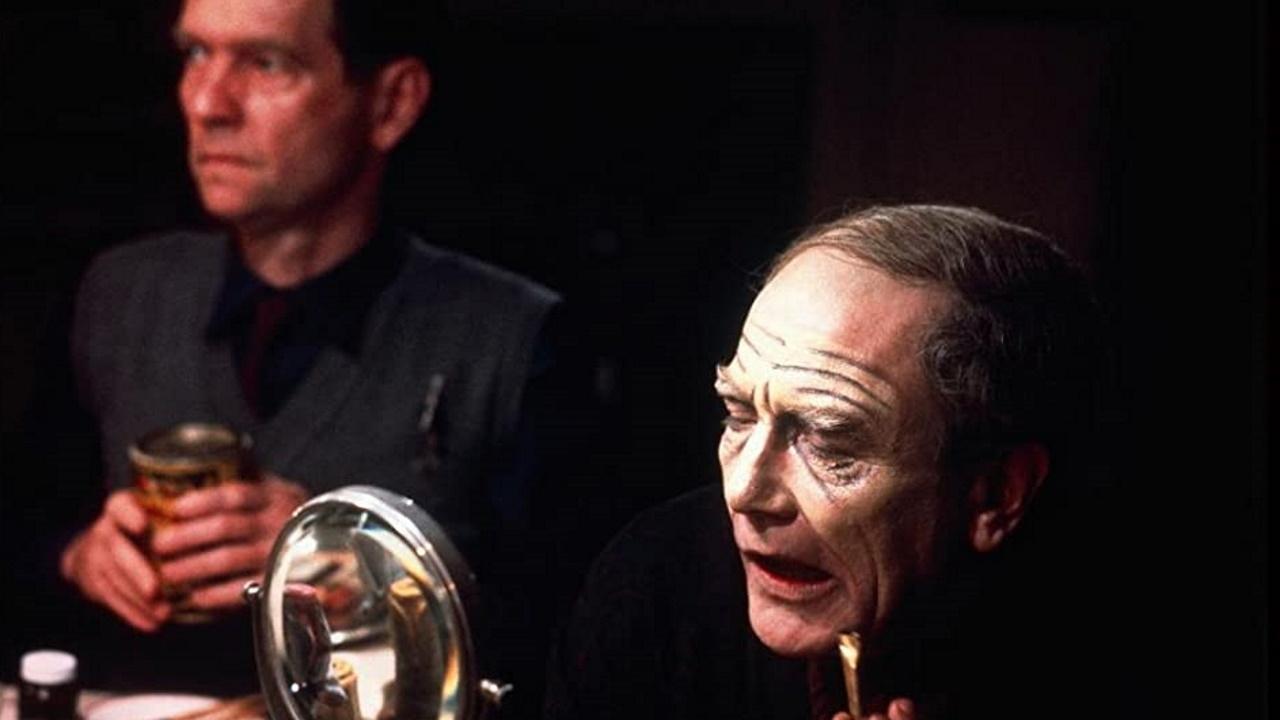
There are partnerships forged in necessity, others in shared ambition, and some, like the one anchoring The Dresser, that feel like a complex, almost elemental bond defying simple definition. At its heart, this is the story of 'Sir' (Albert Finney), an aging, increasingly frail actor-manager leading a threadbare Shakespearean troupe through wartime Britain, and Norman (Tom Courtenay), his devoted, long-suffering dresser. It’s a relationship built on decades of routine, shared vanities, simmering resentments, and a fierce, albeit deeply complicated, love. The film unfolds over one tumultuous night as Sir, on the verge of collapse, is scheduled to give his 227th performance as King Lear.
The atmosphere Yates conjures is palpable. You can almost feel the damp chill of the theatre, smell the greasepaint and dust, hear the distant rumble of bombers mingling with the onstage declamations. It’s a world teetering on the edge – the nation at war, the company barely holding together, and Sir himself physically and mentally disintegrating. This isn't the polished grandeur of London's West End; it's theatre surviving on sheer willpower, a flickering candle against the encroaching darkness.
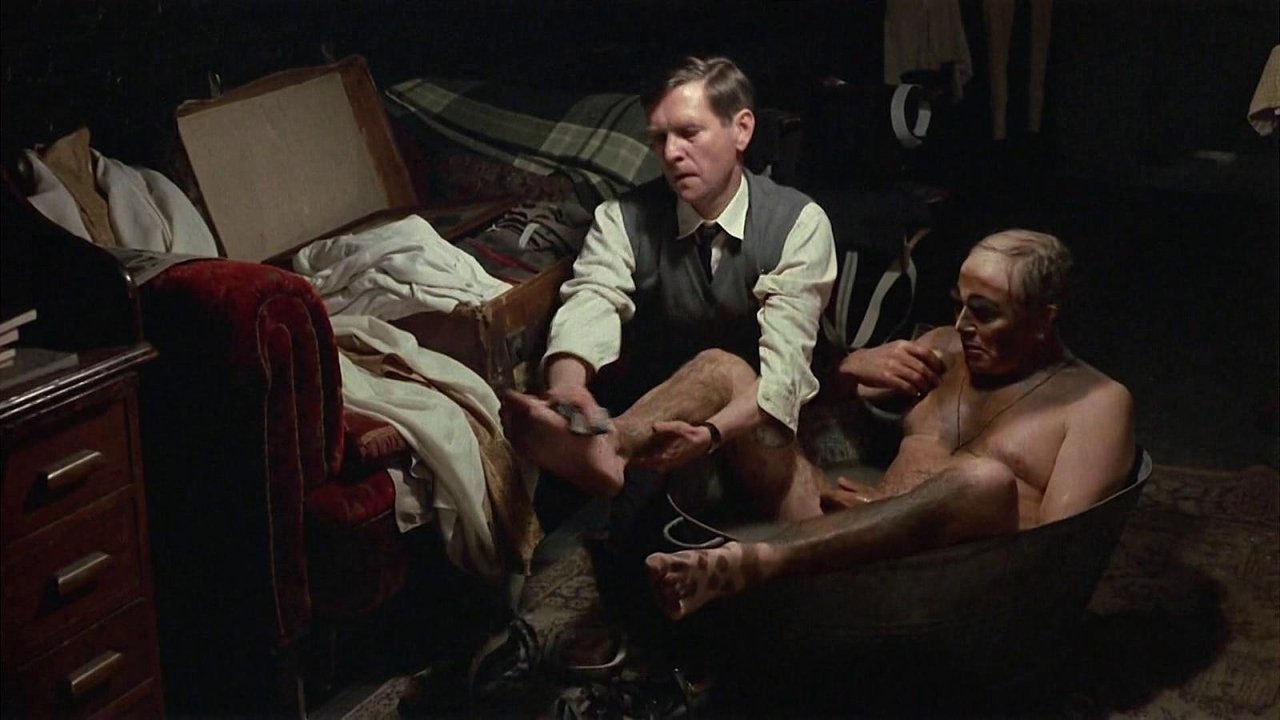
A Duel of Devotion and Despair
What elevates The Dresser from a well-observed backstage drama to something truly unforgettable are the towering performances from its two leads. Albert Finney, buried under layers of makeup and affectation, embodies Sir as a Lear-like figure even offstage: imperious, terrified, grandiose, and tragically aware of his fading powers. It’s a performance of immense physical and emotional commitment. You see the monumental effort it takes for him to simply prepare, the flashes of his former brilliance warring with his current frailty.
Retro Fun Fact: Finney’s transformation into the aged Sir was a significant undertaking, requiring hours in the makeup chair each day. The meticulous aging wasn't just cosmetic; it visually underscored the character's profound weariness and the immense burden of his theatrical legacy, making his struggle to perform Lear feel even more Herculean.
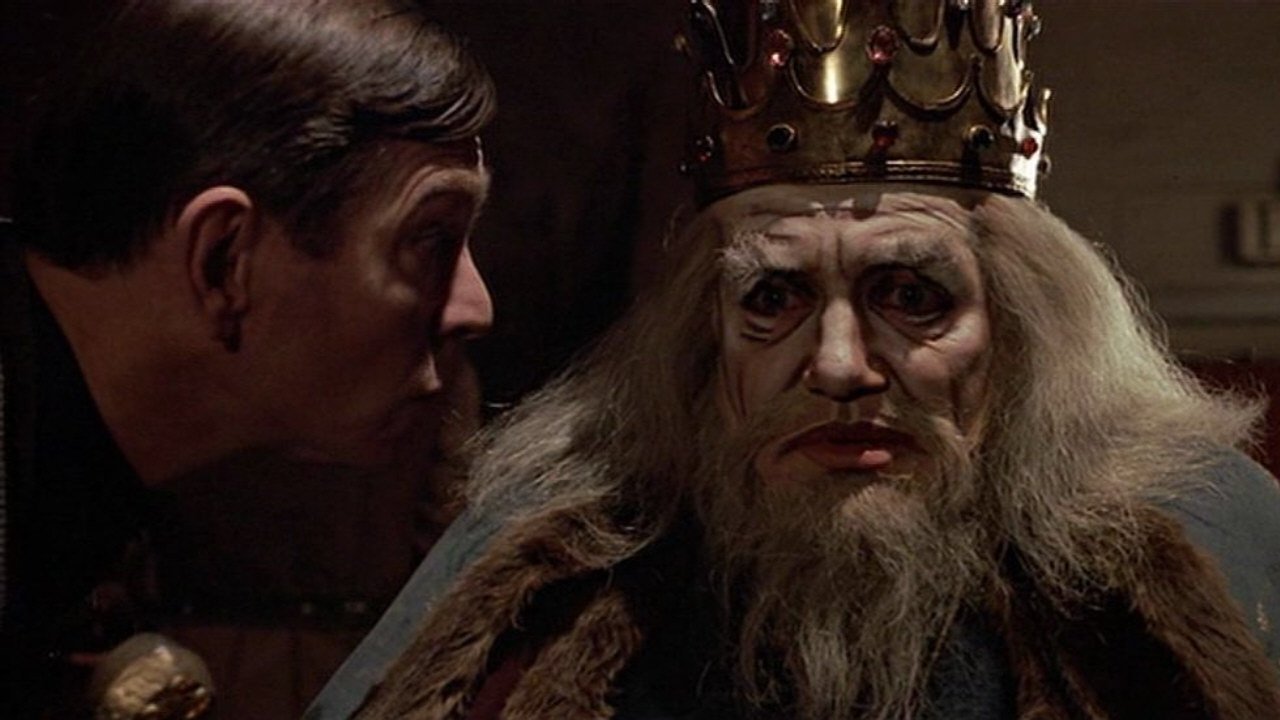
Opposite him, Tom Courtenay delivers a masterclass in nuanced restraint as Norman. Norman is the engine that keeps Sir running – coaxing, cajoling, flattering, enduring monstrous tirades, and anticipating every need. Courtenay captures Norman's fussy mannerisms, his quiet dignity, his moments of biting wit, and the deep well of emotion simmering beneath the surface. Is it love? Duty? Habit? Codependency? Courtenay makes it all of these and more, a portrait of devotion so complete it borders on self-annihilation. His final scenes, processing the events of the night, are heartbreakingly subtle.
Retro Fun Fact: The exceptional quality of both lead performances was widely recognized. In a relatively rare occurrence at the Academy Awards, both Albert Finney and Tom Courtenay were nominated for Best Actor for their roles in The Dresser. While neither won, the dual nomination speaks volumes about the power dynamic and shared screen presence they achieved, making it impossible to single one out over the other.
From Stage to Screen
Adapting a successful stage play always presents challenges. Peter Yates, perhaps surprisingly known more for action films like Bullitt and the charming cycling drama Breaking Away, handles the transition with sensitivity. He wisely keeps the focus tight on the characters and their claustrophobic world, using the confined spaces of the dressing room and backstage areas to amplify the emotional intensity. While some moments retain a slightly theatrical feel, Yates uses close-ups effectively, allowing the actors' faces to convey the unspoken histories and complex emotions. The camera often feels like an intimate observer, privy to moments both grand and painfully vulnerable. The supporting cast, including Edward Fox as the pragmatic, slightly cynical Oxenby and Eileen Atkins as Madge, the loyal stage manager carrying her own torch for Sir, provide effective counterpoints and further illuminate the central relationship.
Retro Fun Fact: The authenticity underpinning the story stems directly from writer Ronald Harwood's own life. In his youth, Harwood served as the dresser for the legendary, and notoriously demanding, English actor-manager Sir Donald Wolfit for several years. The Dresser draws heavily on these personal experiences, lending the intricate details of backstage life and the peculiar intensity of the actor-dresser relationship a powerful ring of truth.
The Weight of Performance
What lingers long after the tape clicks off is the film's exploration of performance itself – not just on the stage, but in life. Sir is always performing, even in his most private moments of despair. Norman, too, plays a role, that of the indispensable helpmate, perhaps masking his own desires and disappointments. What does it mean to dedicate your entire being to an art form, especially one as ephemeral as theatre? What toll does relentless performance take on the soul? The film doesn't offer easy answers, but it poses these questions with profound empathy. Watching it again now, perhaps its meditation on aging, legacy, and the complex support systems behind fragile genius feels even more resonant. It asks us to consider the Normans of the world – the often unseen figures who enable greatness, absorbing the fallout and rarely sharing the spotlight.
Rating and Final Reflection
The Dresser isn't flashy 80s fare; it's a mature, character-driven drama anchored by two extraordinary performances that remain breathtaking decades later. Its power lies in its intimate portrayal of a complex, symbiotic relationship and its thoughtful exploration of the sacrifices demanded by art and devotion. While its stage origins occasionally peek through, the sheer force of the acting and the palpable atmosphere make it a deeply moving experience.
Rating: 9/10
Justification: This near-perfect score is overwhelmingly earned by the monumental performances of Finney and Courtenay, which are simply among the best of the decade. The film's thoughtful script, evocative atmosphere, and sensitive direction create a powerful, immersive experience. It falls just shy of a perfect 10 perhaps only because the inherent theatricality of the source material isn't entirely shed in the transition to screen, leaving a few moments feeling slightly contained. However, the emotional depth and acting brilliance overwhelmingly compensate, making it a masterwork of character study.
Final Thought: The Dresser is a poignant reminder that behind every towering performance, there's often a quiet, complex orbit of support, sacrifice, and unspoken understanding – a truth rendered here with unforgettable artistry.