Under the Volcano
Here’s a review draft for Under the Volcano (1984):
***
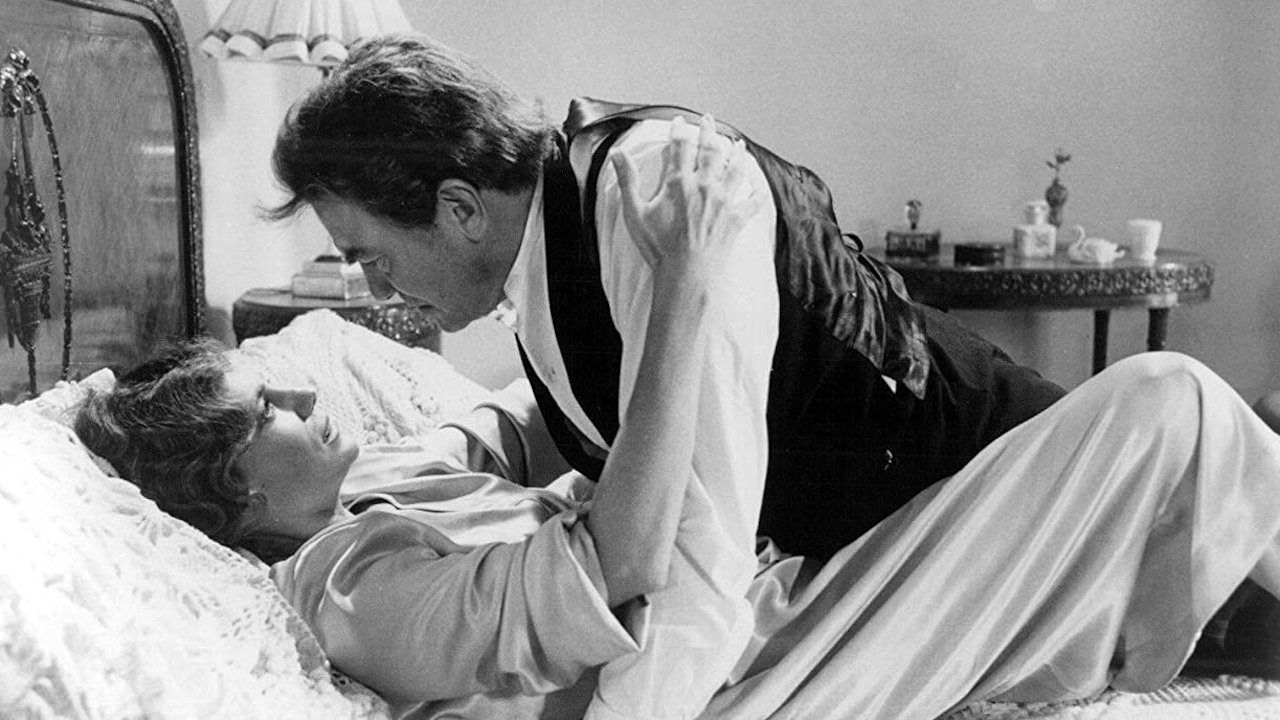
Some films arrive after a journey almost as arduous as the stories they tell. Bringing Malcolm Lowry's dense, despairing 1947 novel Under the Volcano to the screen was precisely such an odyssey, a project that haunted legendary director John Huston for decades before he finally wrestled it into existence in 1984. It’s a film that doesn't gently invite you in; rather, it plunges you headfirst into the sweltering heat and spiritual desolation of its protagonist's final day. Renting this back in the day, perhaps nestled between brighter, more escapist fare on the video store shelf, felt like unearthing something heavy, something profound and unsettling – a feeling that lingers still.
A Descent into the Day of the Dead
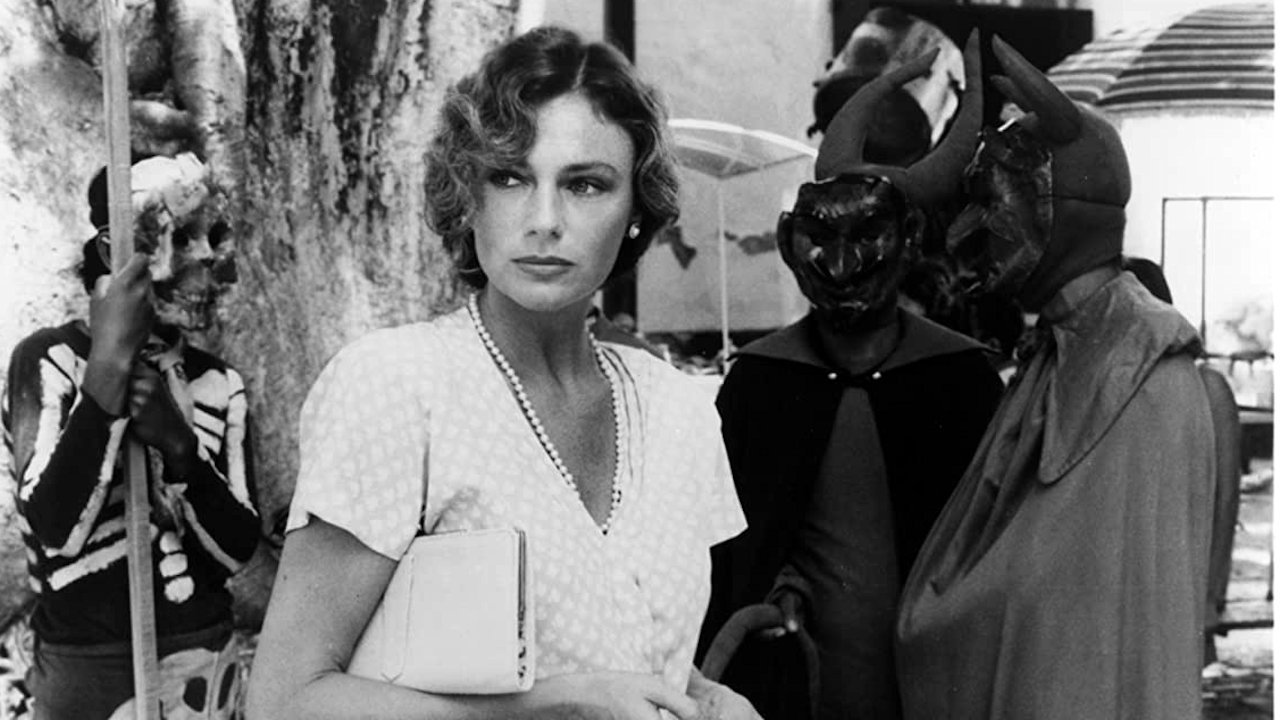
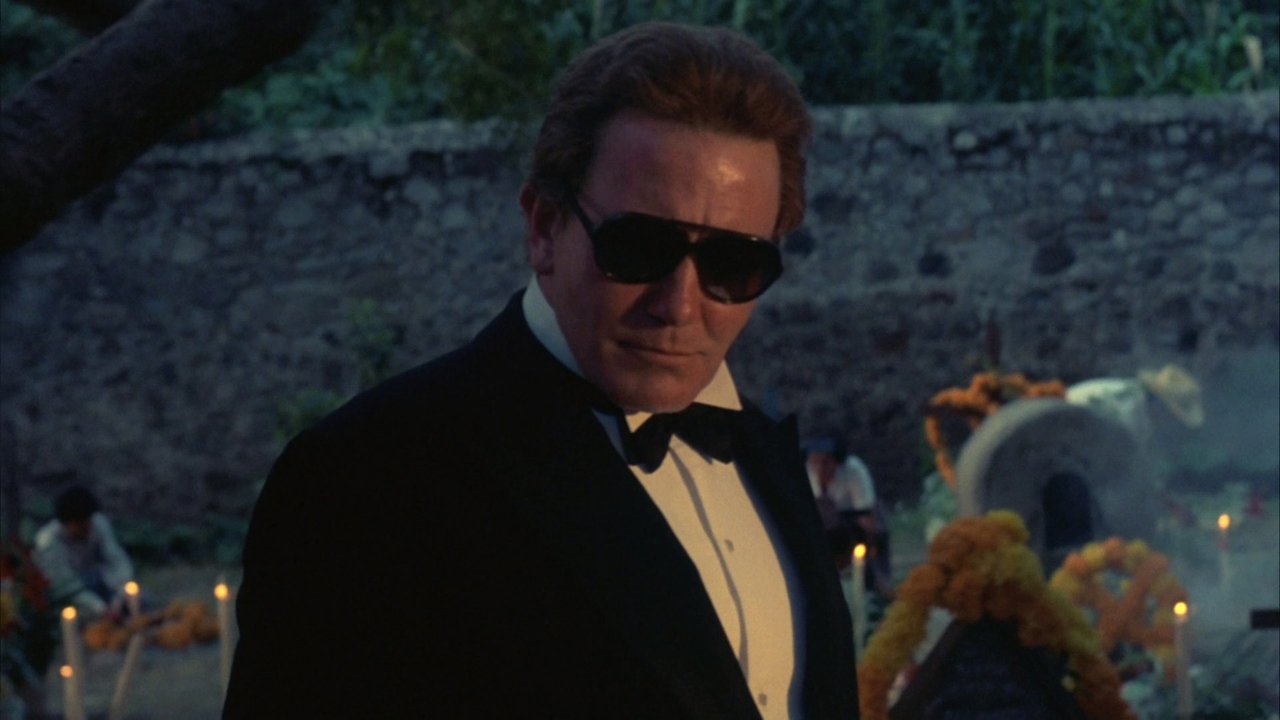
The setting is Cuernavaca, Mexico, 1938, during the vibrant chaos of the Day of the Dead festival. Geoffrey Firmin (Albert Finney), a former British consul, navigates this landscape – and the landscape of his own mind – through a relentless alcoholic haze. His world is tilting, literally and figuratively. Into this inferno arrive two figures from his past: his estranged wife Yvonne (Jacqueline Bisset), hoping desperately for reconciliation, and his idealistic half-brother Hugh (Anthony Andrews), whose presence stirs up old tensions and unspoken regrets. The narrative unfolds over roughly 24 hours, a countdown measured in mescal shots and missed opportunities, as Firmin drifts further from salvation and deeper into the abyss.
Huston, no stranger to tales of flawed men and doomed quests (think The Treasure of the Sierra Madre (1948) or The Man Who Would Be King (1975)), masterfully uses the Day of the Dead backdrop not just as colourful scenery, but as a symbolic counterpoint to Firmin's internal disintegration. The vibrant marigolds, the grinning sugar skulls, the pervasive sense of life celebrating death – it all mirrors the Consul's own paradoxical state, a man intellectually alive but spiritually dying, clinging to existence while actively courting oblivion. The film’s atmosphere is palpable; you can almost feel the oppressive Mexican heat radiating off the screen, mingling with the fumes of cheap liquor and existential dread.
Finney's Towering Inferno
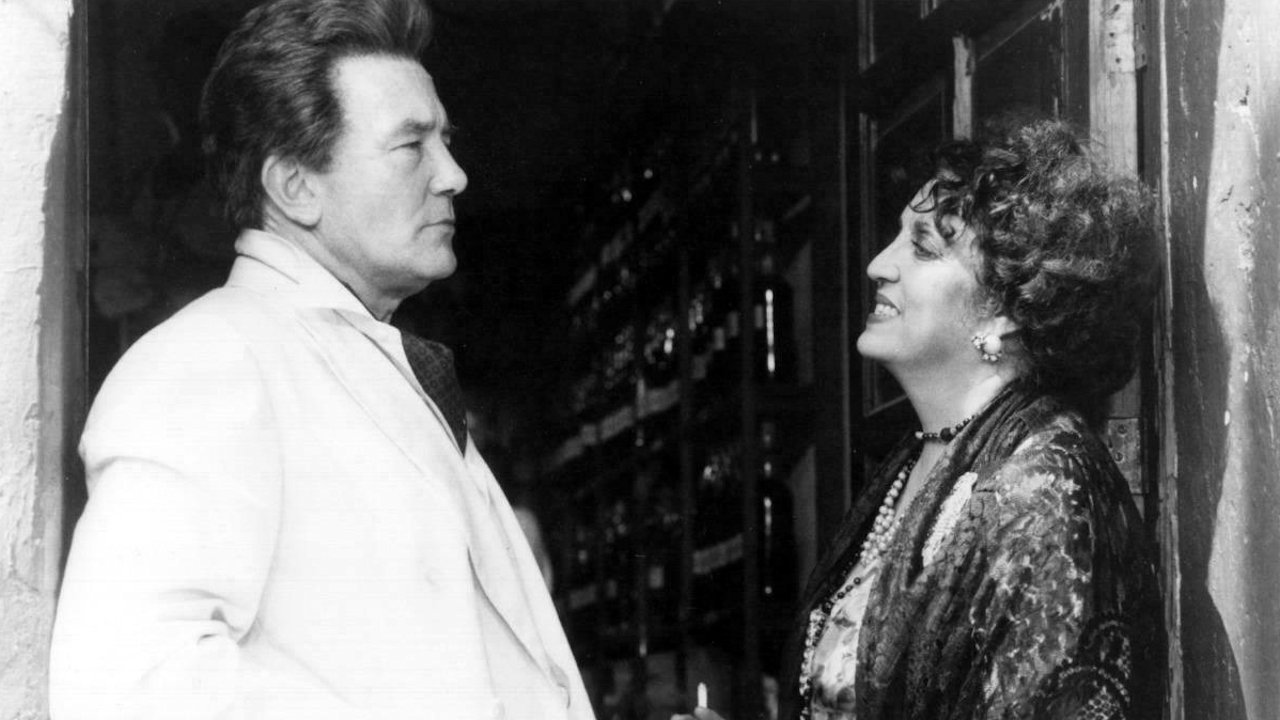
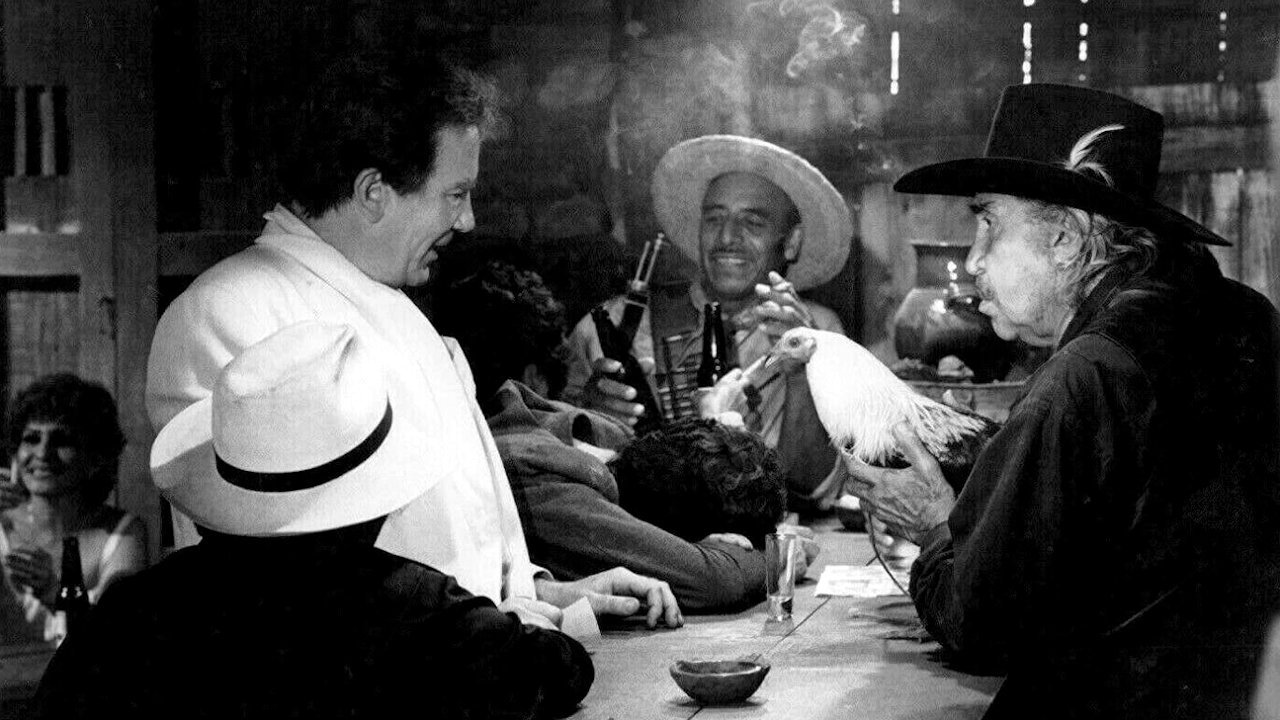
At the absolute core of Under the Volcano lies one of the great screen performances of the 1980s. Albert Finney doesn't just play Geoffrey Firmin; he embodies him with a staggering, almost frightening totality. This isn't merely 'acting drunk'; it's a portrayal of the intricate mechanisms of advanced alcoholism – the flashes of lucidity drowned by paranoia, the moments of profound insight lost in rambling incoherence, the physical toll etched onto every line of his face and carried in his unsteady gait. Finney captures the charm that must have once existed, the intelligence still flickering beneath the surface, making the Consul’s self-destruction all the more tragic. His eyes, often clouded, sometimes flare with a desperate awareness of his own damnation. It’s a performance that earned him a richly deserved Oscar nomination, and it remains astonishing in its bravery and depth. He reportedly immersed himself completely, understanding that Firmin's journey wasn't caricature but a harrowing reality for many.
Alongside him, Jacqueline Bisset provides the film's fragile emotional anchor. Her Yvonne is radiant with a desperate hope, a belief that the man she loves might still be reachable beneath the layers of intoxication. Bisset conveys Yvonne's pain and resilience with quiet dignity, making her attempts to pierce Firmin's self-imposed isolation truly heartbreaking. Anthony Andrews, as Hugh, offers a contrast – the earnest, slightly naive observer caught in the crossfire of Geoffrey and Yvonne's tortured history. He represents a different path, one perhaps less consumed by the past, yet ultimately powerless against the Consul's gravitational pull towards self-immolation.
From Unfilmable Novel to Cinematic Requiem
Adapting Lowry's famously interior novel, filled with stream-of-consciousness and complex allusions, was deemed impossible by many for years. Screenwriter Guy Gallo (who tragically died young) and Huston wisely chose to focus on the external actions and interactions of that fateful day, allowing Firmin's inner turmoil to be conveyed primarily through Finney's monumental performance and Gabriel Figueroa’s evocative cinematography. Figueroa, a legend of Mexican cinema, paints Cuernavaca in colours that are both vibrant and menacing, capturing the beauty and the danger lurking just beneath the surface.
The production itself, filmed on location in Mexico, wasn't without its challenges, mirroring the chaotic energy of the story. Huston, then in his late 70s and reliant on an oxygen tank, directed with his characteristic tenacity. Securing financing had been a long battle, and finding the right actor for Firmin was crucial; names like Richard Burton had been considered in earlier iterations of the project over the years. Finney's commitment proved pivotal. The film wasn't a massive box office hit (making around $2.6 million domestically on an estimated $4 million budget), but its critical acclaim, particularly for Finney, solidified its place as a powerful, if demanding, piece of cinema. Watching it again now, the film feels like a requiem – for a certain kind of literary adaptation, for a style of character-driven filmmaking that felt increasingly rare even then, and for the ghosts of potential that haunt Firmin's every step.
Doesn't the Consul's struggle, his willful turning away from chances at redemption, speak to a darker aspect of human nature we sometimes hesitate to confront? What is it about the abyss that can hold such a fatal allure?
***
Rating: 9/10
Justification: Under the Volcano is a challenging, often harrowing watch, but it's undeniably powerful filmmaking. Albert Finney delivers an all-time great performance, capturing the tragic complexities of addiction and self-destruction with breathtaking authenticity. John Huston's direction is masterful, creating an oppressive, unforgettable atmosphere that perfectly mirrors the protagonist's inner state. While its bleakness and deliberate pace might not be for everyone, its artistic integrity, thematic depth, and central performance make it a towering achievement of 80s cinema and a truly potent literary adaptation that defies the odds.
Final Thought: This isn't a tape you'd pop in for casual viewing, but its searing portrayal of a soul's final, agonizing descent lingers long after the screen fades to black, a haunting reminder of the volcanoes simmering beneath the surface of us all.