September
Here’s a look back at a quieter corner of the video store shelf, a film that perhaps didn’t scream for attention amidst the louder blockbusters of its day, but rewards a patient viewing with its simmering tensions.
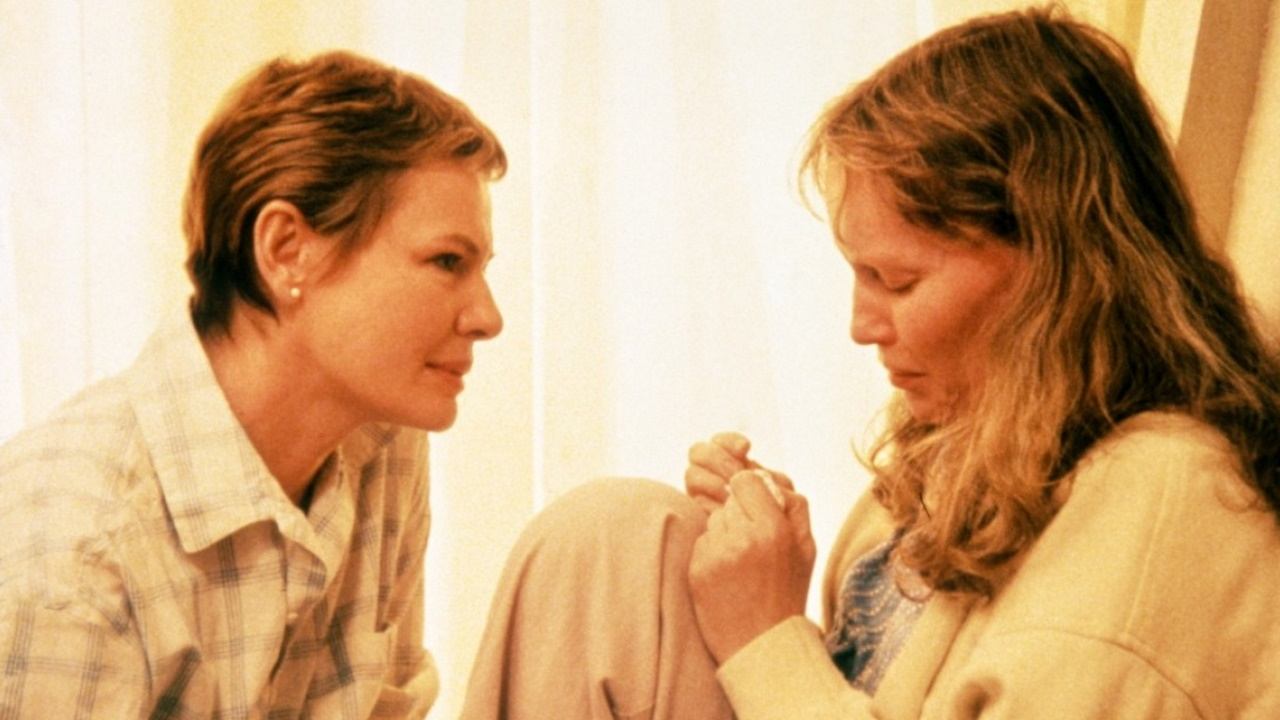
A House Full of Ghosts (Not the Spooky Kind)
Imagine making an entire film, assembling a talented cast, wrapping production... and then deciding to throw almost all of it out and start over. That’s the legendary, almost whispered story behind Woody Allen’s 1987 drama, September. Filmed once with Sam Shepard, Maureen O’Sullivan, and Charles Durning, Allen, dissatisfied, controversially recast and reshot the entire picture, finally bringing us the version that eventually landed on VHS shelves. Knowing this adds a fascinating, almost spectral layer to watching the finished piece; you’re seeing not just the film Allen released, but the ghost of the film it almost was. This backstory alone makes September a unique artifact from the era, a testament to directorial conviction (or perhaps obsession?) rarely seen on such a scale, especially considering its relatively modest scope and eventual $10 million budget (inflated significantly by the reshoot) yielding a mere trickle at the box office (under $500k domestically).
An Autumnal Mood in Summer's Last Days
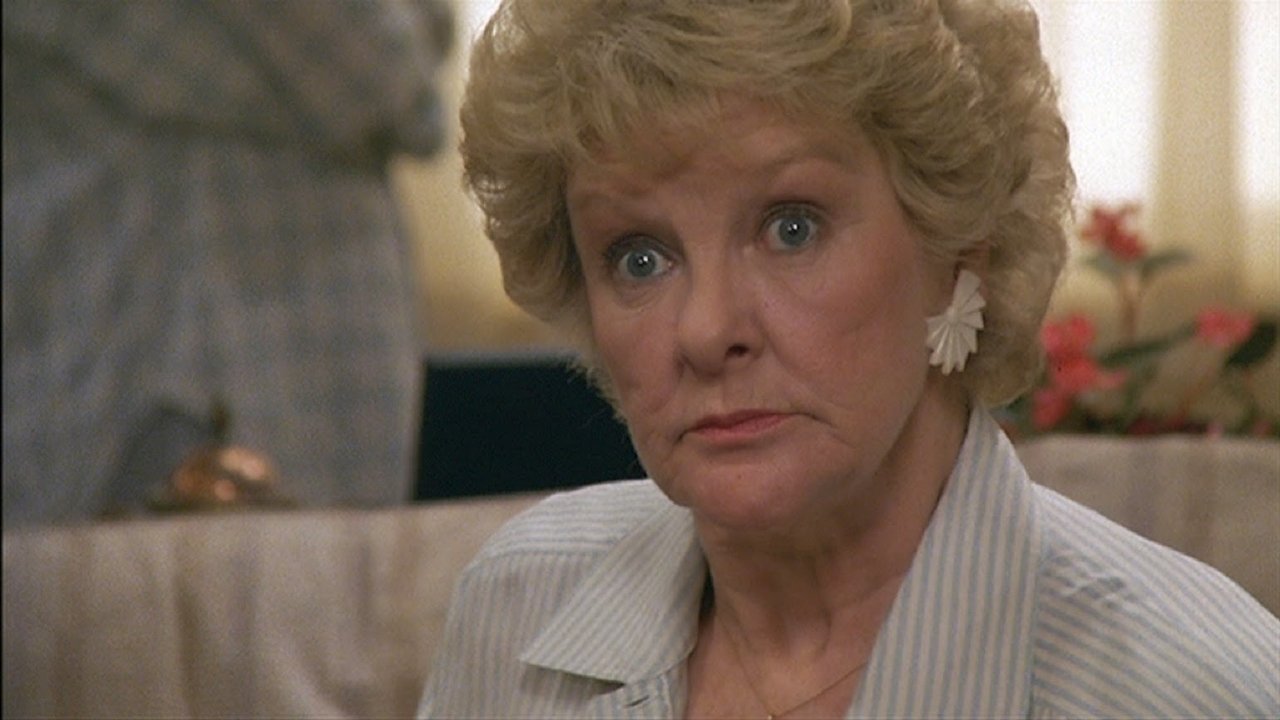
Set entirely within the confines of a rented Vermont country house during the waning days of summer, September feels less like a typical movie and more like eavesdropping on a series of intensely private, often uncomfortable conversations. The plot, such as it is, revolves around Lane (Mia Farrow), a woman recovering from a past breakdown, her vivacious, attention-seeking mother Diane (Elaine Stritch), Lane's best friend Stephanie (Dianne Wiest, fresh off her Oscar win for Allen’s Hannah and Her Sisters), a melancholic writer Peter (Sam Waterston) whom both Lane and Stephanie harbor feelings for, and Lane's older neighbour Howard (Denholm Elliott, bringing his reliable gravitas familiar from the Indiana Jones films). Add Diane’s physicist husband Lloyd (Jack Warden), and the stage is set for a long weekend of simmering resentments, unrequited affections, and devastating revelations.
The atmosphere, captured beautifully by cinematographer Carlo Di Palma (a frequent Allen collaborator), is thick with unspoken history. Allen, channeling Ingmar Bergman and Anton Chekhov, creates a deliberately claustrophobic environment. The house itself becomes a character – elegant but isolated, its rooms holding secrets and stifled desires. There are no easy answers here, no grand dramatic arcs resolved neatly. Instead, it’s about the quiet desperation, the misunderstandings, and the painful truths that surface when people are trapped together, emotionally and physically. Does the weight of the past ever truly leave us, even in seemingly tranquil surroundings?
Performances Under Pressure
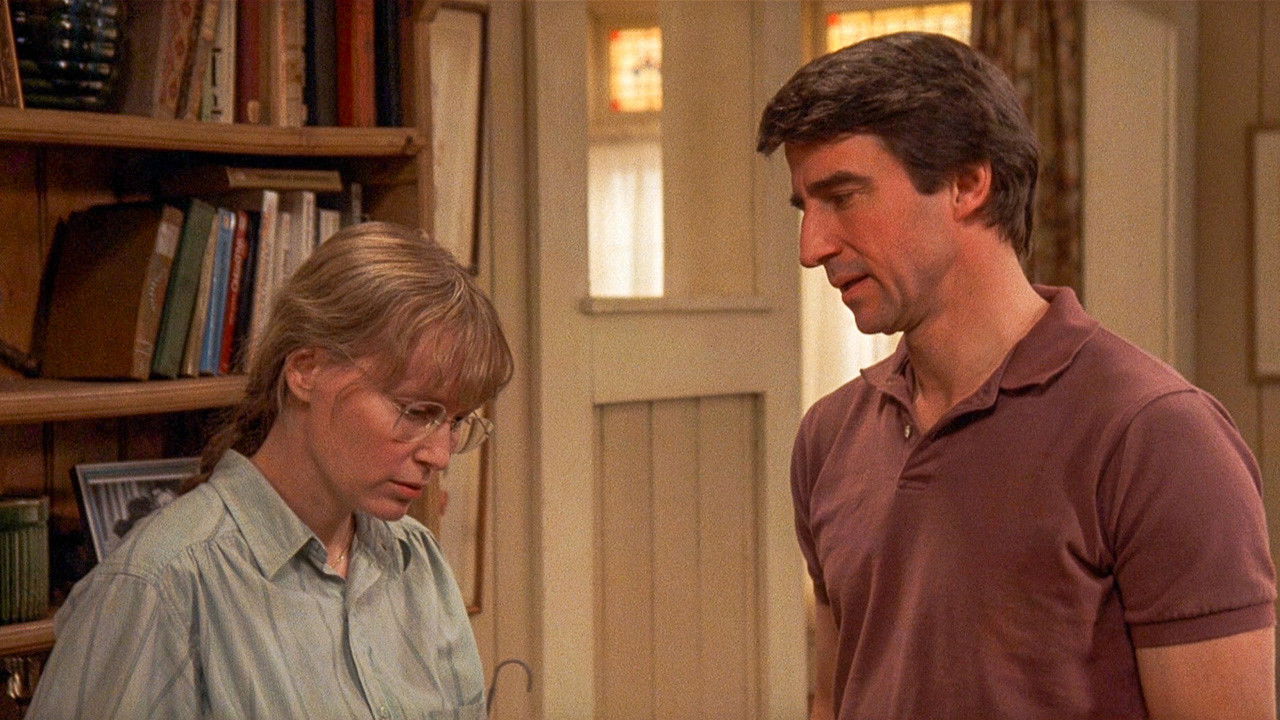
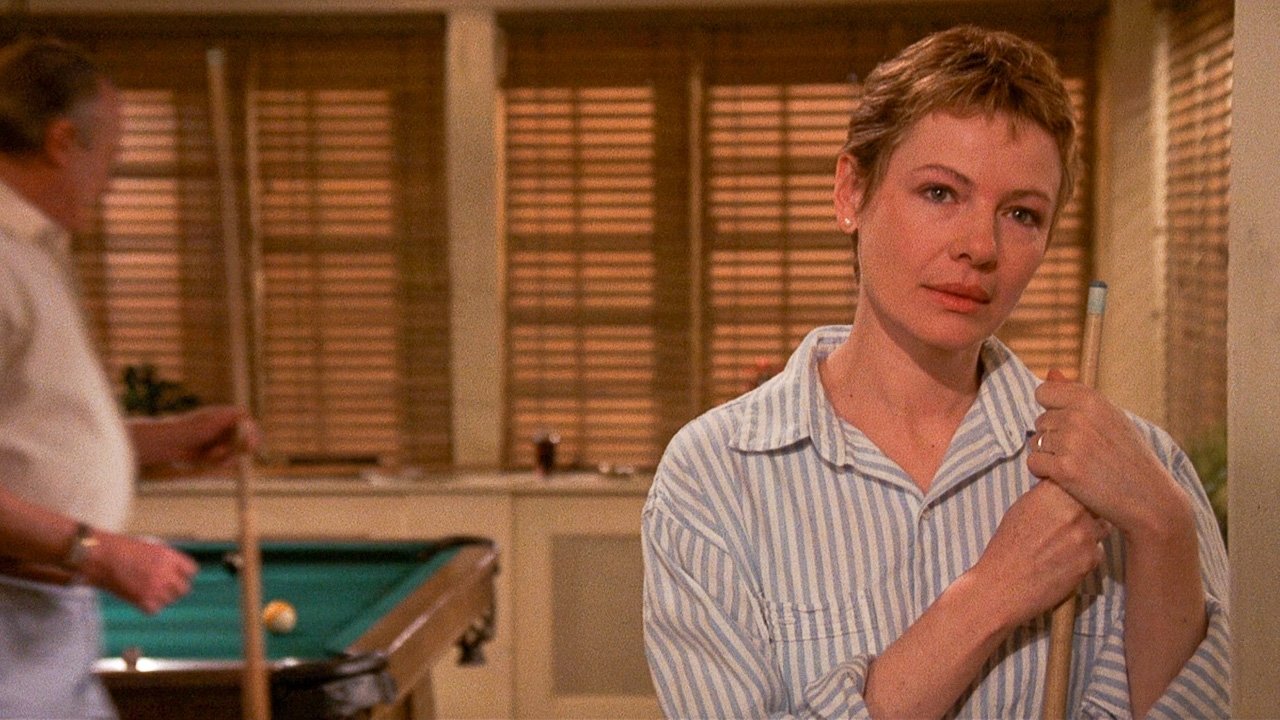
What truly anchors September, especially considering its troubled production, are the performances. Mia Farrow portrays Lane with a fragile vulnerability that feels deeply authentic; her quiet anxieties form the emotional core of the film. Dianne Wiest is equally compelling as Stephanie, wrestling with her loyalty to Lane and her own desires for Peter. Her scenes often crackle with suppressed energy, a stark contrast to Lane's near-paralysis.
But perhaps the film’s most electric presence is Elaine Stritch as Diane. A former screen actress clinging to her glamorous past, Diane is by turns charming, manipulative, and utterly self-absorbed. Stritch, replacing the legendary Maureen O'Sullivan (Farrow's own mother in the original shoot), delivers a performance that's both monstrous and strangely pitiable. Her monologues about her past, delivered with theatrical flair, reveal a profound emptiness beneath the bravado. And Denholm Elliott, as the kindly Howard nursing a secret love for Lane, provides moments of gentle melancholy, a quiet observer often caught in the emotional crossfire. Watching these actors navigate Allen's dialogue-heavy scenes, often filled with pauses and loaded glances, is like watching masters at work, finding the truth in the unsaid as much as the spoken. You understand why Allen might have felt the need to recast until the chemistry felt precisely right for this delicate material.
A Quiet Corner of the Allen Canon
September isn't a film that announces itself loudly. It demands patience and a willingness to sit with uncomfortable emotions. Found on the rental shelves, perhaps nestled between Allen's more celebrated comedies or sprawling dramas like Hannah, it might have felt like an anomaly. Its muted palette, deliberate pacing, and stage-play structure (it feels very much like it could be performed on a single set) stand apart. It lacks the overt stylistic flourishes or laugh-out-loud moments of much of his 80s output. This wasn't the Woody Allen many audiences were looking for in 1987, which likely contributed to its commercial failure.
Yet, there's a unique power in its quiet intensity. It’s a film about the prisons we build for ourselves – prisons of regret, unspoken love, and family history. It doesn’t offer easy resolutions, reflecting perhaps a more difficult truth about human relationships. What lingers isn't a specific plot point, but the pervasive mood – the feeling of summer ending, of opportunities missed, and the quiet ache of loneliness even when surrounded by others.
Rating: 7/10
Justification: While its deliberate pacing and heavy Chekhovian/Bergman influences might feel overly theatrical or even emotionally draining for some, September is anchored by exceptional performances, particularly from Stritch and Wiest. The claustrophobic atmosphere is effectively realized, and the film offers a mature, unflinching look at complex relationships. The fascinating behind-the-scenes story of its complete reshoot adds a layer of intrigue. However, its somber tone and lack of narrative momentum prevent it from reaching the heights of Allen's best work, making it a compelling but ultimately minor entry in his filmography.
Final Thought: A challenging but rewarding watch, September is a potent reminder that sometimes the most significant dramas unfold not in grand gestures, but in the quiet, loaded spaces between words. A true deep cut from the VHS era for those willing to embrace the melancholy.