Another Woman
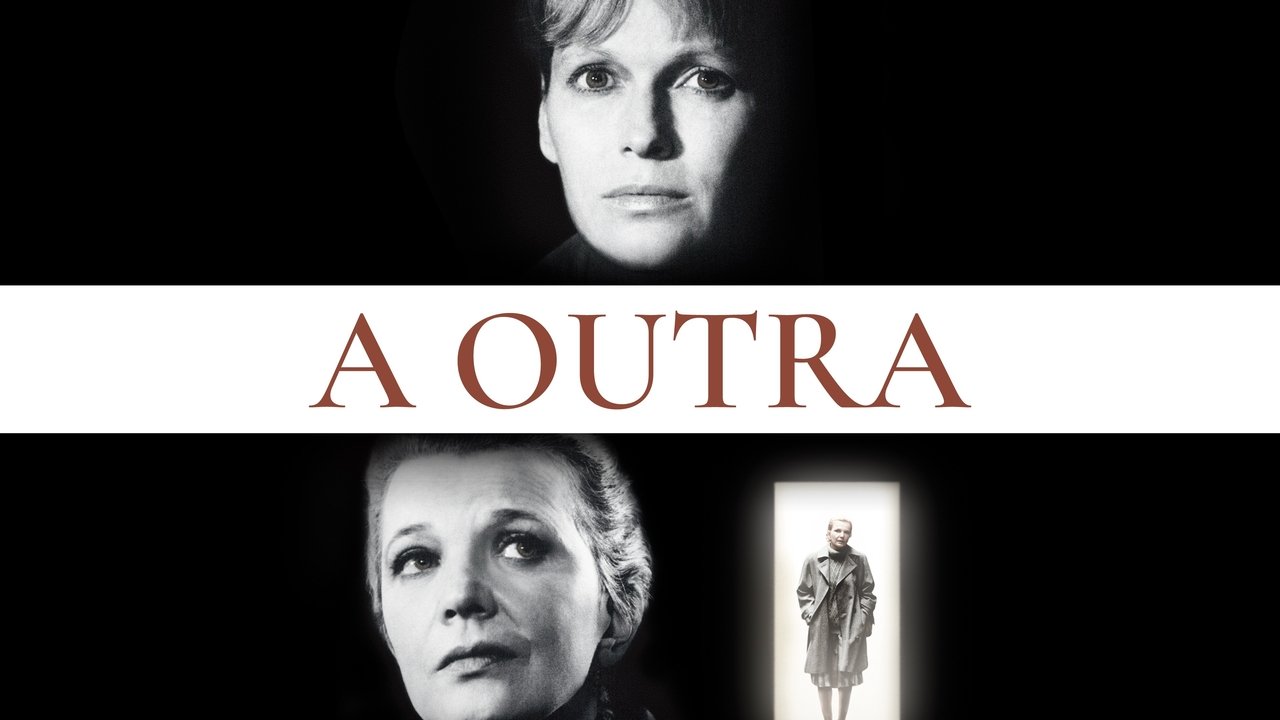
It often starts with a sound, doesn't it? A noise out of place, a voice carrying through a thin wall. For Marion Post, the philosophy professor at the heart of Woody Allen's starkly introspective 1988 drama Another Woman, that sound is the catalyst for an unnerving journey inward. Renting a quiet city apartment to finally buckle down and write her book, she discovers the acoustics are tragically flawed – she can perfectly overhear the therapy sessions conducted next door. It’s a premise that could veer into melodrama or even farce in other hands, but Allen, channeling his well-documented admiration for Ingmar Bergman, uses it as a scalpel to dissect a life meticulously constructed, yet potentially hollow.
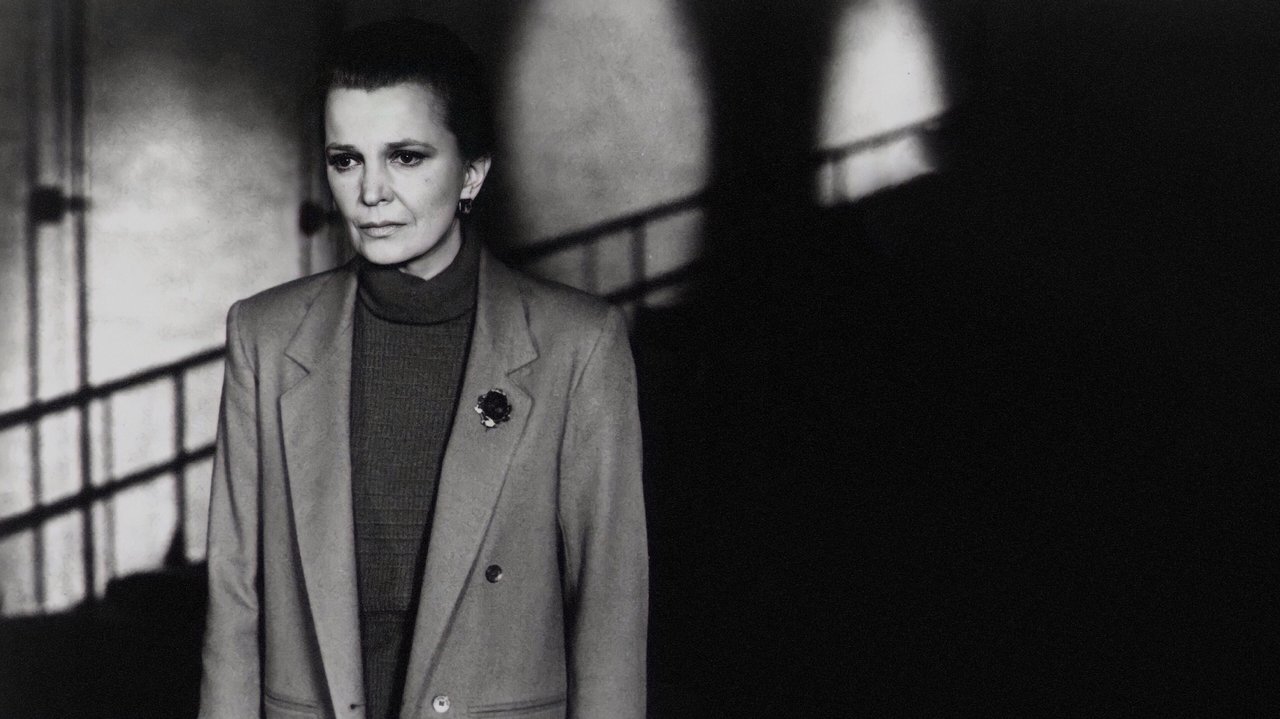
An Uninvited Echo
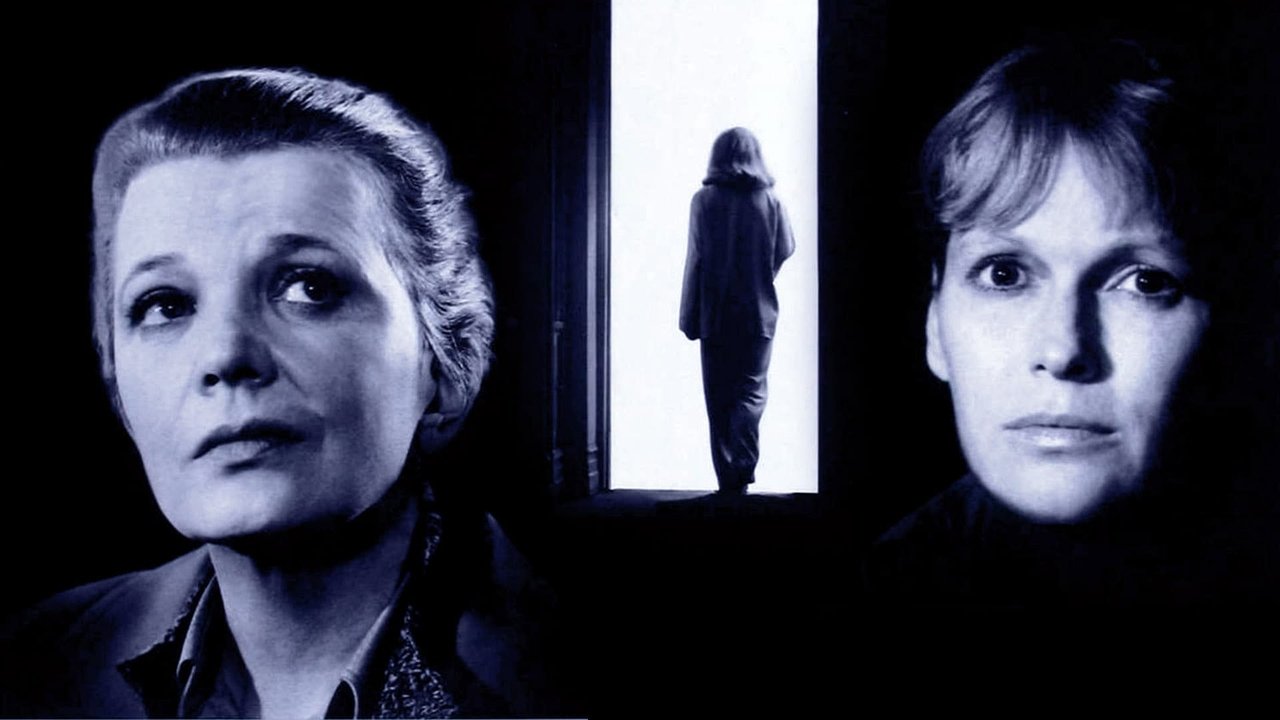
What Marion (played with devastating precision by the legendary Gena Rowlands) overhears isn't just random chatter; it's raw, unfiltered anguish, primarily from a younger woman named Hope (Mia Farrow, in a fragile, affecting turn). Hope’s confessions – fears of emptiness, anxieties about her marriage, a sense of profound drift – strike uncomfortably close to home for Marion, a woman defined by her intellect, control, and a certain emotional reserve that borders on chilly. The film unfolds not through grand events, but through Marion’s reactions to these overheard fragments, triggering flashbacks, unsettling dreams, and difficult reassessments of her own past choices and relationships. I remember renting this back in the day, probably expecting something closer to Allen's comedic fare, and being utterly captivated by its quiet intensity. It felt different, weightier, demanding a stillness that was rare even then.
Rowlands: A Masterclass in Restraint
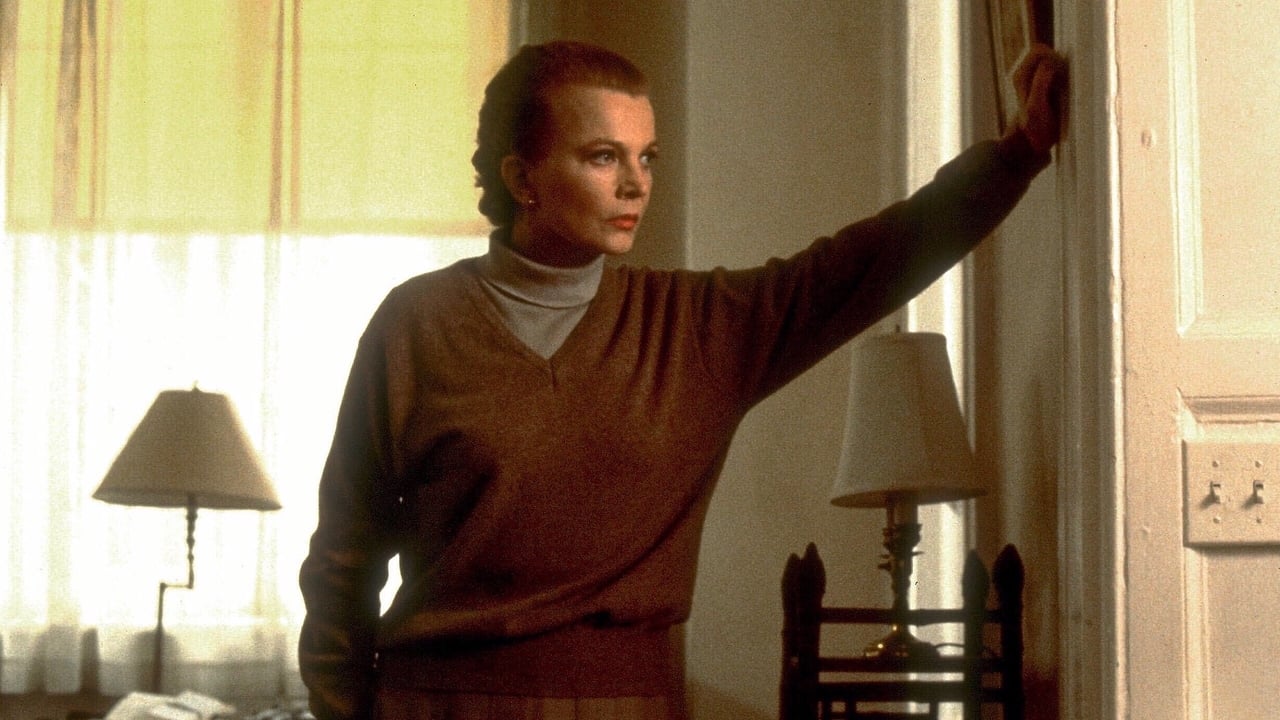
Let's be clear: Another Woman belongs entirely to Gena Rowlands. Known for her incredibly raw, emotionally volcanic performances in films directed by her husband John Cassavetes (like A Woman Under the Influence (1974)), here she delivers something equally powerful but profoundly different. Her Marion is a woman armoured by intellect. Rowlands masterfully conveys the cracks appearing in that armour – a flicker of doubt in her eyes, a subtle tightening of her jaw, the way she carries herself with a certain brittle confidence that begins to erode. We see the cool, analytical professor forced to confront the emotional truths she’s long suppressed. It’s a performance built on nuance, on the unspoken thoughts warring behind a carefully maintained façade. You feel her discomfort, her dawning awareness, and ultimately, her painful vulnerability. It’s acting that trusts the audience to lean in, to observe the micro-shifts that signal a life being re-evaluated.
Whispers of Bergman, Shadows of Nykvist
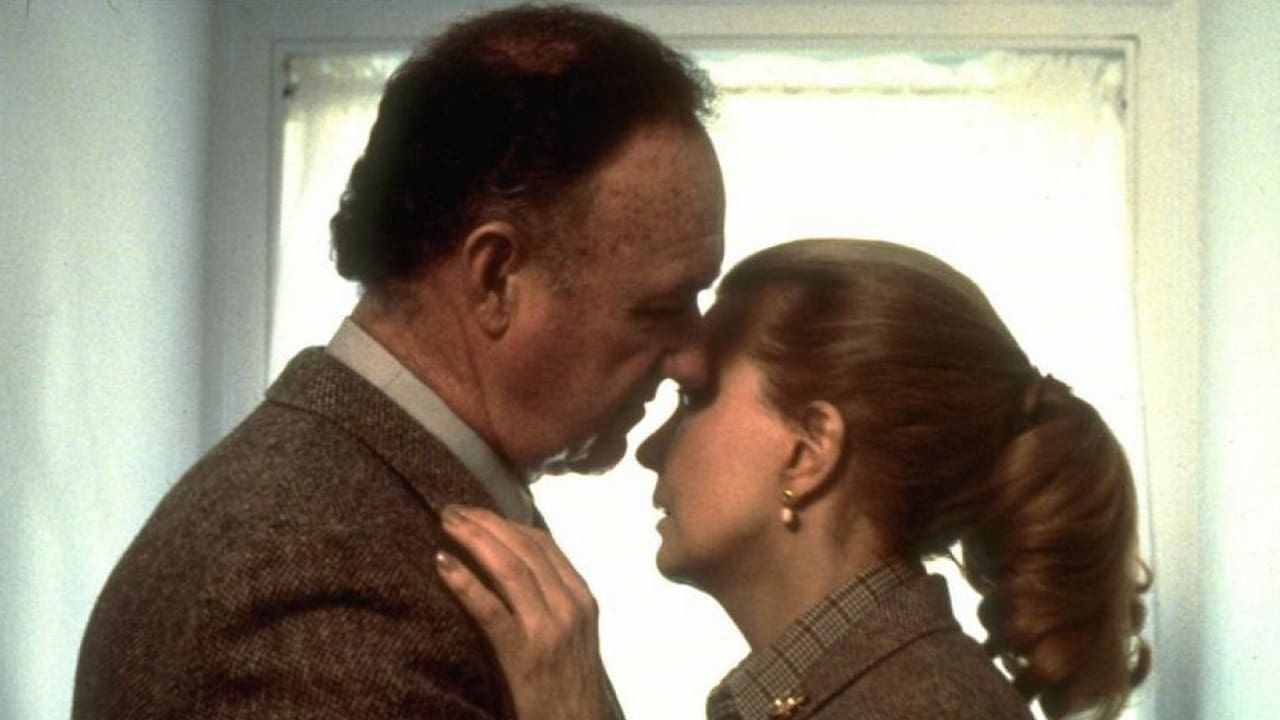
The influence of Ingmar Bergman hangs heavy over the film, particularly Wild Strawberries (1957) with its elderly protagonist reflecting on a life’s worth of memories and regrets. Allen doesn’t shy away from this, even employing Bergman's legendary cinematographer, Sven Nykvist. Nykvist, who won Oscars for Bergman's Cries and Whispers (1972) and Fanny and Alexander (1982), paints Marion’s world in muted, autumnal tones. The cinematography isn't flashy; it’s observant, claustrophobic at times in that apartment, reflecting Marion’s own contained existence. It's fascinating to note that Allen, often known for his more freewheeling style, crafted a very precise, controlled atmosphere here, perhaps mirroring Marion's own personality. The supporting cast, including Ian Holm as Marion’s somewhat detached second husband Ken, and brief but vital appearances by Gene Hackman as a significant figure from her past, all orbit Rowlands, their interactions serving as mirrors reflecting different facets of her choices and personality. The film’s deliberately measured pace, sometimes criticized at the time, feels essential now – it mirrors the slow, often painful process of genuine self-discovery. It reportedly earned only around $1.5 million at the box office, a quiet film even in its commercial reception, but one whose resonance endures.
The Unlived Life
What truly elevates Another Woman beyond a simple character study is its exploration of regret and the "what ifs" that haunt us. Through Marion's memories and encounters – with her estranged friend (Sandy Dennis), her brother (Harris Yulin), and figures from her youth – the film asks profound questions. What happens when the life you’ve meticulously built doesn’t feel like your own? How much do we curate our own memories to fit the narrative we want to believe? Marion is forced to confront paths not taken, feelings ignored, and the possibility that her intellectual detachment has starved her emotional life. There’s a piercing moment involving a Rainer Maria Rilke poem that encapsulates the film’s central theme – the idea of recognizing beauty and truth too late. It avoids easy answers, suggesting that self-awareness is a difficult, sometimes painful, but ultimately necessary awakening.
A Quiet Corner in VHS Heaven
Watching Another Woman again after all these years, perhaps on a worn-out tape dug out from the back of the shelf, feels like revisiting a quiet, profound conversation. It lacks the explosions or laugh tracks of many 80s staples, offering instead a mature, unflinching look at a woman confronting the ghosts of her own choices. Rowlands' performance is the anchor, a towering achievement in subtle expression that draws you completely into Marion’s inner world. The film doesn't offer easy catharsis, but rather the quiet ache of understanding.
Rating: 8/10
The score reflects the film's powerful central performance, its thematic depth, and its masterful, if understated, direction and cinematography. While its deliberate pacing and introspective nature might not appeal to everyone seeking typical 80s escapism, its profound exploration of regret and self-discovery, anchored by Gena Rowlands at her finest, is undeniable. It's a film that doesn't shout, but whispers truths that linger long after the screen goes dark.
What does it mean to truly hear oneself, even if it takes the echo of another's pain to finally listen? Another Woman leaves you pondering just that.