Turné
There's a certain kind of VHS tape you might have stumbled upon, tucked away in the weirder corners of the rental store, its cover art hinting at something... unusual. Not slick Hollywood fare, but something homespun, maybe a little unsettling, definitely different. Håkan Alexandersson and Carl Johan De Geer's 1990 film Turné feels exactly like finding one of those enigmatic tapes, a portal into a distinctly Swedish brand of melancholy absurdity that lingers long after the VCR sputters to a halt.
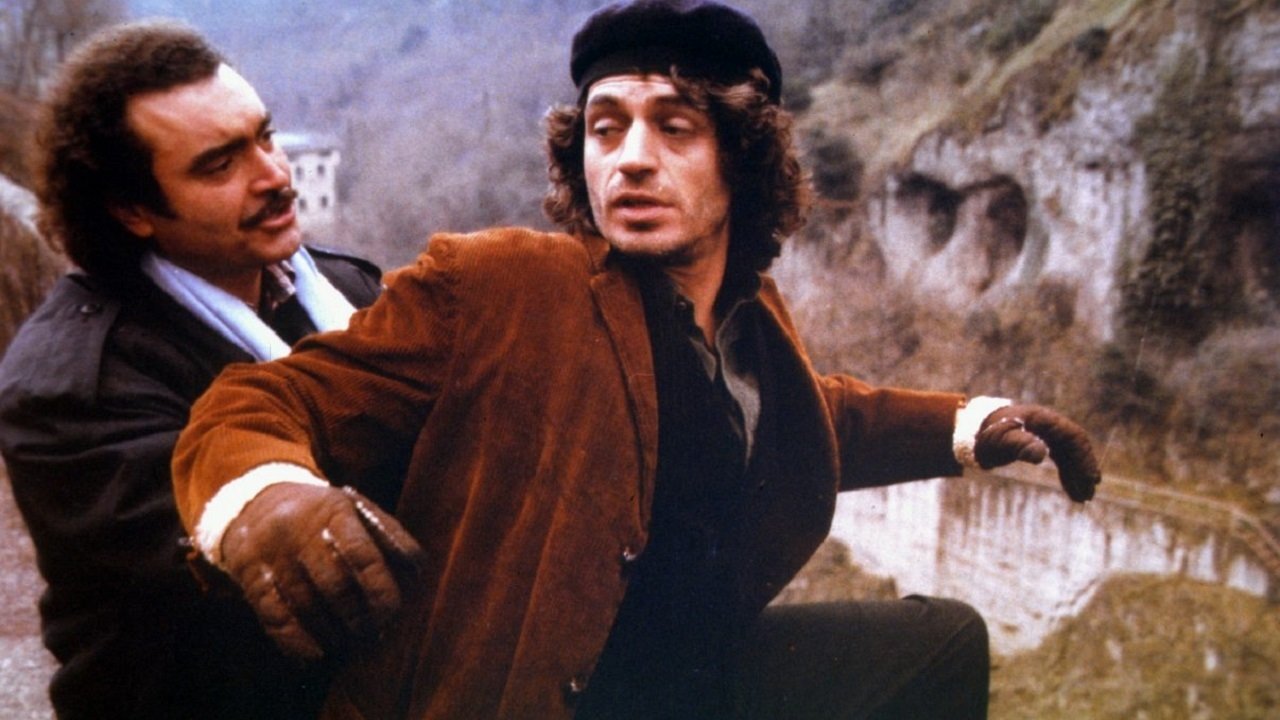
On the Road to Nowhere, Beautifully
Turné (Swedish for "Tour") ostensibly follows a small, shambolic troupe on a performance journey. But like much of the collaborative work between Alexandersson (directing and co-writing) and De Geer (co-writing, designing, and starring), the plot is less a destination than a meandering path through peculiar encounters and existential awkwardness. We're reunited with familiar faces – or perhaps character archetypes – often embodied by De Geer himself and the uniquely expressive Krister Broberg. Their dynamic, honed over years in projects like the bizarre children's show Tårtan (1973) and the noir parody Privatdetektiven Kant (1983), is central here: a mix of mutual dependence, gentle antagonism, and shared bewilderment at the world they inhabit. Add the reliable presence of Hans Bendrik, another frequent player in their strange universe, and you have the core of this oddball ensemble.
The Alexandersson & De Geer Aesthetic
To appreciate Turné, one has to understand the singular world its creators built. Emerging from Sweden's progressive art and music scenes, their films often feel like filmed performance art pieces, blending DIY resourcefulness with a sophisticated, often satirical, eye. De Geer, a prominent artist and designer, imbues their work with a distinctive visual identity – sets might look deliberately threadbare, costumes slightly 'off', the colours perhaps unnaturally vivid or deliberately drab. This wasn't slick filmmaking aiming for realism; it was a conscious aesthetic choice. There's a fascinating tension in their work between the almost childlike absurdity of the situations and the undercurrent of adult weariness, a commentary perhaps on the struggles of artistic expression or the quiet desperation of everyday life. You get the sense they wrung creative magic from limited resources, a common necessity in the less commercial strata of filmmaking back then, turning constraints into stylistic signatures.
A Symphony of Awkwardness
The performances in Turné are key to its strange charm. Don't expect Method intensity; this is more about embodying states of being. Carl Johan De Geer often plays variations on a theme: the slightly pompous but ultimately vulnerable figure, grappling with forces beyond his comprehension. Krister Broberg is his perfect foil, often portraying characters brimming with a kind of manic energy that constantly threatens to collapse into despair. Their interactions feel less like scripted dialogue and more like improvised jazz riffs on themes of failure, hope, and the sheer oddity of human interaction. The atmosphere they conjure is unique – a blend of deadpan comedy, surreal non-sequiturs, and a pervasive, hard-to-pinpoint sadness. It’s the kind of film where a character might stare blankly into the middle distance for an uncomfortably long time, and somehow, it feels profound.
Echoes in the Static
Watching Turné today on a format far removed from its original context (likely 16mm film or perhaps broadcast video, then transferred to VHS), the low-fi visuals become part of the experience. The slightly grainy image, the sometimes-unpredictable sound mix – it enhances the feeling of watching something esoteric, a broadcast intercepted from another dimension. It forces you to lean in, to adjust your expectations away from polished narrative and towards appreciating mood, texture, and the peculiar rhythm of its scenes. What does the journey signify? Is it a critique of the emptiness of performance, or a celebration of sticking with it against all odds? The film doesn't offer easy answers, which is perhaps its most enduring quality. Doesn't the ambiguity sometimes resonate more deeply than a neatly tied-up conclusion?
This isn't a film for everyone. Its pace is deliberate, its humour bone-dry, and its narrative purposefully fractured. Yet, for those with a taste for the unconventional, for the cinematic roads less travelled, Turné offers a unique and strangely moving experience. It’s a testament to a singular artistic vision, operating entirely on its own terms. Finding this tape felt like uncovering a secret, a strange little melody playing just out of earshot of the mainstream.
Rating: 7/10 This score reflects the film's success within its own specific, unconventional goals. It's a well-crafted piece of absurdist art cinema from a unique creative partnership, visually distinct and tonally consistent. Its low-budget aesthetic is part of its identity, not necessarily a flaw, and the performances perfectly capture the intended mood. It loses points for sheer accessibility – its deliberate strangeness and slow pace will undoubtedly alienate many viewers – but for fans of European cult cinema or the Alexandersson/De Geer niche, it's a fascinating and rewarding watch.
Turné remains a curious artifact, a reminder that the VHS era wasn't just blockbusters, but also a haven for idiosyncratic visions that challenged, bemused, and ultimately enriched the cinematic landscape. It's a quiet detour worth taking, if you know where to find the map.
You Might Also Enjoy
A Zed & Two Noughts
1985
An Impudent Girl
1985
Cocoon
1985
Desperately Seeking Susan
1985
Detective
1985
Fandango
1985
Heaven Help Us
1985
Lost in America
1985
My Beautiful Laundrette
1985
My Friends Act III
1985
My Life as a Dog
1985
My Sweet Little Village
1985
The Breakfast Club
1985
The Mass Is Ended
1985