Career Girls
Okay, pull up a comfy chair, maybe pour yourself something nice. Let's talk about a film that might have slipped past you amidst the bigger noise of the late 90s, but one that lingers long after the tape stops whirring. I'm thinking about Mike Leigh's Career Girls from 1997, a film built not on spectacle, but on the intricate, often messy, architecture of human connection.
Echoes in Shared Rooms
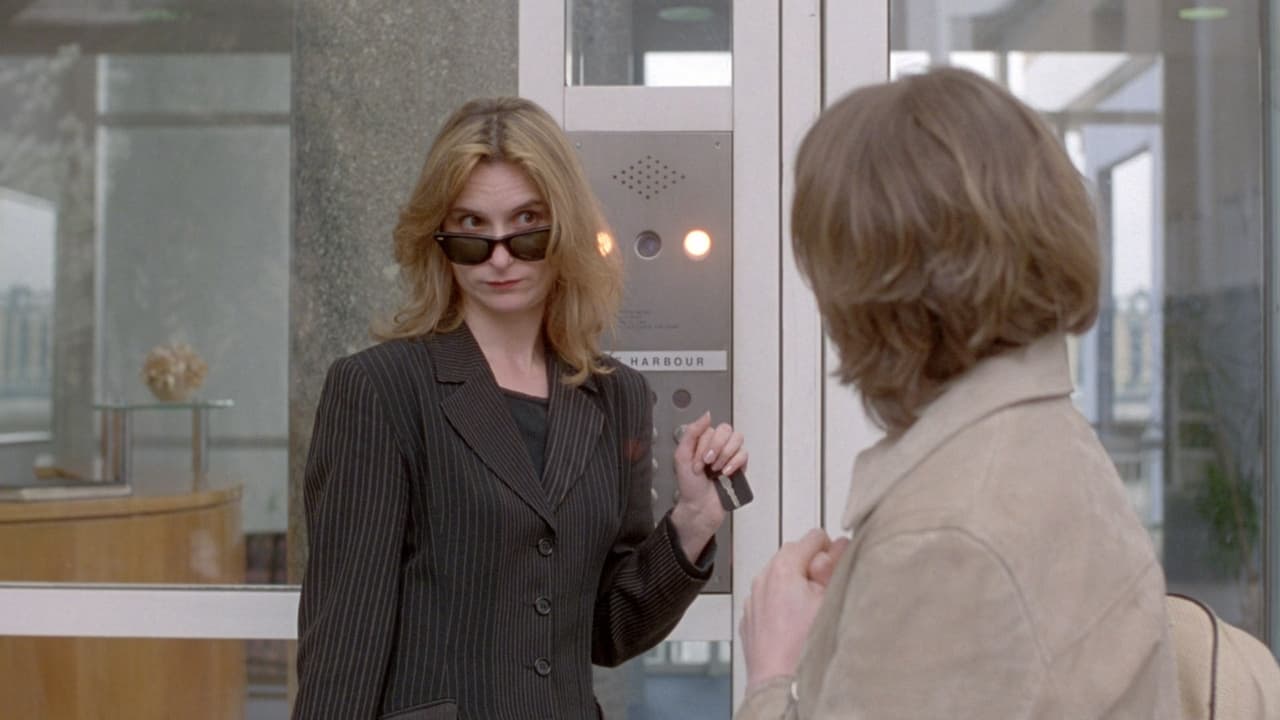
What truly sets a Mike Leigh film apart, and Career Girls is a prime example, is the almost unsettling authenticity he achieves. Forget meticulously scripted dialogue; Leigh famously spends months workshopping with his actors, building characters from the ground up through intensive improvisation. The result isn't actors reciting lines; it's people existing on screen. Here, we meet Hannah (Katrin Cartlidge) and Annie (Lynda Steadman) as they reunite in London for a weekend, six years after sharing a chaotic student flat. They navigate Hannah's apartment, revisit old haunts, and bump into figures from their past, triggering a cascade of flashbacks to their younger, dramatically different selves.
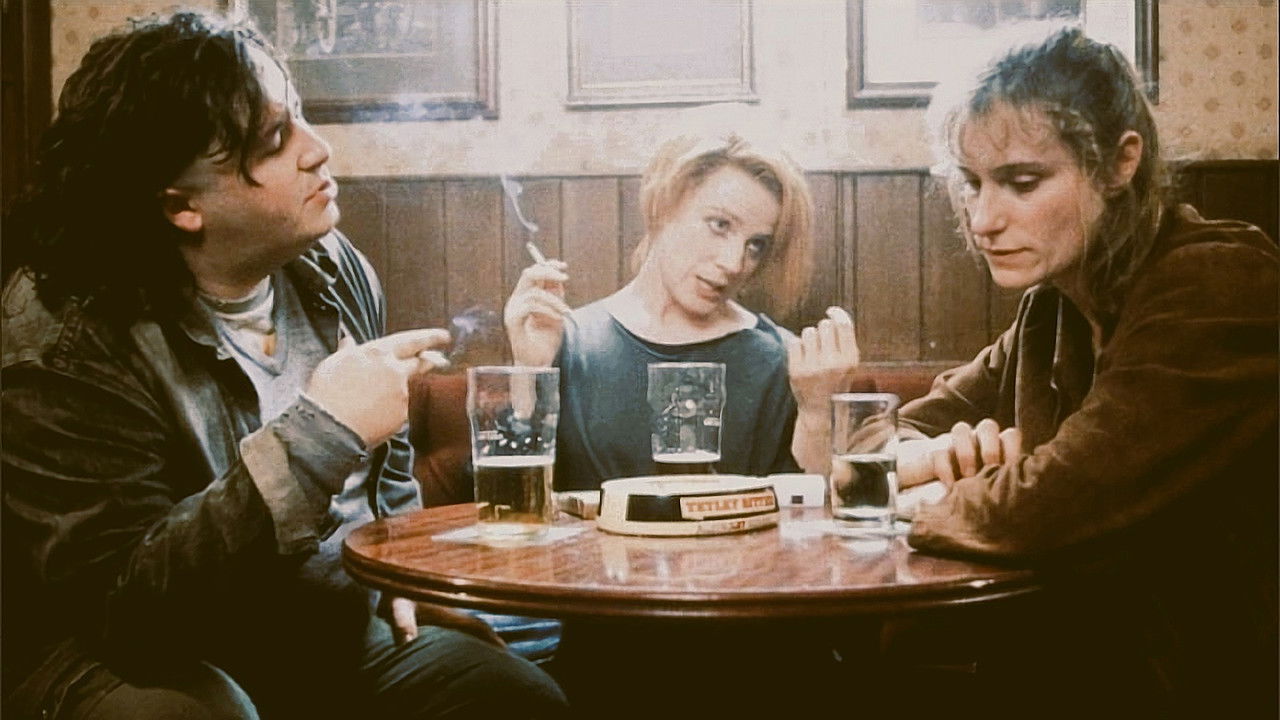
It’s this structure – the seamless drift between their polished (or perhaps just more brittle) present and their messy, insecure past – that forms the film’s soul. We see the seeds of their current anxieties sown in those university days. Hannah, now seemingly confident and sharp-tongued, was a whirlwind of nervous energy, her Goth-adjacent style a shield. Annie, plagued by a severe facial skin condition and crippling shyness back then, now presents a calmer, more reserved exterior, though the old wounds clearly remain just beneath the surface.
The Power of Presence
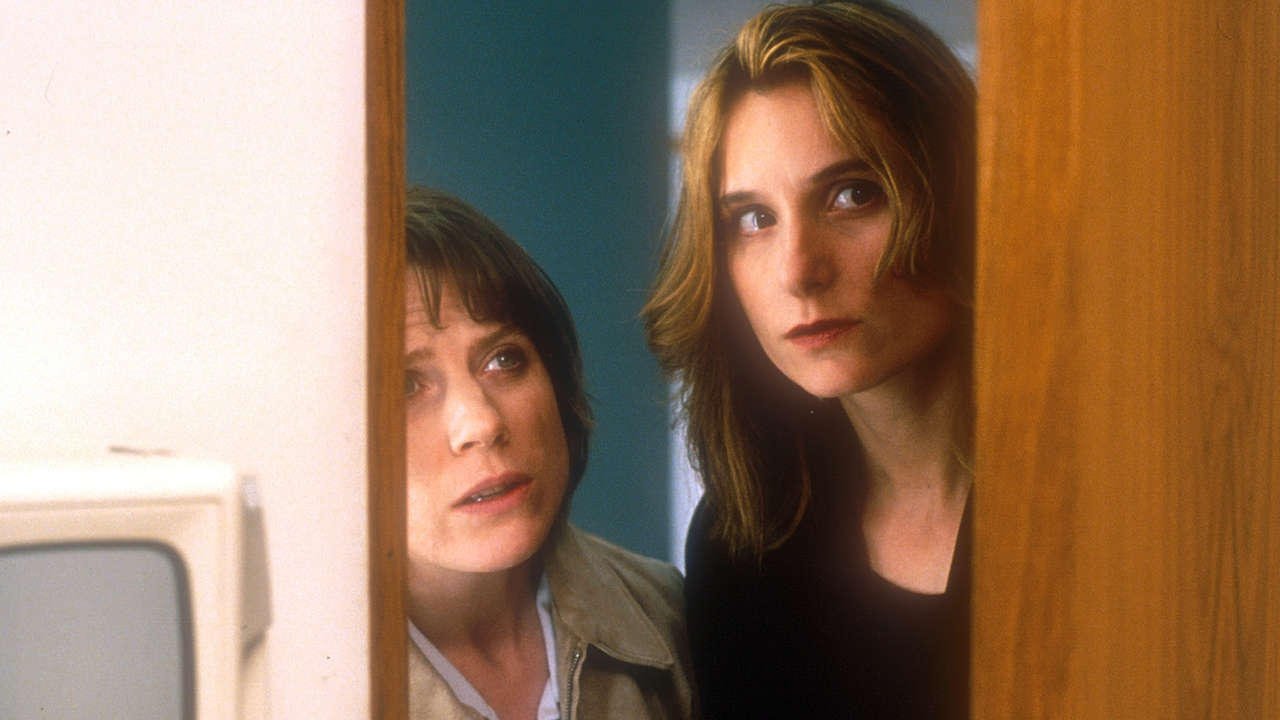
The film rests almost entirely on the shoulders of Katrin Cartlidge and Lynda Steadman, and their performances are nothing short of remarkable. Cartlidge, who sadly left us far too soon, is electrifying as Hannah. She captures the character's frantic intelligence, her barely concealed vulnerabilities, and the lingering defensiveness that defined her youth and subtly shapes her present. Her physicality, the nervous tics, the rapid-fire speech patterns – it all feels utterly lived-in. I remember seeing her previously in Leigh's raw masterpiece Naked (1993), and the transformation here, while different in tone, shows that same fearless commitment.
Lynda Steadman as Annie is the perfect counterpoint. Her portrayal of profound insecurity, particularly in the flashback scenes dealing with her eczema, is heart-wrenching without ever tipping into melodrama. You feel the weight of her self-consciousness, the quiet desperation for connection hidden behind her averted gaze. The way she and Cartlidge recapture their old rhythms, the shared jokes, the shorthand communication – it’s the kind of chemistry that feels earned, rooted in the shared history Leigh and the actors painstakingly constructed. It’s a testament to their work, and Leigh’s unique method, that we believe utterly in their bond, both past and present.
More Than Just Nostalgia
While watching Career Girls today certainly evokes a specific kind of 90s nostalgia – the slightly grungy London backdrops, the pre-internet feel of their interactions – its power goes deeper. This isn't just about remembering student days; it's about confronting who we were and how that shapes who we become. How do those intense early friendships mould us? What happens when we revisit the people who knew us before we built up our adult personas? Leigh doesn’t offer easy answers. The reunion isn't purely joyful; it’s awkward, poignant, sometimes uncomfortable, but undeniably real.
It’s fascinating to know that Leigh crafted this intimate character study after the international success of Secrets & Lies (1996). Instead of scaling up, he scaled in, focusing intensely on just two central figures. Shot relatively quickly and on a modest budget (reportedly around £1.5 million, or roughly $2 million USD at the time), the film’s constraints likely reinforced its focus on performance and character dynamics over elaborate production. Every penny feels like it went towards capturing emotional truth. The slightly grainy, naturalistic look, perfectly suited for a well-loved VHS tape viewed on a CRT, enhances this intimacy.
The Weight of Memory
What resonates most, perhaps, is the film’s exploration of memory itself – not as a perfect recording, but as a shifting, subjective landscape revisited through the lens of the present. The encounters with figures from their past, like their unstable former flatmate Ricky (Mark Benton) or the awkward Adrian (Joe Tucker), trigger not just recollections, but re-evaluations. Are their memories accurate? How have their perspectives changed? Doesn't this echo how we all process our own histories, revisiting moments with new understanding, or perhaps, new regrets?
Career Girls isn't a film with a driving plot in the conventional sense. It’s a mood piece, an observational study, a quiet exploration of the enduring, sometimes difficult, ties that bind. It demands patience, asking the viewer to simply sit with these women, to listen to their conversations, both spoken and unspoken.
Rating: 8/10
This score reflects the film's exceptional performances and the profound emotional honesty achieved through Mike Leigh's unique directorial approach. It's a masterclass in character study, capturing the nuances of long-term friendship and the confrontation with one's past self with aching authenticity. It loses a couple of points perhaps only because its deliberately measured pace and intense focus on character might not connect with viewers seeking more traditional narrative drive. But for those willing to invest, the payoff is immense.
It's a film that reminds us that sometimes the most significant journeys aren't across continents, but across the years, revisiting the people who knew us when. A quiet gem well worth digging out of the metaphorical video store shelf.