Clouds of May
There's a peculiar intimacy in watching Nuri Bilge Ceylan's Clouds of May (1999), a feeling that deepens when you realise the filmmaker, Muzaffer, struggling to capture life in his rural Turkish hometown, is played by Ceylan’s cousin, Muzaffer Özdemir, and the elderly parents he attempts to direct are Ceylan’s actual mother and father, Fatma and Emin Ceylan. This isn't just casting; it's a blurring of lines between documentary and fiction, autobiography and observation, that lends the film an authenticity so profound it feels less watched and more absorbed. It’s the kind of quiet, contemplative film that might have sat patiently on the 'World Cinema' shelf of a particularly well-stocked video store back in the day, a stark contrast to the bombast often dominating the New Releases wall, yet offering a richness that lingers long after the tape hiss fades.
Where Time Moves Differently
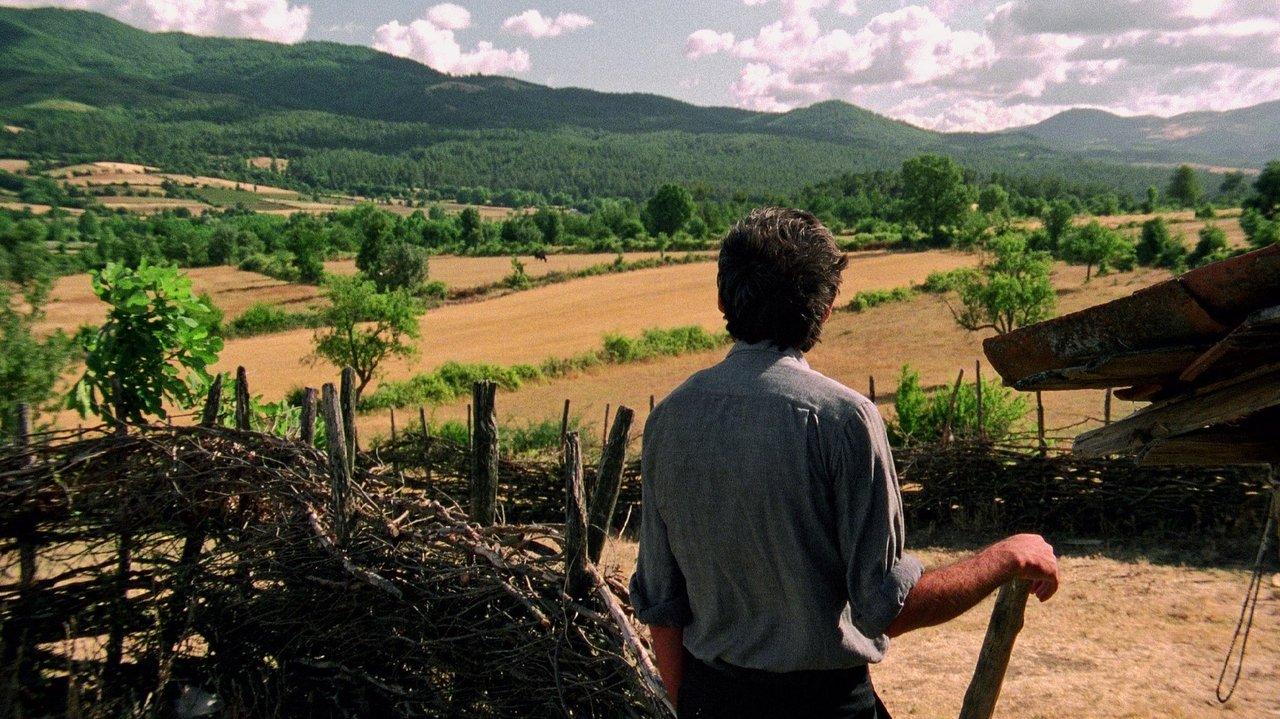
Ceylan transports us to Yenice, his own ancestral town, a place rendered with breathtaking visual poetry. Forget flashy edits or rapid-fire dialogue; Clouds of May operates on a different rhythm entirely. The camera lingers on the subtle play of light across rolling hills, the patient work of hands in the fields, the textures of weathered wood and worried faces. Ceylan, who also wrote the screenplay, captures the languor of village life, the Mayıs Sıkıntısı (literally "May Boredom" or "May Malaise," a more evocative title than the English translation) where days stretch out, marked by seasons and small, persistent concerns. The film unfolds with a deliberate pace that mirrors the environment it depicts, demanding a patience from the viewer that ultimately rewards with immersion. You feel the sun, smell the earth, sense the weight of unspoken histories.
A Film Within a Film, A Life Within a Life
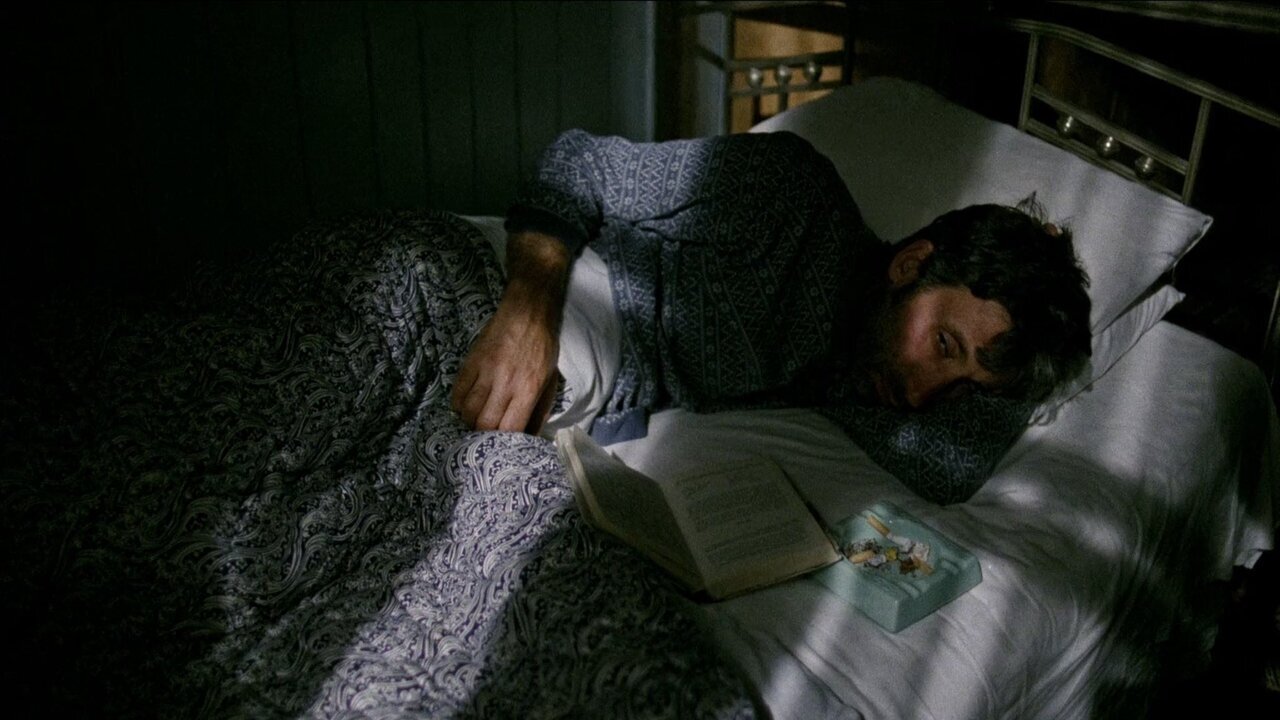
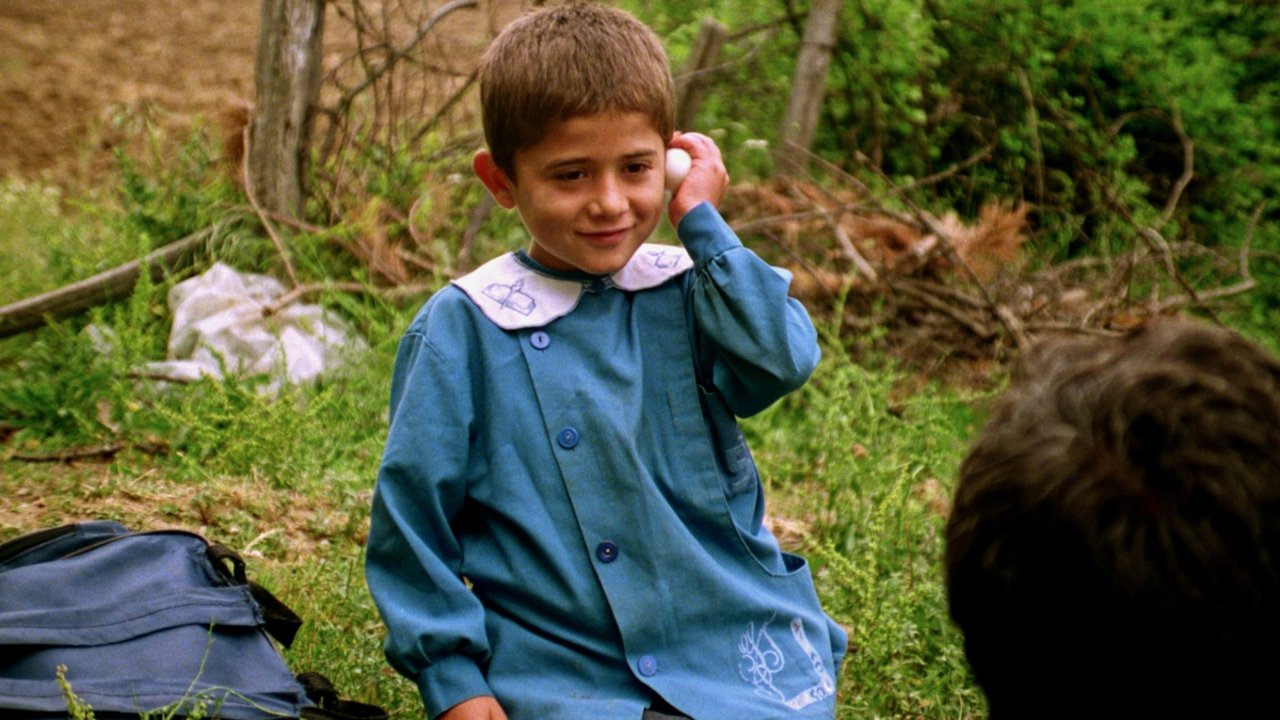
The central narrative thread follows Muzaffer (Özdemir) as he attempts to make his own film, essentially recreating scenes and experiences Ceylan himself had while making his debut feature, Kasaba (The Town, 1997), also starring his family. This meta-cinematic layer adds a fascinating complexity. We watch Muzaffer cajole his reluctant father, Emin, into performing scenes, battling his practical concerns about saving his patch of forest from government seizure. We see him struggle with his young cousin Ali’s simple desire to keep a cherished egg safe, a task that becomes comically complicated amidst the filmmaking efforts. These aren’t manufactured plot points; they feel like genuine slices of life, the mundane frustrations and small joys that make up our days, amplified by the slightly absurd presence of a film crew. It’s a gentle exploration of the friction between artistic ambition and the pull of familial duty, between the desire to capture life and the simple act of living it.
Performances Beyond Acting
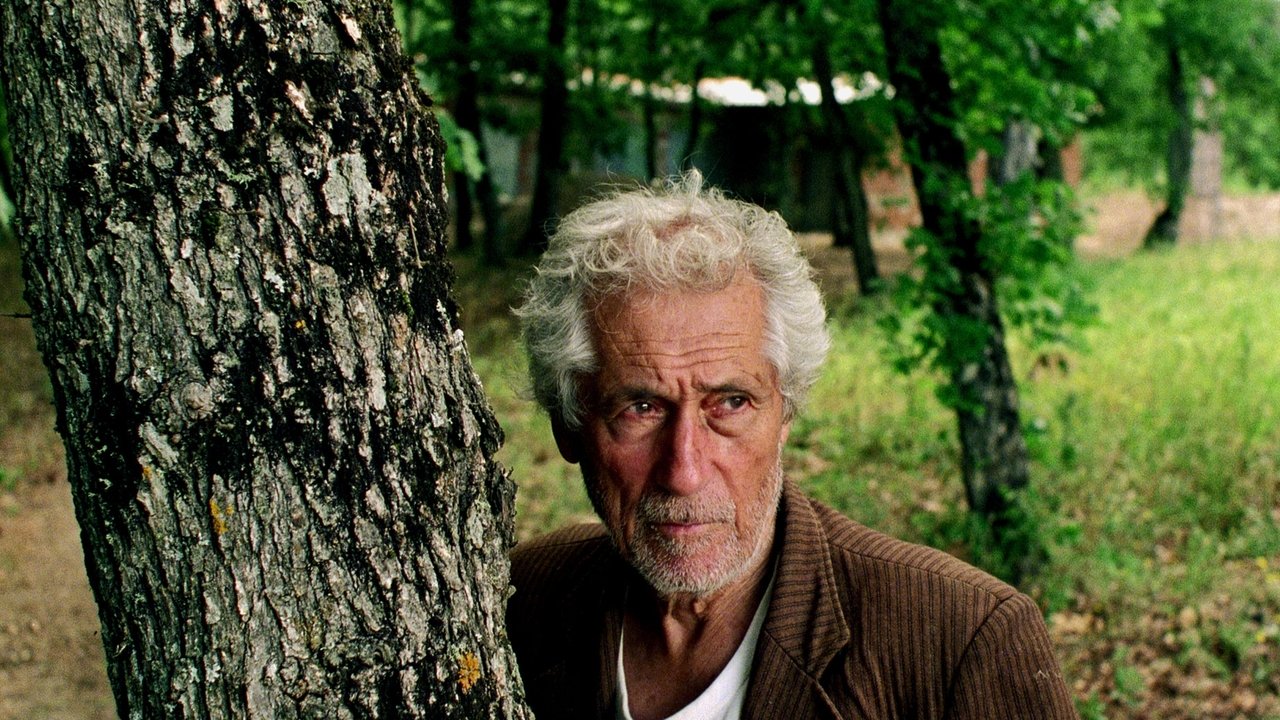
To speak of "performances" feels almost inadequate here. Emin Ceylan, as Muzaffer’s father, is unforgettable. His stoicism, his quiet dignity mixed with palpable anxiety over his land, feels utterly real because, in many ways, it likely was. His interactions with his son (both the character Muzaffer and, implicitly, the director Nuri Bilge) are imbued with a lifetime of shared history. There’s a scene where he meticulously explains the workings of a poplar tree – it’s not exposition, it’s a man sharing knowledge deeply ingrained in him. Similarly, Fatma Ceylan radiates a quiet warmth and resilience as the mother, her presence grounding the film. And Muzaffer Özdemir, who would tragically pass away after winning Best Actor at Cannes for Ceylan’s later masterpiece Uzak (Distant, 2002), brings a perfect blend of weariness, determination, and subtle observational humor to the filmmaker role. His portrayal feels less like acting and more like being – a man caught between two worlds, navigating the delicate ecosystem of his family and his art.
The Quiet Power of Observation
Clouds of May isn't driven by dramatic plot twists but by accumulated moments, nuanced observations about human nature and the passage of time. How does ambition change our relationship with our roots? What responsibilities do we owe to family versus our own creative impulses? The film doesn't offer easy answers but lets these questions hang in the air, much like the titular clouds drifting across the Anatolian sky. It captures that specific melancholy of returning home as an adult, seeing familiar landscapes and faces through a different lens, aware of the changes in them and in oneself. This wasn't a film designed for massive box office returns (its budget was modest, relying heavily on naturalism and Ceylan's resourcefulness), but its impact resonated on the festival circuit, signalling the arrival of a major voice in international cinema.
A Contemplative Gem from the End of an Era
Finding Clouds of May on VHS likely felt like unearthing a hidden treasure. It stands apart from the typical action, horror, or comedy fare that defined so much of the 80s and 90s rental experience. It demands more from the viewer – attention, patience, a willingness to engage with ambiguity. Yet, the reward is a deeply felt cinematic experience, visually stunning and emotionally resonant in its quietude. It’s a reminder that powerful storytelling doesn’t always need explosions or overt drama; sometimes, the most profound truths are found in the spaces between words, in the gentle rhythm of everyday life captured with honesty and artistry.
Rating: 9/10
This rating reflects the film's masterful execution of its aims: stunning cinematography, deeply authentic performances that blur fiction and reality, and a poignant, meditative exploration of family, place, and artistic endeavour. It’s a near-perfect example of Ceylan's early style, lacking perhaps only the narrative tightness of his later work but compensating with raw, heartfelt honesty.
Clouds of May lingers not with loud bangs, but with quiet echoes – the image of an old man protecting his trees, the determined gaze of a filmmaker, the vastness of a landscape holding generations of stories. It’s a film that reminds us of the beauty in the ordinary and the complex ties that bind us to home.
You Might Also Enjoy
The Small Town
1997
A Chinese Torture Chamber Story
1994
A Simple Twist of Fate
1994
Barcelona
1994
Being Human
1994
Chungking Express
1994
Crooklyn
1994
Dear Goddamned Friends
1994
Don Juan DeMarco
1994
Eat Drink Man Woman
1994
Ed Wood
1994
Even Cowgirls Get the Blues
1994
Forrest Gump
1994
Four Weddings and a Funeral
1994