The Small Town
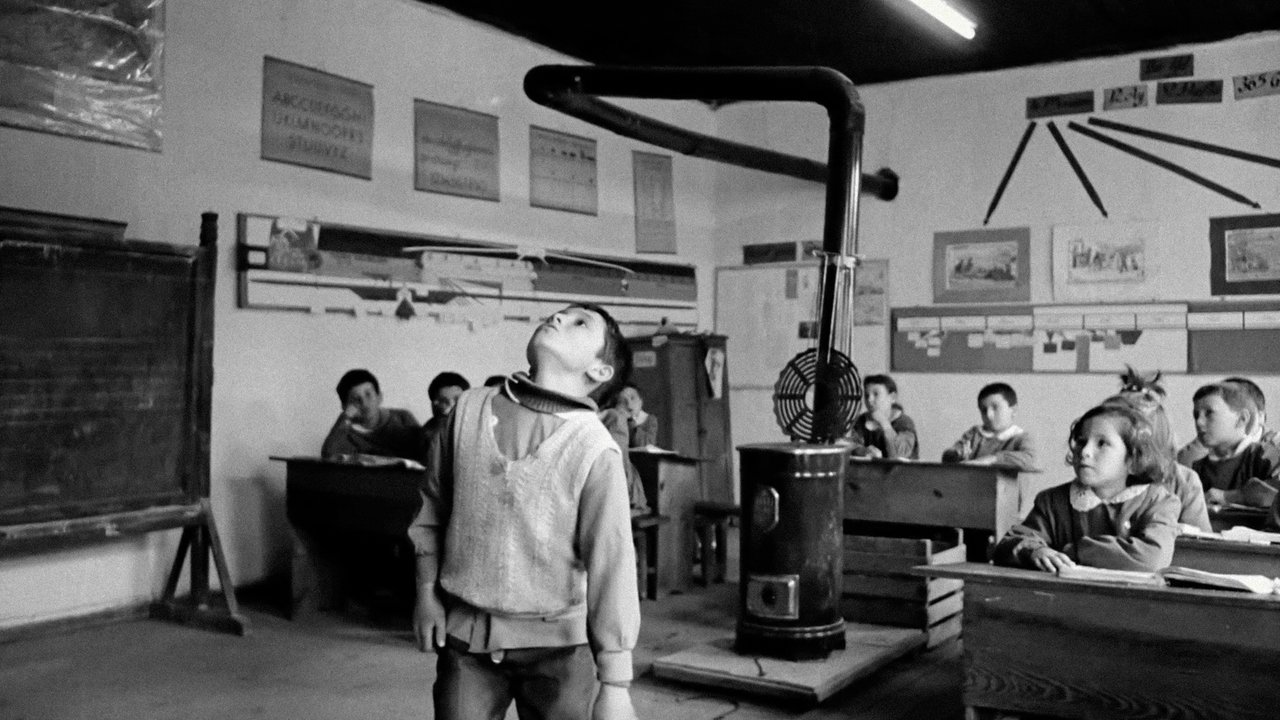
A classroom, hushed save for the scratching of chalk and the distant howl of the wind across a snow-dusted landscape. It’s an image – simple, stark, yet deeply resonant – that lingers long after Nuri Bilge Ceylan's debut feature, The Small Town (Turkish: Kasaba), fades from the screen. Released in 1997, this wasn't the kind of film you'd typically find blaring from the 'New Releases' wall at Blockbuster. No, Kasaba was more likely discovered tucked away in the 'Foreign Films' section, its unassuming spine promising something quieter, perhaps something more challenging. And for those of us who took the chance, popping that tape into the VCR felt like uncovering a hidden piece of cinematic poetry.
An Anatolian Winter's Tale
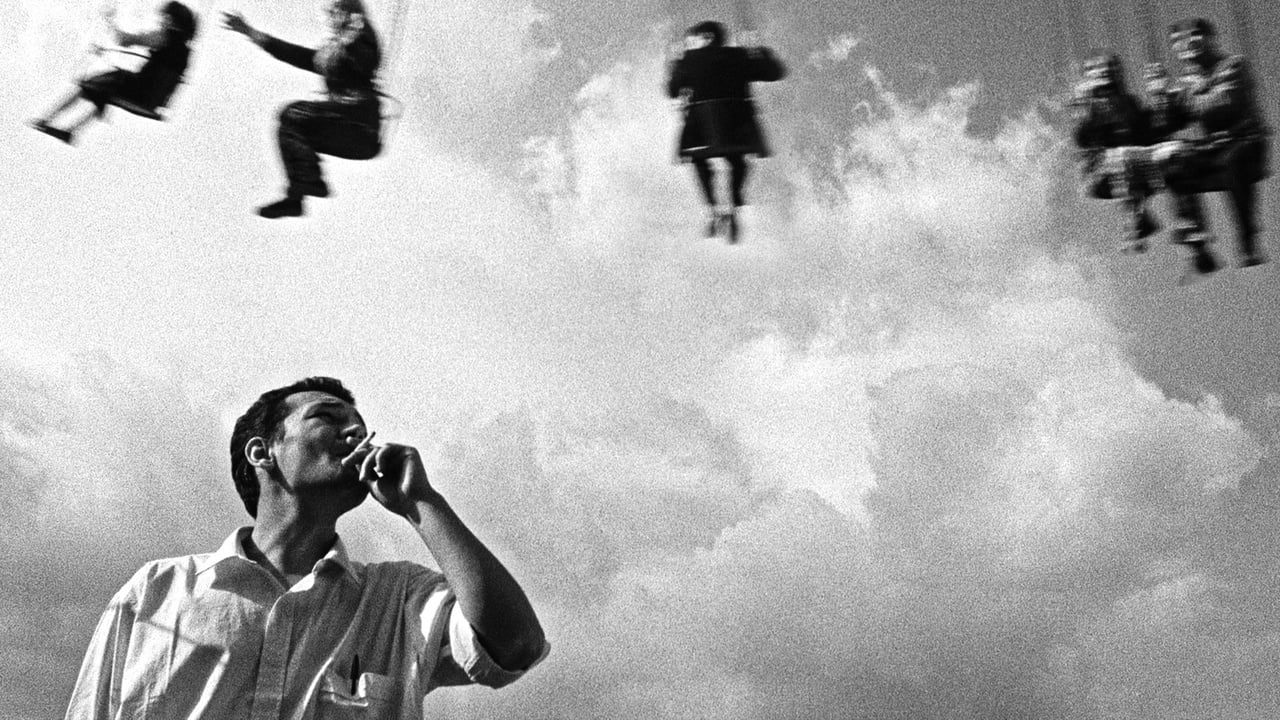
The film doesn't rely on intricate plotting. Instead, it offers a patient, observant gaze into the lives of a family in a small, remote Turkish town over the course of four seasons, primarily focusing on a single winter day through the eyes of two children, Asiye and Ali. We follow them to school, eavesdrop on the weary conversations of the adults around them, and witness the subtle rhythms of life far removed from the clamor of the modern world. It's a film built on atmosphere, on the weight of unspoken histories, and the quiet endurance of its characters against a backdrop that feels both beautiful and isolating. The snow isn't just decoration; it muffles sound, emphasizes the cold, and seems to slow time itself, drawing you into the contemplative pace Ceylan masterfully establishes even in this early work.
Whispers of Generations
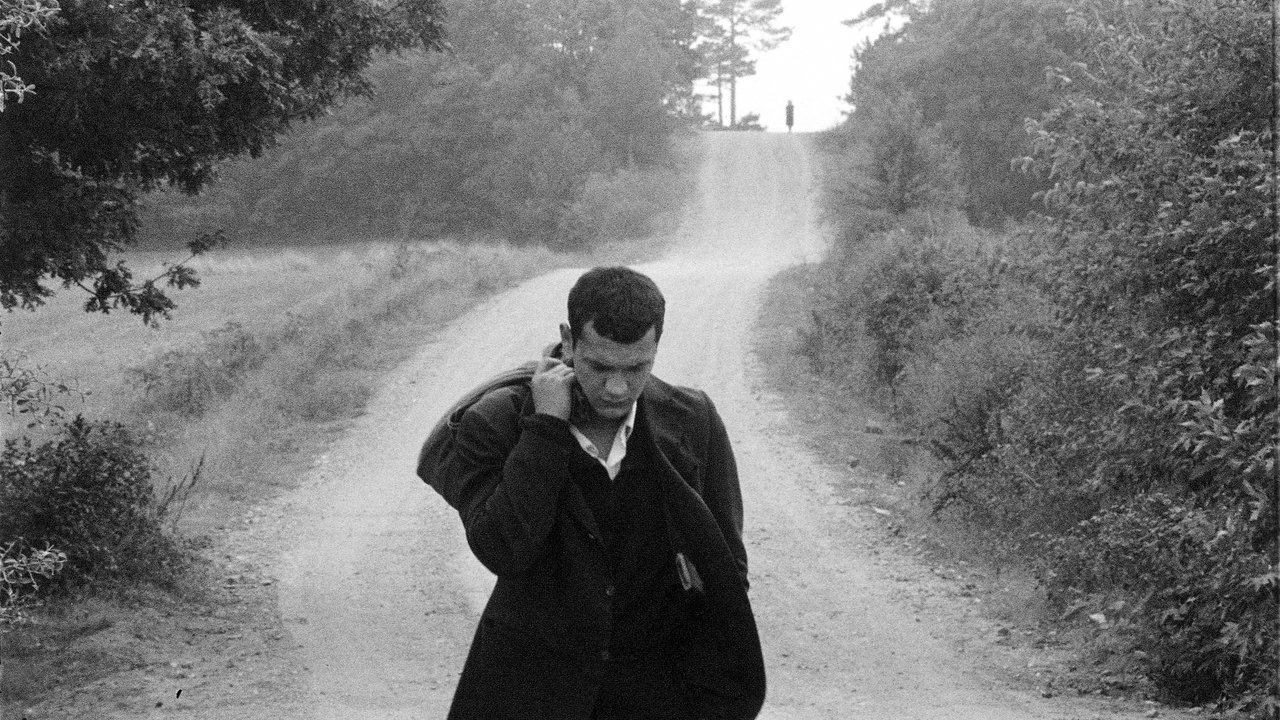
Through the children's observations, we piece together fragments of the adult world – anxieties about work, reflections on the past, the complex dynamics between family members. There’s a palpable sense of lives lived within the confines of tradition and circumstance. The conversations around the fire, the shared meals, the silences – they all speak volumes. Ceylan, who also co-wrote the screenplay with his sister Emin Ceylan, captures the way generational patterns echo, the way the hopes and disappointments of parents subtly shape the horizons of their children. What does it mean to stay, or to leave? Is continuity a comfort or a cage? The film doesn't offer easy answers, preferring to let these questions hang in the cold, crisp air.
The Honesty of Unadorned Performance
One of the most striking aspects of The Small Town is its remarkable authenticity, stemming largely from Ceylan's decision to cast members of his own family and locals from the region where he grew up. His parents play the grandparents, and his young cousin, Mehmet Emin Toprak, plays Saffet, one of the pivotal adult figures. Havva Saglam and Cihat Bütün embody the children, Asiye and Ali, with a naturalism that feels less like acting and more like simply being. There's no manufactured sentimentality; their interactions, their boredom, their moments of quiet wonder feel utterly genuine. Toprak, who would collaborate again with Ceylan on Clouds of May (1999) and the Palme d'Or nominated Uzak (2002) before his tragic death in a car accident, possesses a quiet intensity here, hinting at the talent that was blossoming. This use of non-professional actors wasn't just a budgetary necessity – Ceylan reportedly financed much of the film himself after struggling to find backers – it became integral to the film's texture and truthfulness.
Seeds of a Master's Style
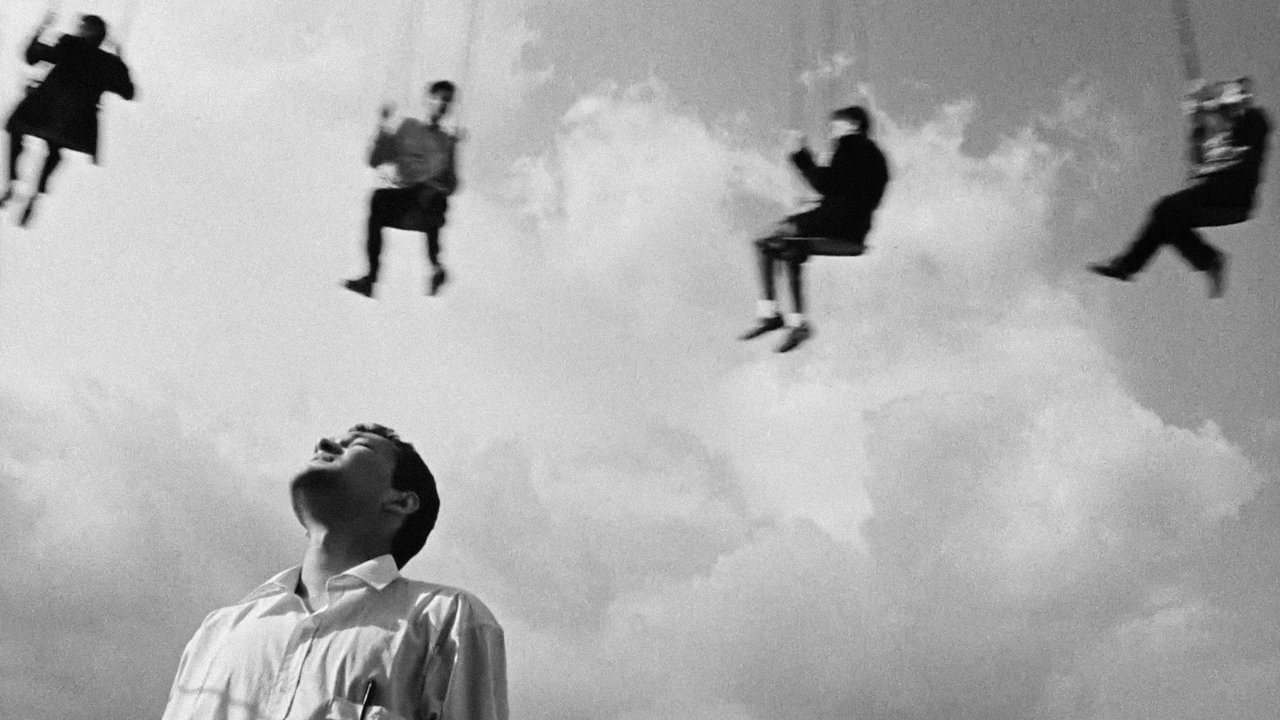
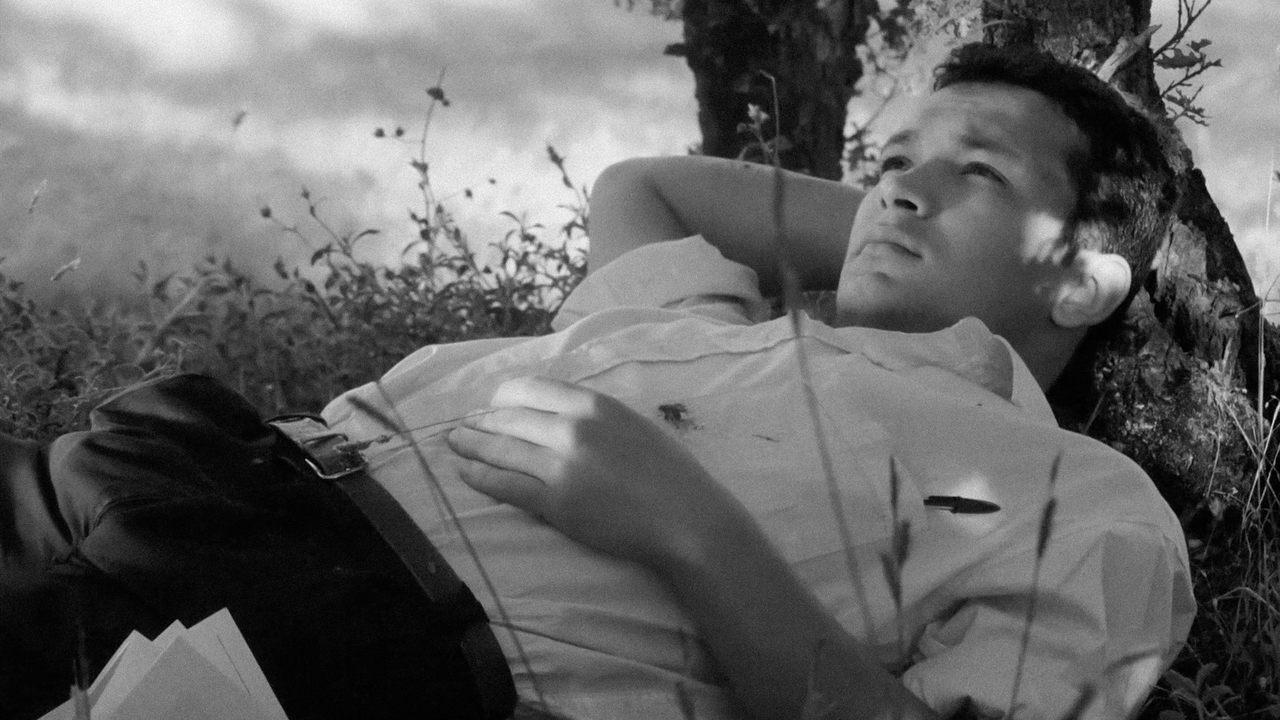
Shot in stark, beautiful black and white, The Small Town showcases the nascent visual language that would define Nuri Bilge Ceylan's later, internationally acclaimed work (like Winter Sleep (2014) or Once Upon a Time in Anatolia (2011)). The long takes, the carefully composed frames that often dwarf the human figures against the vast landscape, the focus on faces weathered by time and hardship – it's all here. You can see the photographer's eye Ceylan possessed, finding profound beauty in the mundane and the melancholic. It’s a deliberately paced film, demanding patience, but rewarding it with moments of quiet revelation. Watching it now, perhaps even digging out an old CRT TV to recapture some of that original grainy intimacy, feels like witnessing the birth of a significant cinematic voice. It’s a far cry from the high-octane thrills often associated with 90s cinema, offering instead a deep, meditative experience.
A Discovery Worth Making
The Small Town might not have been a mainstream VHS hit, but finding it felt like a victory for the dedicated video store browser. It represented the potential hidden on those shelves – films that transported you not through explosions or car chases, but through empathy and quiet observation. It was a reminder that cinema could be deeply personal, crafted with passion and minimal resources, yet capable of profound emotional resonance. It’s the kind of film that might have initially seemed slow or uneventful compared to its contemporaries, but its images and atmosphere burrow deep, staying with you long after the tape clicked off.
Rating: 8/10
This rating reflects the film's significant artistic merit, its stunning B&W cinematography, and the powerful authenticity Ceylan achieves, particularly given the constraints of his debut feature. The deliberate pacing and minimalist narrative might not appeal to all viewers, especially those seeking faster entertainment, which keeps it from a higher score in a general context. However, for those who appreciate slow cinema, visual poetry, and deeply felt human portraits, The Small Town is a remarkable and rewarding experience that clearly justifies this score through its craft and emotional depth.
It leaves you contemplating the landscapes of childhood, both internal and external, and the quiet ways places and people shape who we become. A true gem discovered off the beaten path.